




Going green with access control: environmental benefits of facial biometric technology

In recent years, more and more people have become concerned about the impact of human activities on the environment. As a result, there has been a growing trend towards using more sustainable materials and technologies. This trend might be surprisingly evident in access control systems, where many organizations are moving away from traditional proximity (prox) cards towards facial recognition technologies.

Proximity cards are typically made from Polyvinyl Chloride (PVC), a plastic material widely used in various applications due to its durability, flexibility, and low cost. However, PVC is also a material that is particularly harmful to the environment. PVC production creates a lot of pollution, and the material itself is difficult to recycle, meaning that most PVC products end up in landfills, which can take hundreds of years to decompose. In addition, proximity cards are often single-use items, which means that they are discarded and replaced regularly, further contributing to the environmental impact.
Moreover, the process of issuing and distributing prox cards can also create logistical challenges and inefficiencies. Cards may be lost or misplaced, which can lead to delays and additional costs for the organization. Direct mail and shipping, which are often used to distribute cards, can also contribute to fuel consumption and carbon emissions, as packages are transported over long distances to reach their intended recipients.
Facial biometrics technology, on the other hand, offers a more sustainable solution. Using biometric data to identify individuals eliminates the need for physical cards, which eliminates the need for PVC and other plastic materials. Facial biometric devices are also typically more durable and longer-lasting than prox cards, so they do not need to be replaced as frequently. Additionally, facial biometric systems can be integrated with existing security infrastructure, which means they can be easily retrofitted into existing access control systems, once again reducing waste and creating efficiencies.
Facial biometrics technology can also offer advantages in terms of security and safety in the access control environment. Facial biometrics systems provide more accurate and reliable identification of individuals, which can be particularly important in high-security environments, such as data centers, government buildings, airports, and other sensitive locations. Unlike the cards, a person cannot share or lose their face.

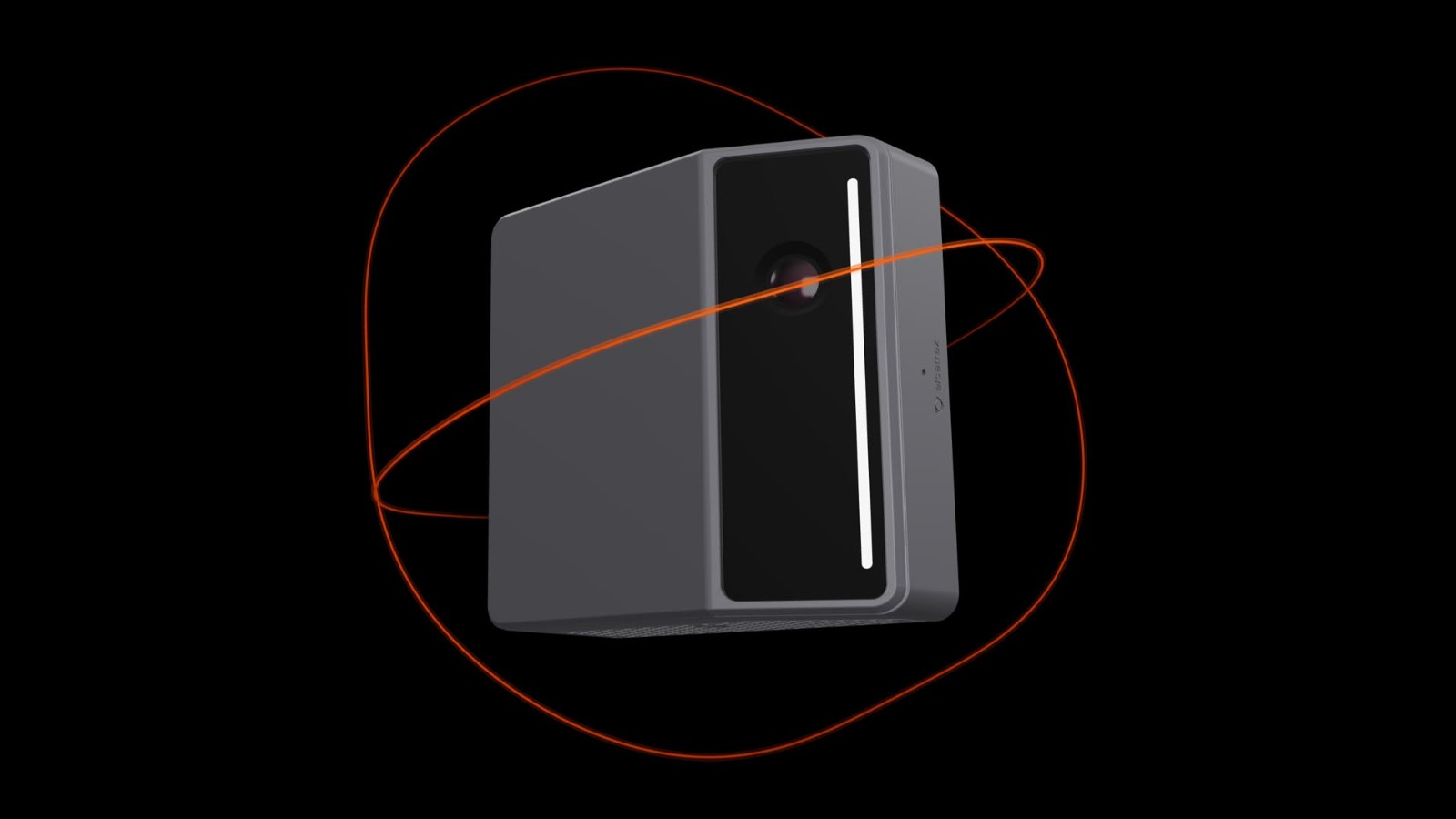
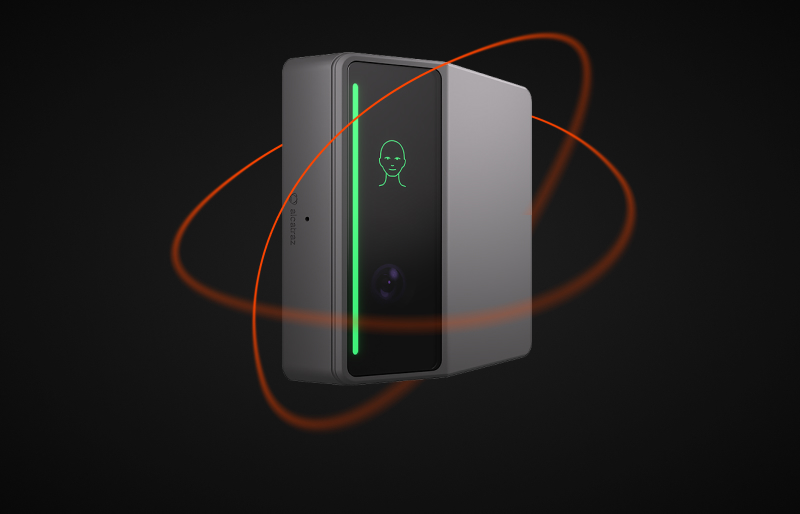
Alcatraz AI eliminates the need for proximity cards made of PVC and other plastic materials. By switching to facial authentication, companies can benefit from a more durable and long-lasting solution that has a significantly reduced impact on the environment and improves the organization's security posture.
By reducing our reliance on PVC and other plastic materials, we can positively impact the environment. Switching to facial authentication technology means minimizing the need to produce and consume prox cards, which is essential to create a more sustainable future. Alcatraz AI provides an innovative solution that streamlines access control processes and reduces our carbon footprint. Making environmentally conscious decisions like this is a crucial step towards a more sustainable future.
At Alcatraz AI, we are committed to providing innovative solutions that streamline access control processes while reducing our carbon footprint. Learn more about how our facial biometric technology can help you create a more sustainable future for your organization.