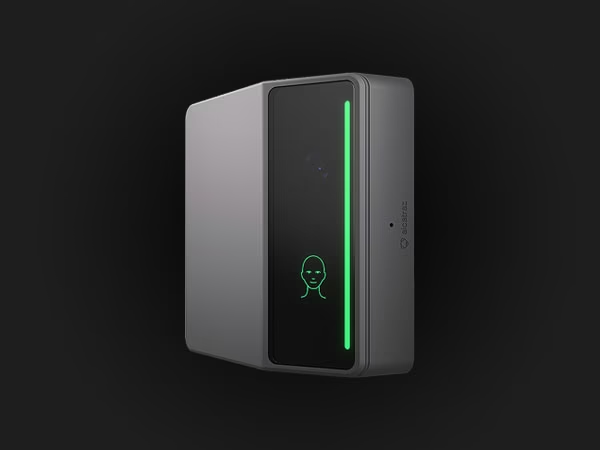



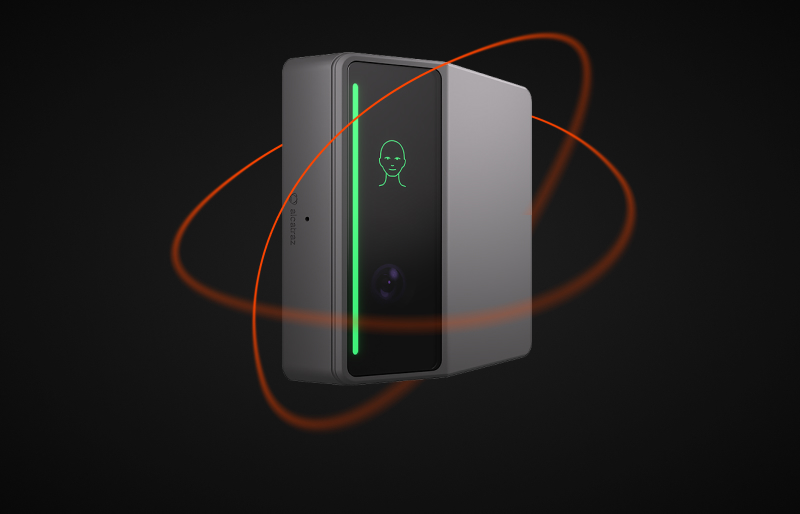


Single-factor authentication for any access point
Single-factor authentication for physical access from Alcatraz replaces the badge entirely. Your face becomes the only credential you need, with nothing to lose, share, or leave behind.
Badges were never built to prove who you are
A badge only proves possession, not identity. It can be borrowed, cloned, or left behind, and every lost or replaced badge is another card to manage. With Alcatraz, your face is your credential, verified live at every door.

How standalone facial authentication works for physical access
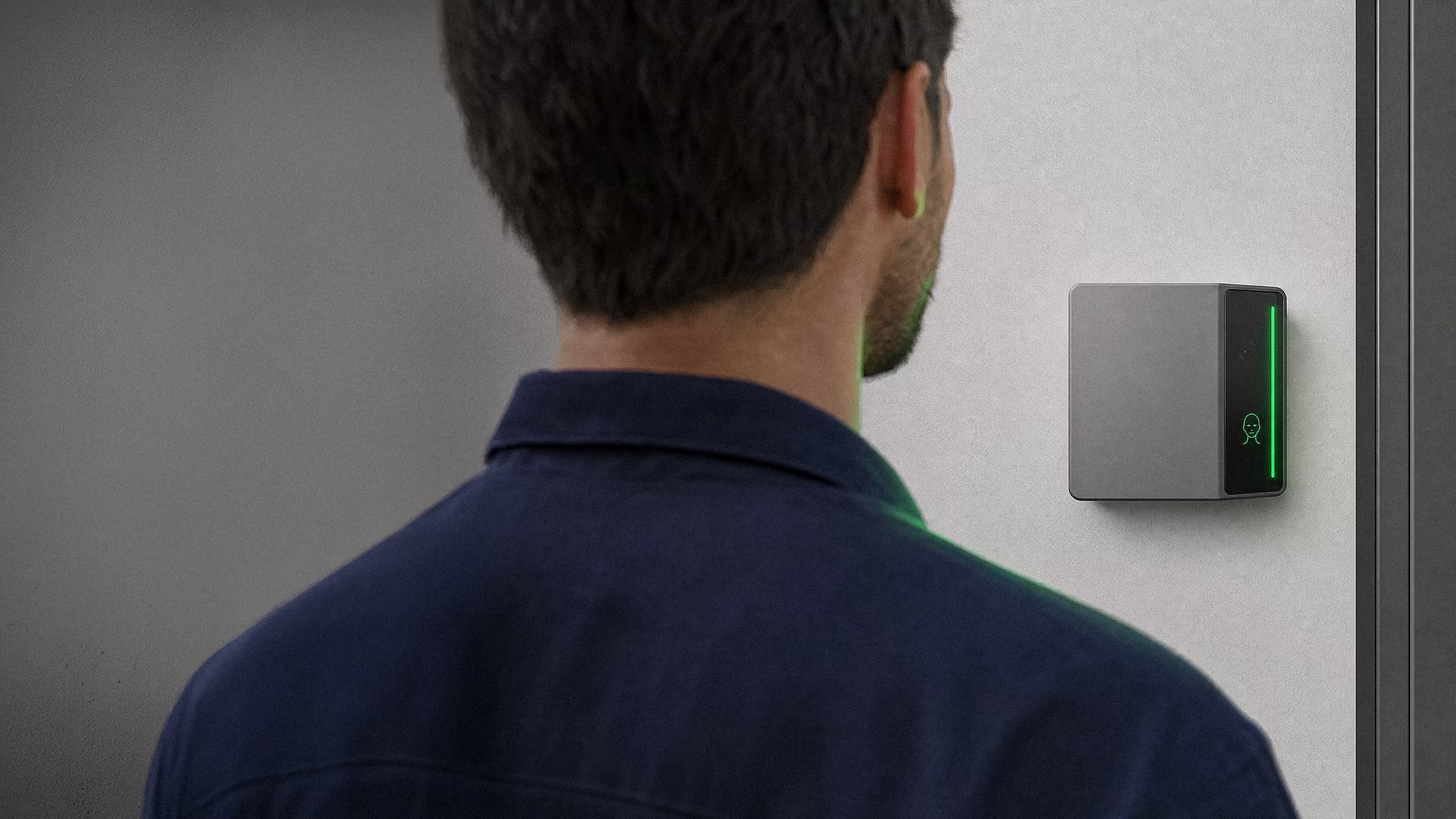
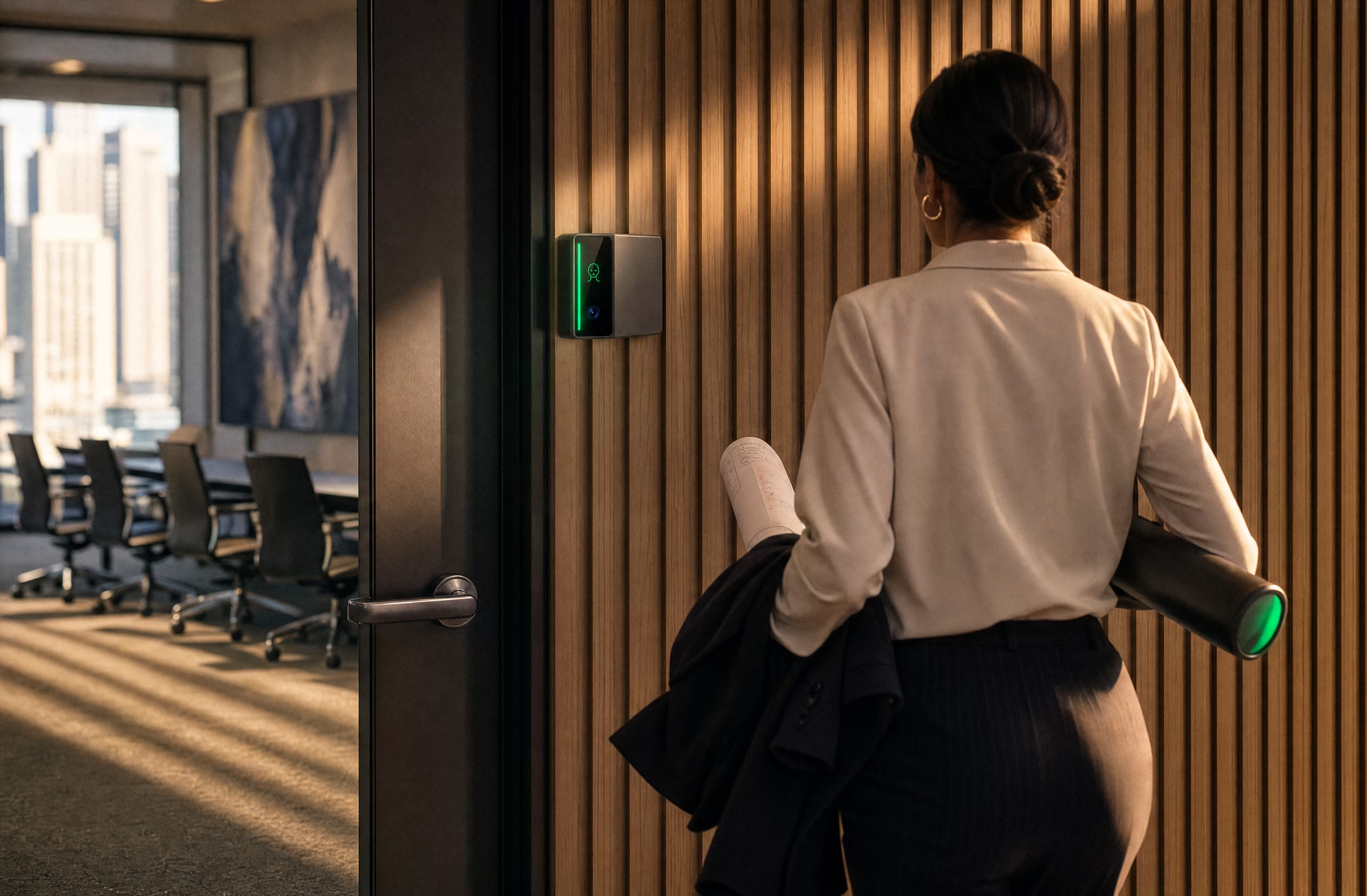
A person walks up to Rock X. No badge, no PIN, nothing to pull out of a pocket. Liveness detection confirms a real person is standing there, not a photo or a mask, and matches their face against the enrolled template in under a second. The result is an authenticated person. That’s it.

Why security teams choose Alcatraz for single-factor authentication
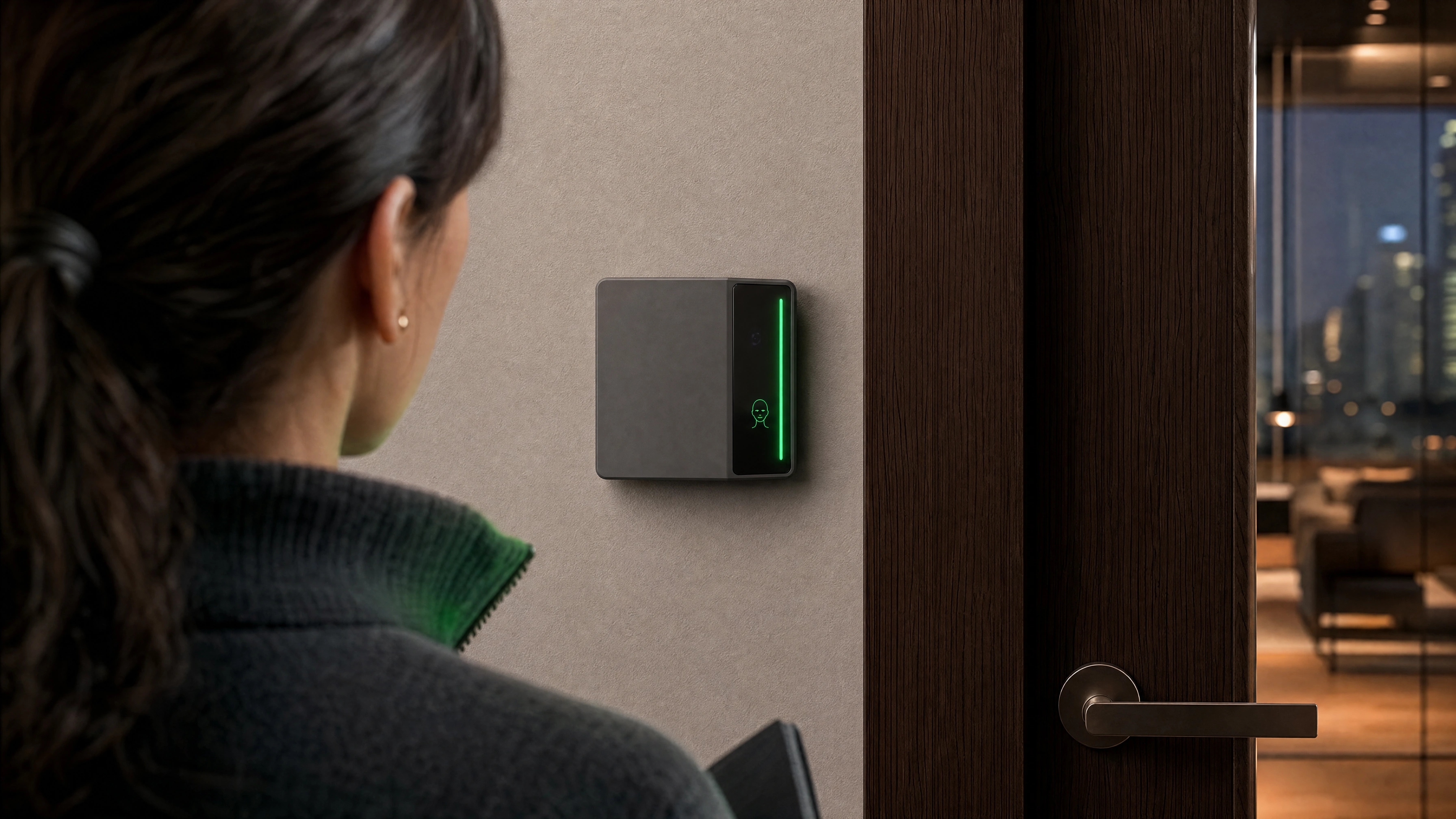
Frictionless, touchless access
Badges and PINs add a pause at every door. Alcatraz authenticates by face alone, so people walk straight through without stopping, scanning, or touching anything.
A legacy replacement you can actually rely on
Every lost badge, every new hire, and every failing legacy reader or card system adds cost and admin work. Alcatraz replaces both the badge and the legacy hardware behind it, cutting the expense and upkeep of managing physical credentials.
Privacy-first by design
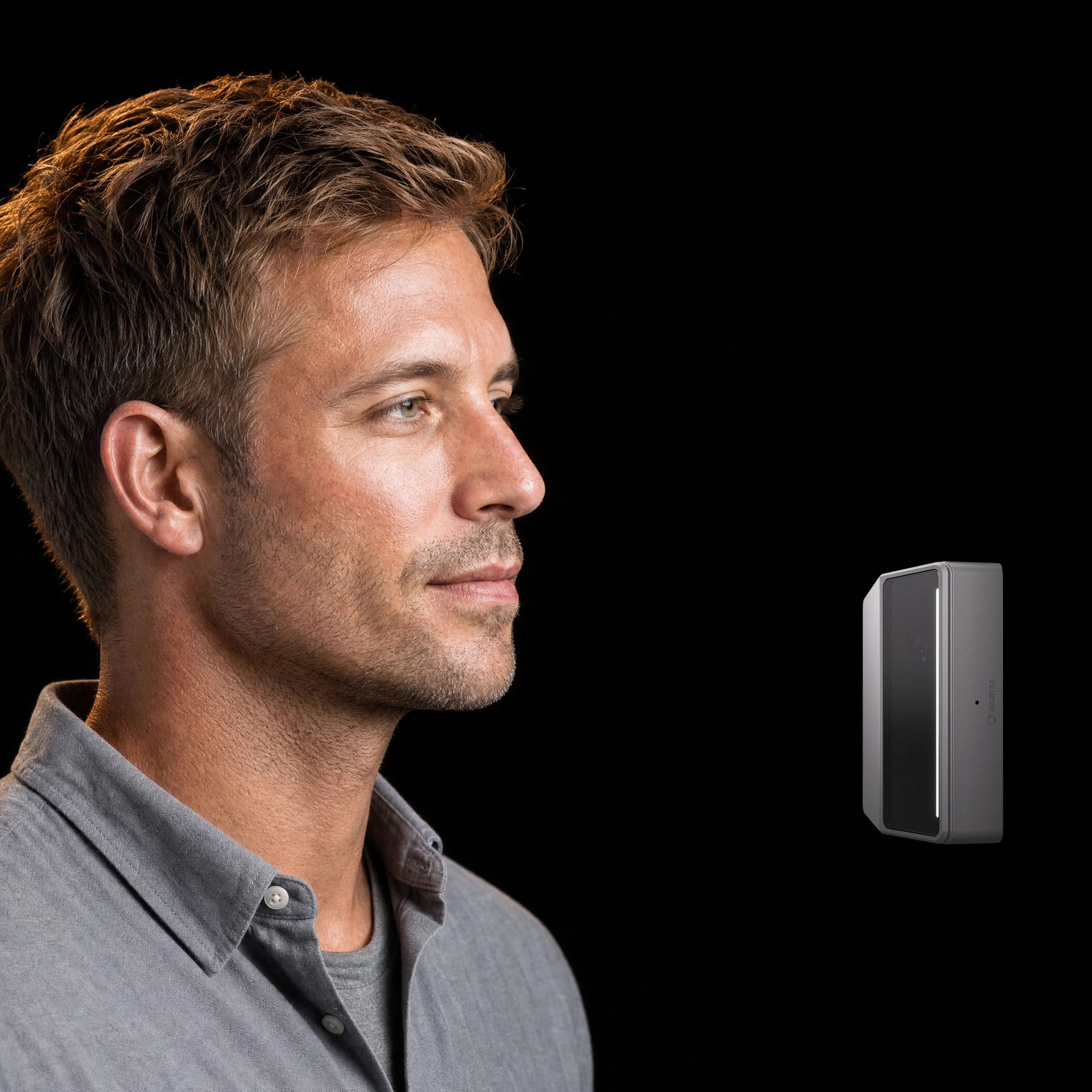
Alcatraz uses edge processing. Templates are stored on the device, and PII is never transmitted. That keeps you ahead of BIPA, CCPA, GDPR, and other privacy regulations wherever you operate.
Case studies



YMCA closes the loophole in shared entry credentials
A shared barcode system lets YMCA members hand off access to non-members. Standalone facial authentication closed the gap while keeping entry frictionless.
Air Products modernizes its new headquarters with touchless entry
Facial authentication and biometric turnstiles bring frictionless, touchless access to Air Products’ global HQ, meeting privacy and compliance expectations along the way.
LAFC secures stadium perimeters with keyless entry
Banc of California Stadium replaced credential-based access for players, staff, and vendors with touchless facial authentication at facility perimeters.
FAQs
What is single-factor authentication for physical access control?
Single-factor authentication means entry secured by one credential: a badge, a PIN, a fingerprint, or a face. A face can’t be lost, shared, or left behind, and there’s nothing to carry or remember, which makes it the strongest of those options. Alcatraz uses it as that one credential, verified live at the door.
Is single-factor facial authentication as secure as a badge?
More secure, in the ways that matter. The door opens for whoever is holding the badge. It has no way of knowing if a second person tailgates in right behind them. Alcatraz detects tailgating in real time, a threat a badge alone can never catch. Also, Alcatraz’s liveness detection adds a check a badge can’t offer either: it confirms a real, physically present person, so a photo, video, or mask can’t be used in their place.
Does removing the badge mean giving up on privacy or compliance?
No. Alcatraz uses edge processing: templates are stored on the device, and PII is never transmitted. Even the original enrollment photo is discarded immediately once it’s converted to an encrypted template, so no image of anyone’s face is ever kept on the device. This supports compliance with BIPA, CCPA, GDPR, and other privacy regulations, wherever your organization operates.
What happens to the cost and admin of managing badges?
Can we add a second factor later if we need it?
Yes. Alcatraz can pair your face with your existing badge for two-factor authentication on specific doors at any time, managed from Rock Cortex, so the most sensitive entry points can run MFA while the rest of the building stays on fast, single-factor authentication.
Learn more about MFA.