




Real-Time Tailgating Detection at Every Door
Alcatraz detects tailgating as it happens and alerts your team in real time.
The breach your access control system cannot see
The most common physical breach isn't a forged badge or a picked lock. It's a person walking through a door someone else opened. Card systems are structurally blind to it: the reader saw one credential, the panel logged one entry, and the second person doesn't exist in the record.
Alcatraz detects the tailgater the moment it happens, so occupancy counts, incident response, and compliance reporting are built on what actually occurred, not what the badge log assumed.

How tailgating detection works
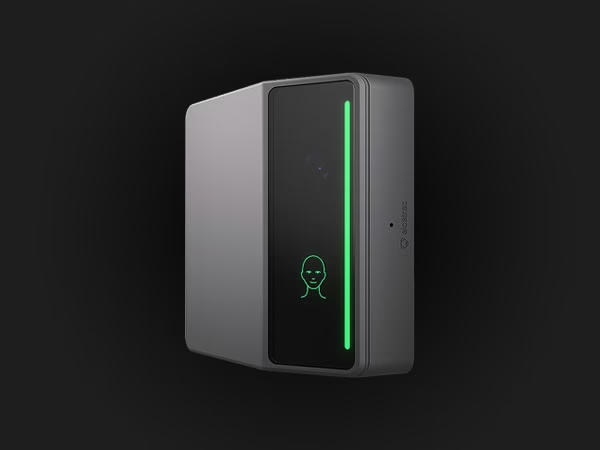
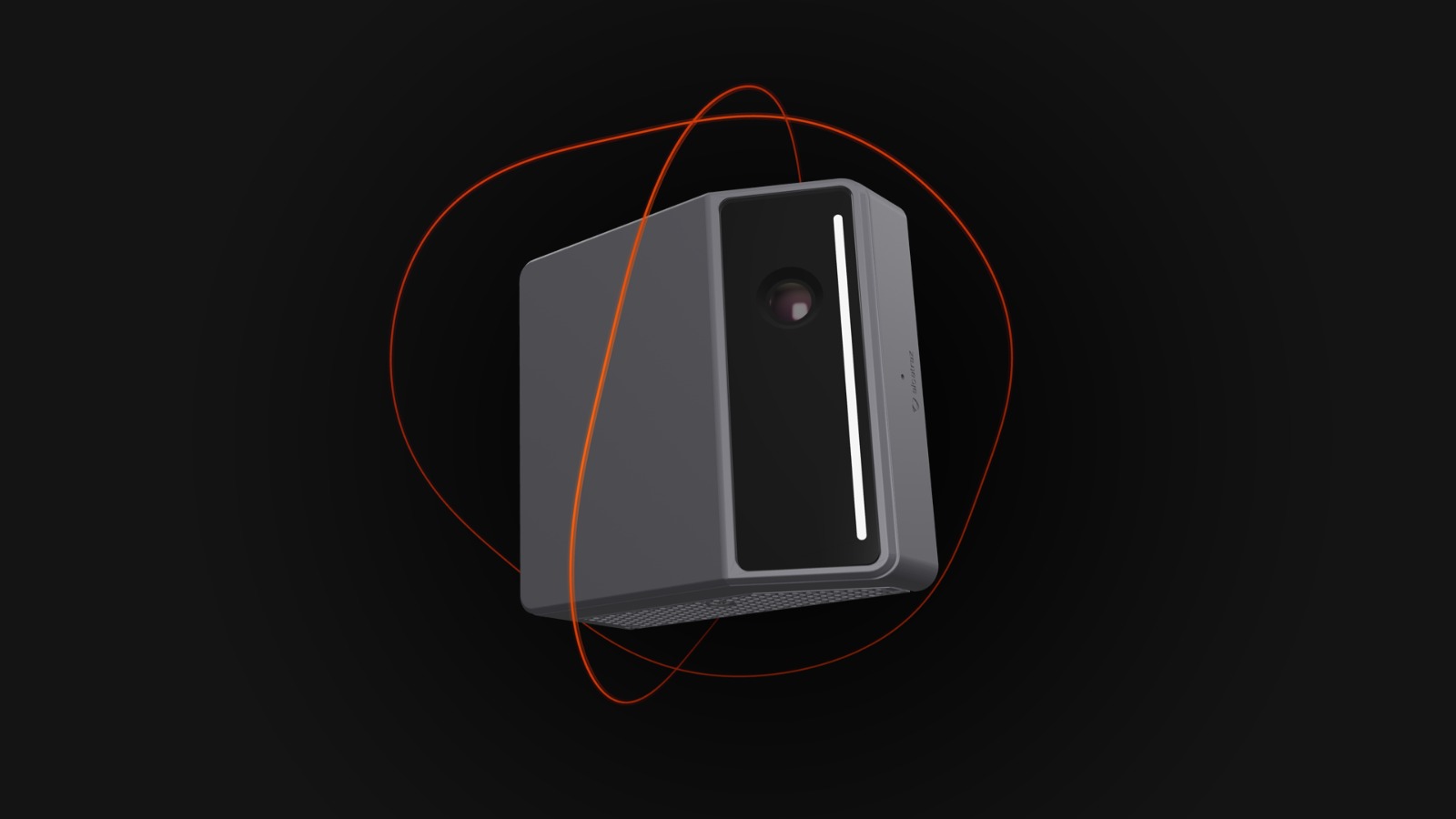
Rock X authenticates the enrolled person in under a second, then keeps monitoring the doorway as the door opens. If an unauthorized person enters, a picture is captured at the door and Rock Cortex logs the event for further investigation.
Because tailgating detection runs on the same edge device as authentication, the Rock X, there is nothing extra to install, wire, or calibrate at the door.

Tailgating, crossing, and unauthorized entry
Alcatraz distinguishes unverified entries into three categories: tailgating, crossing, and unauthorized entry.
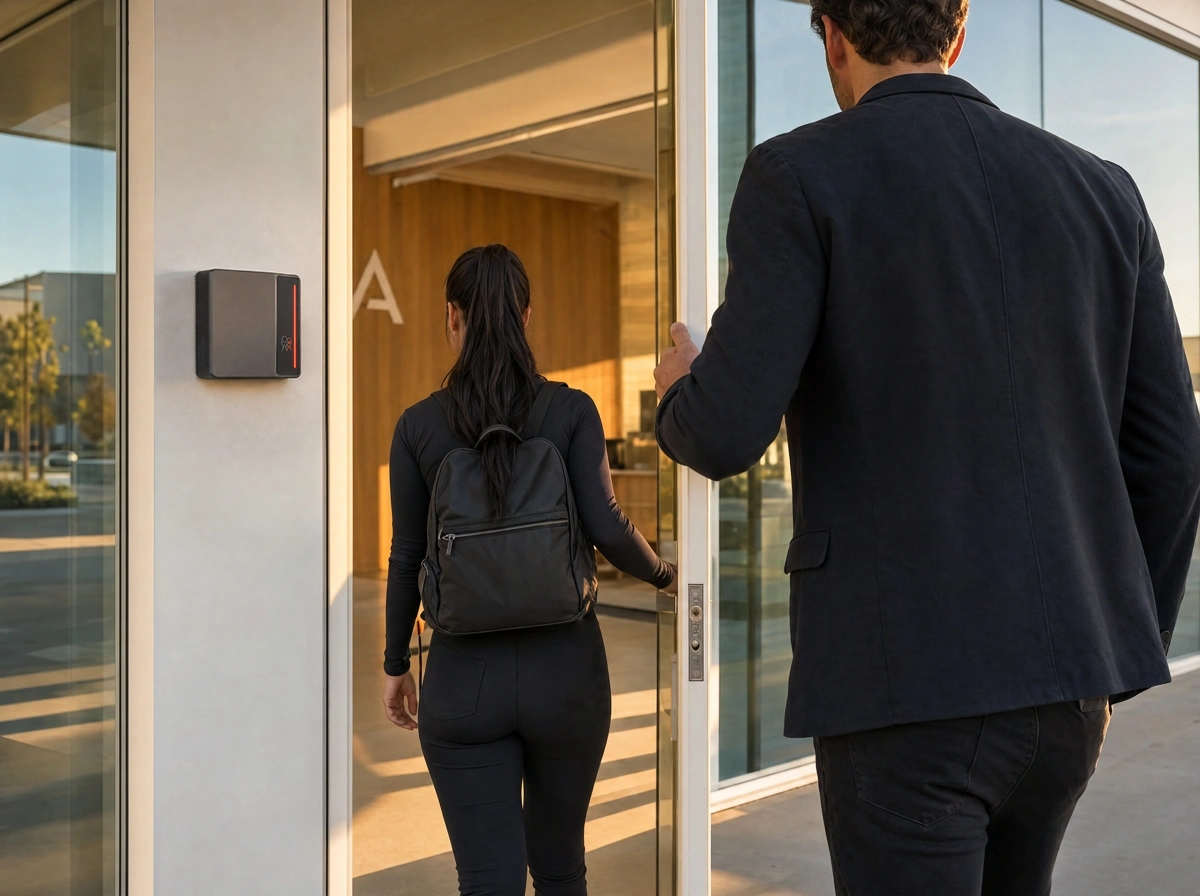
- Tailgating: Someone walks behind an authorized person and enters through the door.
- Crossing: Someone enters through the door as another person is exiting.
- Unauthorized entry: An unauthorized person enters without anyone opening the door for them, for example when the door has been left propped open.
The Rock Cortex logs these events and provides an audit trail for your security team to investigate.

Why security teams choose Alcatraz for tailgating detection
Detection at the moment of entry
The Rock X detects the tailgater the instant they enter. Your SOC gets a snapshot of the unauthorized person, time of event, and the device that triggered the event
Covers the gap cards cannot see
Card systems log credentials and not people. Alcatraz logs verified people and detects the ones that don't belong. Every held door, polite follow, or deliberate tailgate becomes a detected, attributable event, closing the most common physical breach at its exact point of failure.
Proof from the field



Data center leader deploys real-time tailgating analytics
A global data center operator adopted Alcatraz to replace legacy biometrics. Tailgating detection was a key driver, helping the company strengthen perimeter security and enforce compliance across multiple critical facilities.
Healthcare IT provider upgrades with tailgating alerts
A major healthcare technology company replaced legacy biometrics with Alcatraz for 2FA access. Tailgating detection was a key driver, providing greater visibility and security across critical data centers.
National bank strengthens branch access with tailgating detection
A leading financial institution selected Alcatraz to secure corporate sites with frictionless 2FA. Tailgating detection and real-time alerts helped the bank maintain compliance while simplifying access for employees.
FAQs
How does Alcatraz detect tailgating at a door?
Rock X authenticates the enrolled person in under a second, then keeps monitoring the doorway as the door releases, flagging any second person who crosses on that entry in real time and capturing video at the door. The event is tied to the verified entry it followed and surfaces through your existing monitoring.
Can tailgating detection work with my existing access control system?
Yes. Detection runs on the same Rock X reader that performs facial authentication, sitting in line via Wiegand or OSDP between the reader position and the panel, with platforms like Genetec, LenelS2, and Software House C•CURE unchanged. Events flow into Rock Cortex and your existing alarm monitoring.
Which doors benefit most from tailgating detection?
The doors where a second person matters most: data hall and cage boundaries, SIDA and secure airport doors, hospital units and pharmacies, residence hall entrances, and back-of-house corridors and cash rooms. Start where your incident reports or audit findings already point, then extend on the same platform.