




AS SEEN ON ABC7 / KGO · APRIL 22, 2026 · WITH KRISTEN SZE
Your Face Is Your Key — But Who Owns the Data?
Most facial biometrics are surveillance. Alcatraz is not. We’re the Face ID for physical spaces — no photos stored, no personal data required. Just the world’s most secure authentication, trusted by the world’s most secure places. Privacy first. Last. Always.
Alcatraz CEO Tina D’Agostin joins KGO’s Kristen Sze to draw the line between facial recognition and facial authentication — and to explain why the 40-year-old plastic badge is finally on its way out.
In the wake of the Sam Altman home invasion and ahead of World Cup 2026, Tina D’Agostin sits down with Kristen Sze on ABC7 / KGO to unpack a critical distinction: facial recognition (TSA, surveillance, databases of identities) is not the same as facial authentication — the anonymous, privacy-first approach Alcatraz pioneered, built by a founding engineer from Apple’s Face ID team. No photographs. No personal data. Just an encrypted mathematical value that says yes or no at the door.
Exclusive: the YouGov × Alcatraz study on the future of workplace security.
Facial authentication, not facial recognition
Most facial technology — including what travelers see at TSA — is surveillance-based. It matches your face to a photograph in a database. It knows your name, your record, your history.
Alcatraz does none of that. The moment you enroll, the unique geometry of your face is converted into an encrypted mathematical value. That value either matches an approved credential or it doesn’t. No photograph is ever stored. No identity is ever part of the transaction. 100% anonymous.
Built by the team behind Face ID
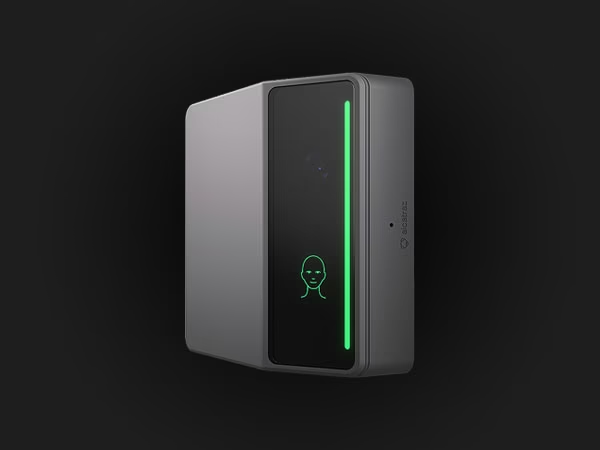
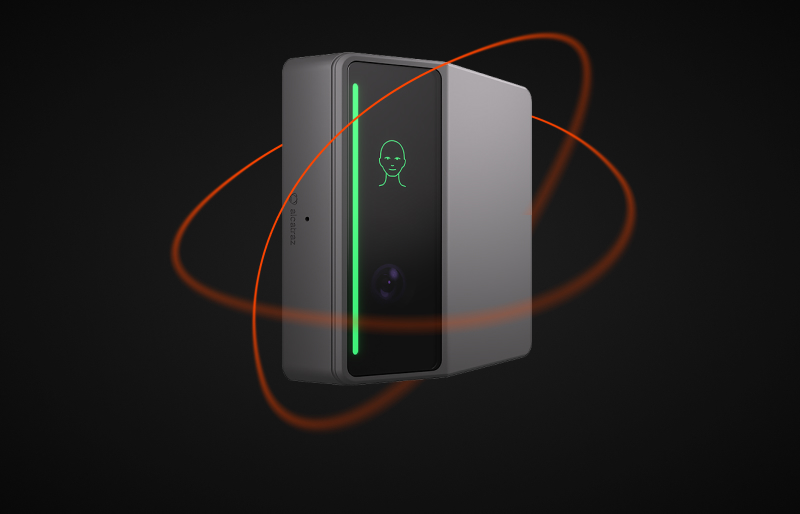
Alcatraz was founded in Cupertino, California — the same city as Apple. Its founding engineer worked on the Apple team that built Face ID. The insight was simple: the same privacy-forward technology people trust every day to unlock their phones should be available at the office, the airport, the data center, and the stadium. The result is Alcatraz’s flagship product, the Rock™.
Used by the organizations that can’t afford to get It wrong
Alcatraz’s facial authentication is deployed by leading AI data centers, major U.S. airports, energy infrastructure, Fortune 100 companies, NFL teams, and top universities. No photographs. No personal data. No database of faces that can be hacked or subpoenaed.
About Alcatraz
Alcatraz is the privacy-forward facial biometric firm for physical access, headquartered in Cupertino, California. Its flagship product, the Rock™, replaces badge-based and legacy biometric systems with fully anonymized facial authentication. Total capital raised exceeds $100 million.