




Biometric access control in healthcare: how facial authentication is transforming hospital security

From keys to cards to faces, healthcare access control systems have evolved dramatically over the past few decades. Traditional access methods - such as ID badges, key cards, and PIN codes - once formed the foundation of hospital security. However, these systems are increasingly being replaced by biometric facial authentication technologies that offer stronger protection and a more seamless experience.
Today’s healthcare facilities face unprecedented security challenges - from protecting sensitive patient data to preventing unauthorized access to restricted zones like operating rooms, pharmacies, and labs. The need for smarter, touchless, and privacy-first solutions has never been greater.
According to recent research studies, the global healthcare biometrics market is projected to reach $14.5 billion by 2025, reflecting the industry’s rapid shift toward advanced biometric medical solutions. That’s why more hospitals are adopting biometrics in healthcare, particularly facial authentication, to create a safer, more efficient, and compliant access control environment.

What is biometric access control in healthcare?
Biometric access control for hospitals uses unique physiological traits - such as facial features, fingerprints, or iris patterns - to verify an individual’s identity before granting access to secure areas or systems.
Common use cases of biometrics in healthcare
- Facial authentication: Contactless, hygienic, and powered by AI, facial authentication enables fast and secure identity verification.
- Fingerprint scanning: Widely used but contact-based, raising hygiene concerns in clinical settings.
- IRIS or retina scanning: Extremely accurate but often more intrusive and expensive.
- Palm vein scanning: Offers strong accuracy but requires direct placement and maintenance.
How biometric systems work?
Biometric systems link an individual’s encrypted digital profile to the hospital’s access control infrastructure. When a user approaches a secured area, the system authenticates their identity in real-time - without physical credentials that can be lost, shared, or stolen.
Why facial authentication leads the future of hospital access control
While several biometric options exist, facial authentication stands out as the most effective and user-friendly solution for modern healthcare.
1. Frictionless authentication for infection control
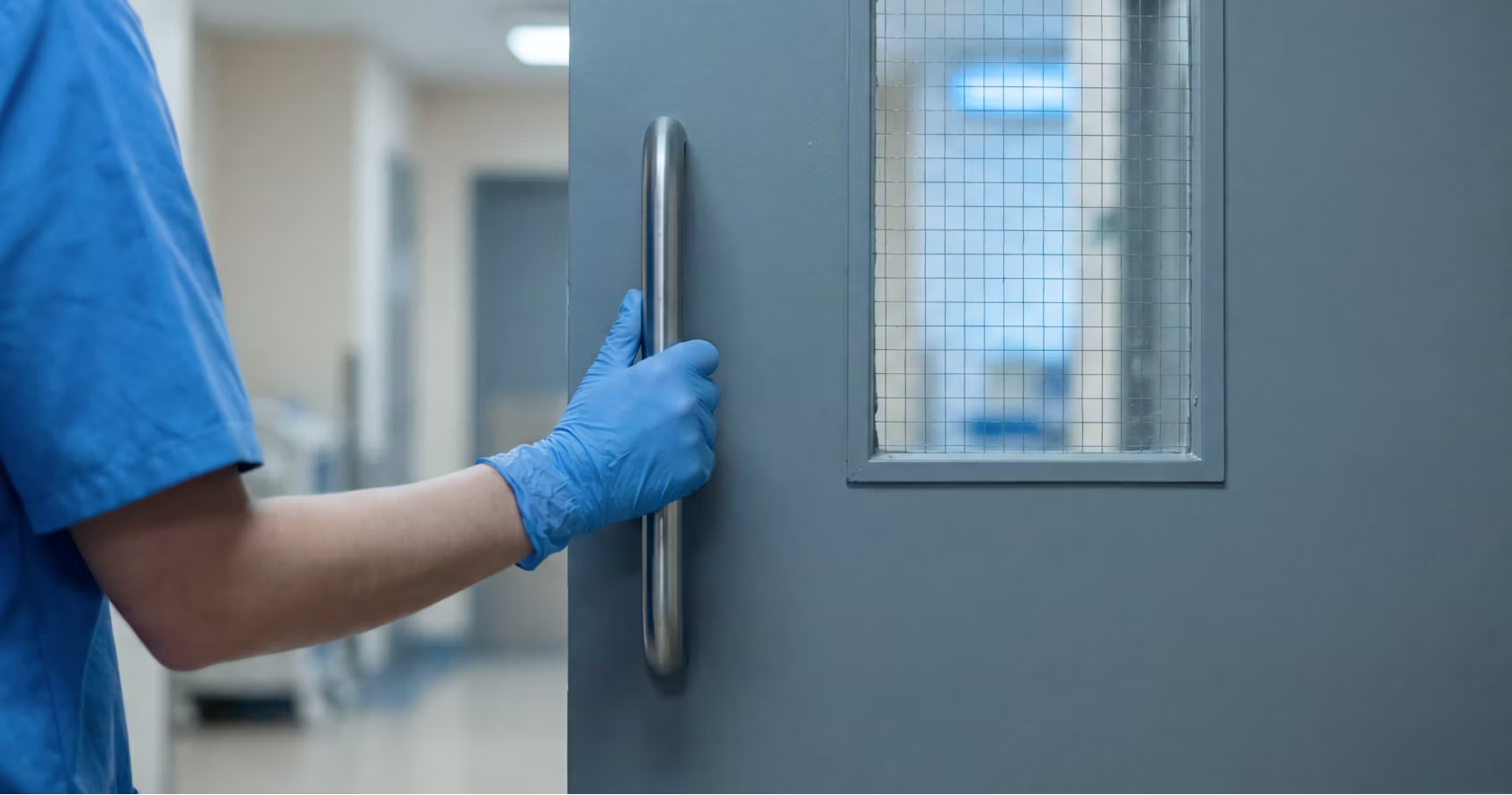
Hospitals are high-contact environments, making hygiene essential. Facial authentication eliminates the need for touching shared surfaces such as keypads or scanners, a key advantage for infection prevention and control.
2. Accuracy and speed
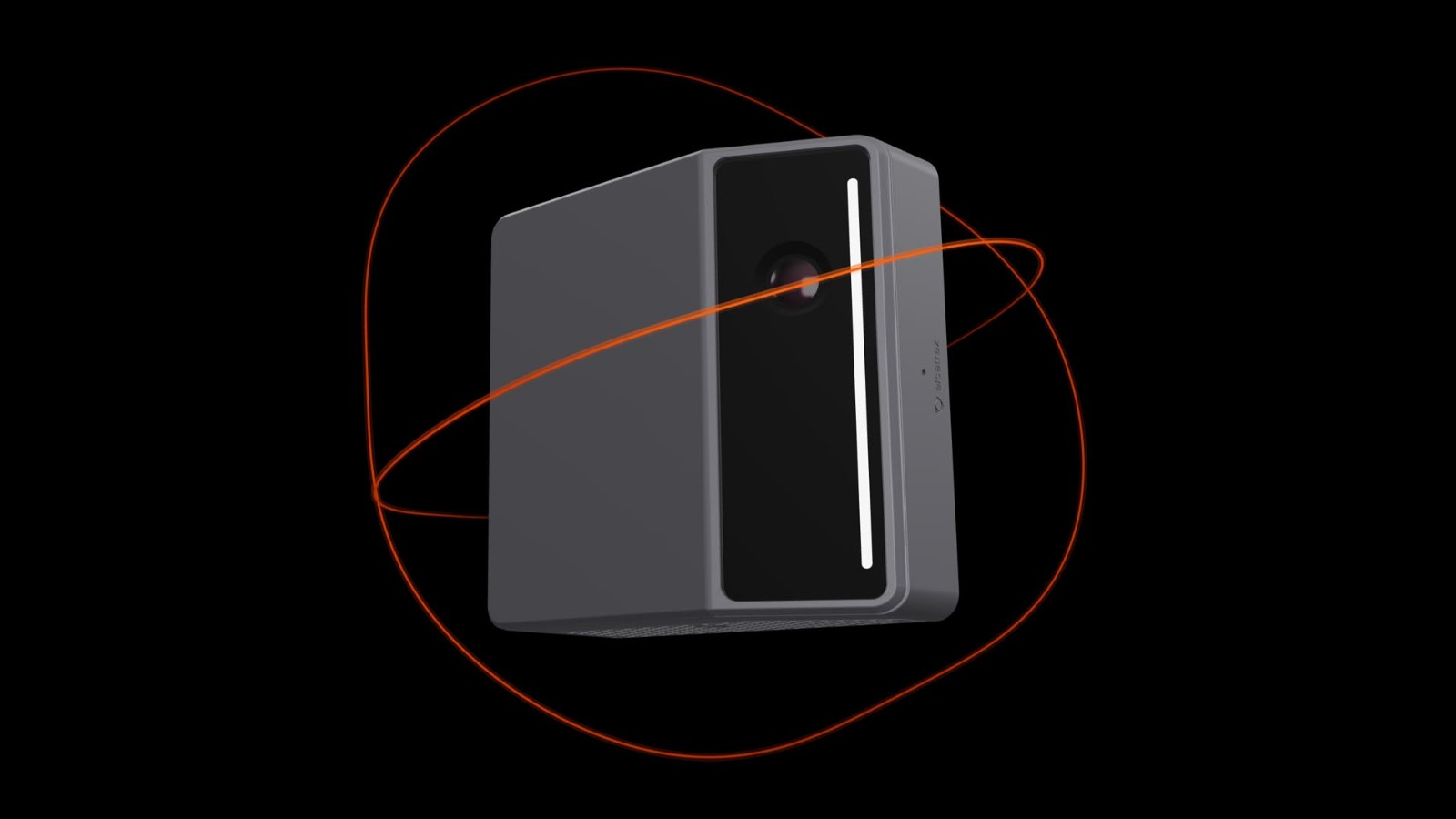
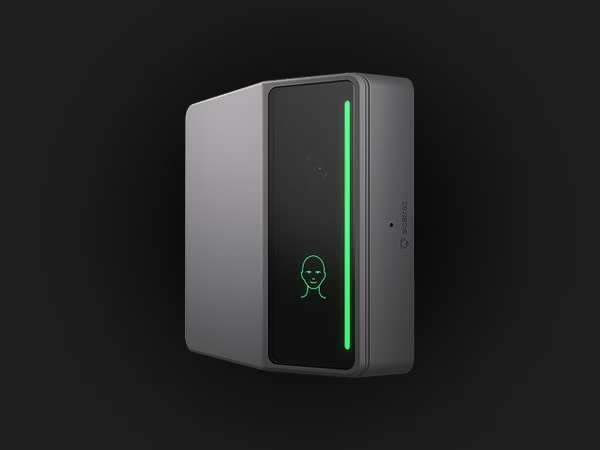
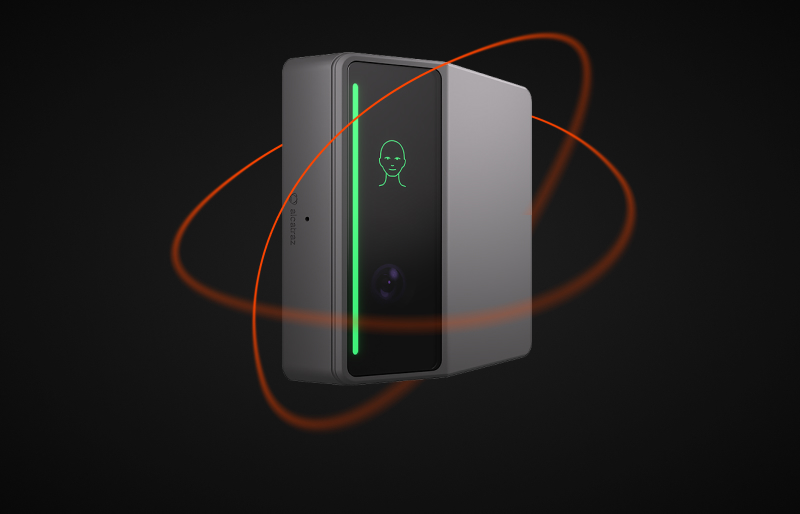
With advanced AI and 3D scanning, systems like The Rock and Rock X from Alcatraz AI deliver near-instant, error-free authentication - ideal for busy hospital environments where every second matters.
3. Tailgating prevention
Tailgating, when an unauthorized person follows someone through a secured door, is a common security gap. Alcatraz’s Rock X features built-in tailgating detection that automatically identifies and alerts staff to such incidents, strengthening overall hospital security.
4. Privacy-first design
Facial authentication is not the same as facial recognition. Unlike traditional recognition systems, Alcatraz AI’s privacy-first architecture ensures that no identifiable images are stored. Instead, facial data is converted into anonymized, encrypted digital tokens, aligning with privacy regulations like GDPR, BIPA, and CCPA.
Key benefits of biometric access control for healthcare facilities
Implementing biometrics in healthcare goes beyond security - it transforms hospital operations, compliance, and sustainability.
1. Enhanced hospital security
Restrict access to critical areas, such as medication storage, operating rooms, and data centers, ensuring only authorized medical staff can enter.
2. Improved patient privacy
By securing both physical spaces and digital systems, facial authentication helps healthcare organizations protect patient data and maintain HIPAA compliance.
3. Streamlined operations
Reduce the administrative burden of managing badges, reset requests, or credential replacements. Staff can move freely and securely between departments, improving workflow efficiency.
4. Sustainable and cost-effective
By replacing plastic proximity cards with facial authentication, hospitals can cut plastic waste, reduce costs, and advance their sustainability goals.
How facial authentication improves patient and staff safety
Facial biometrics not only protect hospital infrastructure but also enhance the overall safety and experience of patients and employees.
- Protecting Patient Data: Prevent unauthorized individuals from accessing electronic health records or medical databases.
- Preventing Identity Mix-Ups: Accurately verify patients during admission, treatment, and discharge - improving care accuracy.
- Faster Emergency Response: Enable instant verification for doctors and nurses in time-sensitive scenarios.
Compliance and data protection in healthcare biometrics
Data protection and compliance are critical in healthcare. Alcatraz AI designs every solution to meet the industry’s strictest security and privacy standards.
- Built-in compliance with HIPAA, GDPR, BIPA, and CCPA
- Consent-driven enrollment ensures transparency and trust among users
- Privacy-by-design architecture with on-device facial matching — no sensitive data is stored or shared in the cloud
Real-world example: building the hospital of the future
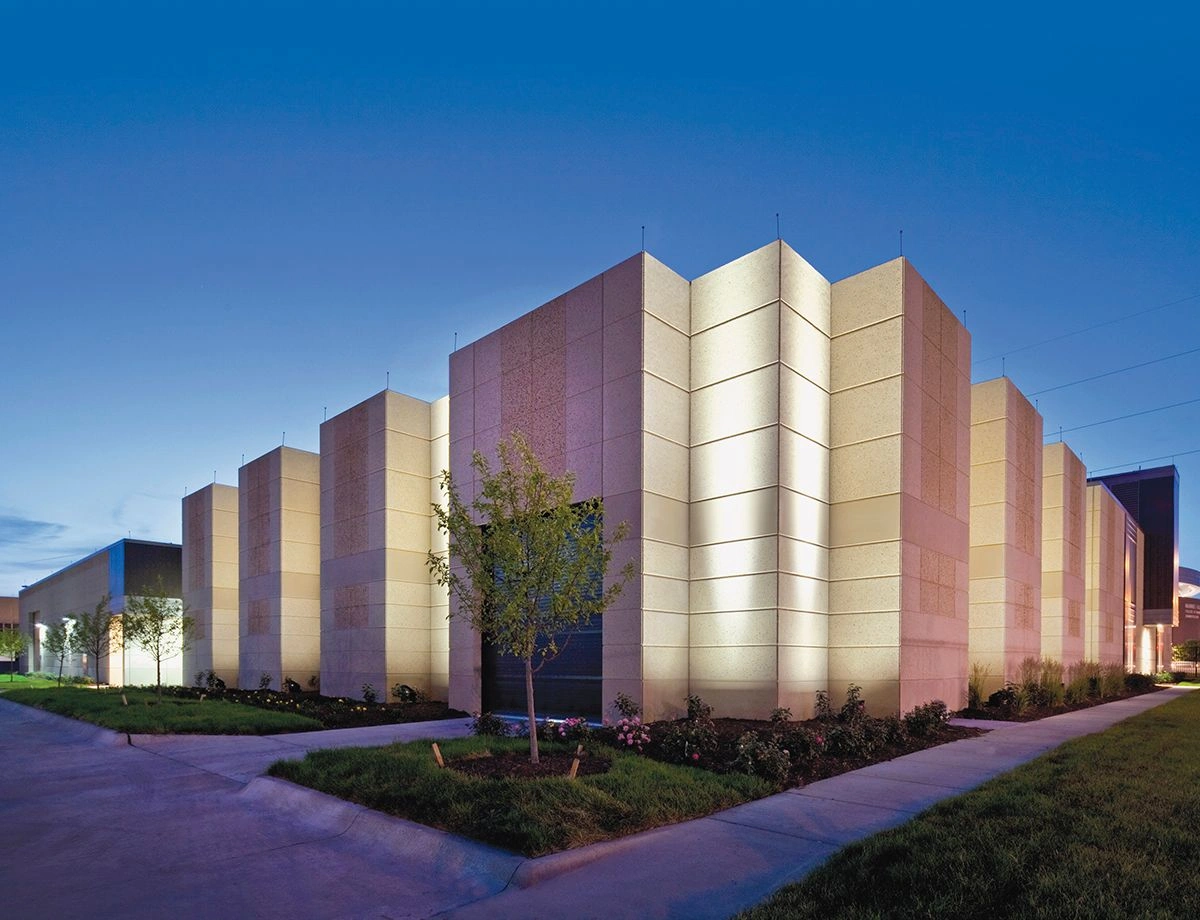
Martin Luther King Jr. Community Hospital (MLKCH) partnered with Alcatraz AI to modernize its access control system. By deploying facial authentication technology, MLKCH improved security response times, streamlined staff movement, and enhanced the overall patient experience. The hospital now stands as a model for AI-driven, privacy-first access control in healthcare.
Why Alcatraz AI is the ideal partner for hospital access control
Alcatraz AI is a leader in AI-powered facial authentication - built, designed, and engineered in the U.S.
The Rock and Rock X devices
- 3D Liveness Detection - Prevent spoofing or photo-based attacks
- Edge Processing - All authentication happens on-device; no cloud exposure
- Seamless Integration - Works with any existing access control system
- Privacy by Design - Data encrypted, anonymized, and compliant
Trusted by Fortune 500 companies and top U.S. hospitals, Alcatraz AI’s Rock X delivers frictionless, secure access control - the future of healthcare security.
Future of healthcare access control
The future of hospital security lies in AI-driven, contactless, and sustainable systems.
- Predictive threat detection powered by machine learning
- Contactless hospitals minimizing contamination risks
- Cardless, eco-friendly solutions promoting sustainability and cost reduction
As the healthcare industry continues to innovate, biometric medical security, particularly facial authentication, will define the next generation of hospital access control.
Ready to secure your hospital with facial authentication?
Join the hospitals redefining security with frictionless, privacy-first facial authentication. Book a personalized demo of Alcatraz AI’s Rock X today and experience the future of biometric access control for healthcare.