




Enhancing stadium security: the future of access control with facial authentication
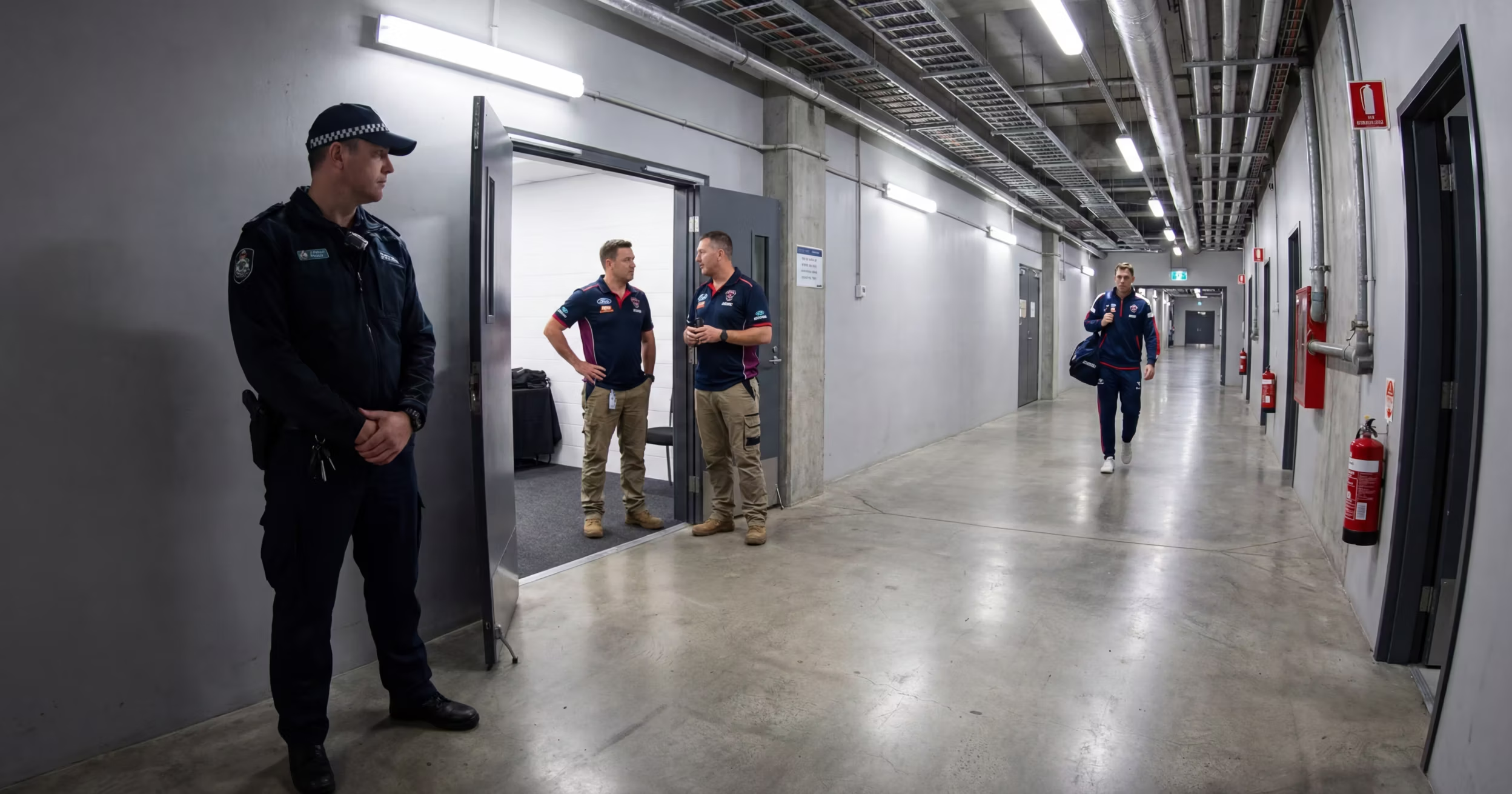
Stadiums and arenas are dynamic environments where tens of thousands of fans, staff, athletes, media, and vendors converge to enjoy events. Ensuring comprehensive stadium security while maintaining efficient stadium access control is one of the biggest challenges venue operators face today.
Traditional credential-based access control systems, such as badges, PINs, and manual checks, struggle under the demands of high traffic, mixed access zones, and rapidly changing event-day conditions.
These legacy methods can cause bottlenecks, security gaps, and a poor experience for authorized personnel and VIPs.
With rising expectations for seamless entry and zero tolerance for security lapses, modern venues are shifting toward biometric access control enhanced by facial authentication. This advanced technology delivers frictionless, high-assurance identity verification at scale, helping stadiums protect people and assets while streamlining access.
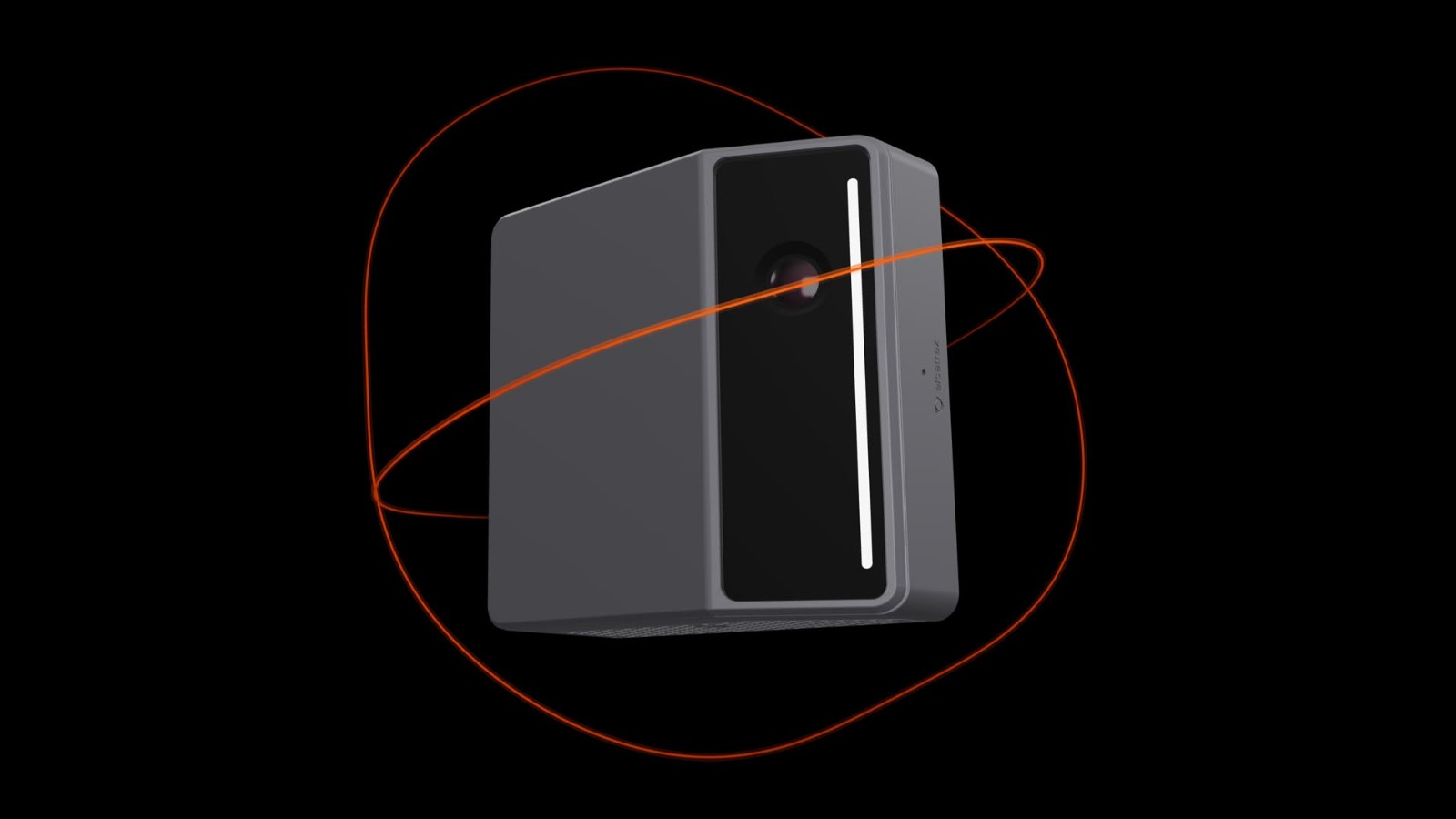
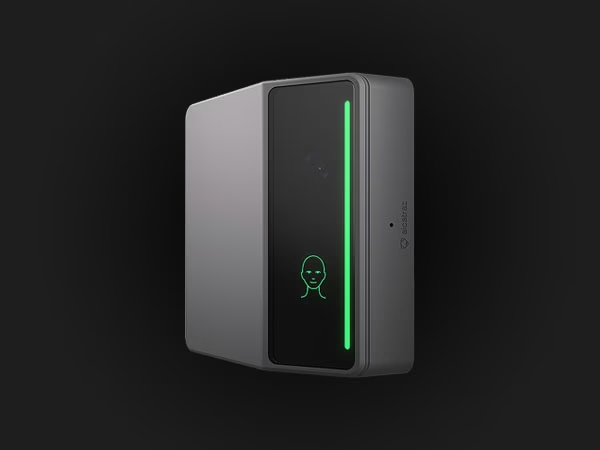
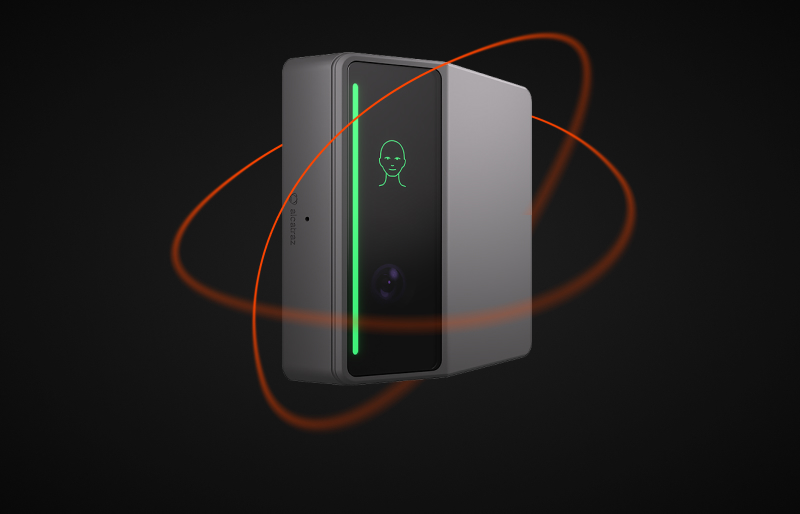
Alcatraz Rock X device exemplifies this new approach, offering enterprise-grade facial authentication built for the unique security needs of stadiums and arenas.

Adapting access control to modern threats and rising expectations
Modern stadiums face numerous risks, including insider threats, credential abuse, and, in particular, tailgating. Tailgating is especially problematic during peak traffic periods, such as halftime or pregame, and manual detection simply cannot scale to meet the challenge.
In addition to these threats, venue operators must support a high level of user experience. Athletes, staff, vendors, and VIPs expect efficient flow without compromising safety. Legacy access control systems that rely on physical tokens or manual checks introduce friction and administrative overhead that can undermine both security and the experience.
Traditional vs. advanced stadium access control systems
Traditional access control systems use physical credentials such as keycards or PIN codes, which come with inherent weaknesses. They can be lost, stolen, copied, or shared, leading to unauthorized access and administrative burden. On event days where hundreds of temporary contractor credentials are issued, managing and revoking access becomes a logistical liability.
In contrast, advanced stadium access control systems employ AI-powered biometric authentication, verifying the person rather than the token. This shift dramatically reduces credential misuse and enhances the ability to enforce access policies securely and efficiently.
The unique security challenges of modern stadiums and arenas
Stadium environments differ from regular corporate offices or campuses in several ways:
- High traffic volumes during events
- Temporary credentials for media, contractors, and event staff
- Multiple security zones - from public entry gates to VIP suites and restricted technical areas
- Dynamic crowd behavior and the need for real-time risk detection and tailgating protection
In these dynamic environments, access control failures can lead to unauthorized entry to sensitive zones, operational delays, and compromised safety. To this extent, stadium access control systems must be fast, reliable, and capable of enforcing complex policies under pressure.
Tailgating and unauthorized access at scale
Tailgating is one of the most common stadium security blind spots. During peak flows, human monitoring fails to consistently detect unauthorized individuals who follow closely behind a legitimate attendee. AI-based detection and continuous monitoring are required to reliably catch these incidents in real time and alert security teams to potential breaches before they escalate.
Why Facial Authentication is the future of stadium security?
Facial authentication treats the face itself as the credential, eliminating reliance on physical tokens that can be lost, borrowed, or misused. This method provides several advantages:
- Hands-free authentication speeds throughput at high-traffic gates
- Reliable performance across varied lighting and environmental conditions
- Designed for continuous, high-volume movement during events
- Enhances operational efficiency without slowing down authorized users
With biometric access control, stadiums can maintain orderly flow while strengthening security at every entry point.
Frictionless access without sacrificing security
Frictionless stadium access control refers to systems that authenticate identity rapidly and transparently, without requiring users to stop, swipe, or present multiple credentials.
Contrary to intuition, faster access can improve security when paired with AI, because it reduces human intervention points that are prone to error or circumvention. For athletes, staff, and VIPs, this results in a more pleasant, secure experience.

How AI-powered stadium access control works?
Modern AI-powered access control systems operate as follows:
- Approach: The individual walks toward the entry point.
- Authenticate: The system captures and analyzes facial biometric data.
- Authorize: The system confirms identity in accordance with policy.
- Log: Entry event is recorded for audit and compliance.
- Alert: If necessary, alerts are sent to security teams for anomalies.
This process often includes passive multi-factor authentication (MFA) and edge-based decision-making, enabling fast, on-device identity evaluation without cloud dependency.
Real-time monitoring, alerts, and enforcement
AI systems provide continuous monitoring and can correlate video data with access events, detecting behaviors such as tailgating, forced-entry attempts, or unusual movement patterns. Instant alerts help security teams respond quickly to suspicious activity - enhancing both safety and situational awareness.
Stadium use cases for facial authentication access control
Facial authentication extends beyond main entrances and can secure specific areas within stadiums:
- Team Locker Rooms & Training Facilities: Restrict access to authorized personnel, such as players and coaching staff, to prevent unauthorized entry by fans or media.
- Server Rooms & Stadium IT Infrastructure: Physical access to these areas protects critical systems that support operations and broadcast services.
- Security Operations Centers (SOCs): These nerve centers require strict access control paired with real-time incident response.
- Media Production & Broadcast Areas: High-value technical equipment and content workflows must be protected during events.
- Luxury Suites & VIP Entrances: Facial authentication offers seamless entry for VIPs without ticket checks, improving the guest experience.
- Player, Staff & VIP Parking: Controlled access with full audit trails improves safety and operational efficiency.
- Concessions & Back-of-House Areas: Rotating staff can be enrolled quickly and securely, simplifying credential management.
6 Reasons to upgrade stadium security with biometric access control
- Simple Deployment Across Large Stadium Infrastructure: AI-powered systems like Alcatraz's Rock X integrate seamlessly with existing access control infrastructure via standard interfaces such as Wiegand and OSDP, enabling easy deployment without replacing legacy systems.
- Autonomous Access for Athletes, Staff & Vendors: AI-driven access control verifies identity independently, reducing reliance on manual checks and accelerating throughput for authorized users.
- Built-In Tailgating Detection: Automated AI-powered tailgating detection outperforms human monitoring, helping security teams catch unauthorized entries in real time.
- Faster Throughput During Peak Traffic: By eliminating the need for manual badge scans or PIN codes, attendees and personnel can experience smoother, faster access through gates during busy periods such as halftime or intermissions.
- No Lost, Forgotten, or Shared Credentials: When the face becomes the credential, there's no risk of keycards or PINs being lost, forgotten, or shared. This strengthens both security and user experience.
- Edge Computing for Real-Time Decisions: Edge-based AI systems process data locally for real-time decision-making with minimal latency, future-proofing the system without requiring cloud dependency.
Physical security and cybersecurity in stadiums are now linked
Physical access to critical infrastructure, such as servers, control rooms, or broadcast systems, can directly affect cybersecurity. Restricting who can physically reach these assets is a core component of a broader security strategy that includes both physical and information security layers.
Shared risks across physical and digital systems
Insider threats, credential reuse, and unauthorized lateral movement are risks that bridge both the physical and digital domains. Tightening physical access control helps reduce vulnerabilities that attackers might otherwise exploit to reach digital assets.
Why Alcatraz AI is built for stadium-grade access control
Alcatraz's Rock X is an award-winning facial biometric authentication device engineered for stadium and arena conditions. It offers outdoor-rated performance and robust edge-based AI that delivers high-performance authentication across varied lighting and environmental scenarios.
Privacy-first biometric access control
Rock X uses one-way encrypted biometric templates and opt-in consent processes, helping venues meet regulatory requirements such as GDPR, CCPA, and BIPA while protecting personal data.
Seamless integration with existing access control systems
Rather than requiring replacement of existing access infrastructure, Rock X can integrate inline with current systems and Video Management Systems (VMS), simplifying deployment and minimizing disruption.
Final thoughts - building safer stadiums with smarter access control
Alcatraz AI is redefining stadium access control with its Rock X facial authentication solution. Designed to enhance security, reduce friction, and respect user privacy, Rock X empowers stadium operators to protect players, staff, fans, and critical assets while improving the overall event experience. If you want to future-proof your stadium venue with modern access control, schedule a demo or explore how Rock X can elevate your security ecosystem.