




Why the finance sector needs autonomous access control in 2026?

Financial institutions operate in one of the most complex security environments in the world. Banks, investment firms, and financial service providers must protect sensitive data, physical assets, and people, while meeting strict regulatory requirements and maintaining fast, uninterrupted operations. In this environment, autonomous access control is no longer a future concept. It is quickly becoming a foundational component of modern financial security systems.
Autonomous access control uses artificial intelligence and machine learning to make real-time access decisions at the edge, without relying on human judgment or static rules. Legacy access control models simply cannot keep up with the modern banking environments.

Financial security has outgrown traditional access control
For decades, access control for banks relied on physical credentials, PINs, and human guards. While these systems once operated at smaller scales, they are structurally outdated for today's financial institutions.
Badge-based and guard-heavy systems introduce friction, slow down operations, and create blind spots that attackers exploit.
The most common failures include:
- Credential theft and sharing, which underminefacial authentication is not the same as facial recognition identity assurance
- Tailgating and piggybacking, especially in high-traffic branches and offices
- Insider threats, enabled by over-privileged or poorly enforced access
- Audit and compliance gaps, caused by fragmented systems and manual oversight
As financial institutions expand, decentralize, and operate around the clock, these weaknesses compound. This is why many organizations are now shifting toward AI-powered, autonomous access control for financial institutions.
Why is access control critical for banks and financial institutions?
Strong access control is no longer just a security function; it is a trust mechanism that protects customers, employees, and the institution itself.
Protecting financial assets, data, and institutional trust
In finance, a physical breach is rarely just physical. Unauthorized access to offices, data centers, or restricted zones often leads directly to data exposure, fraud, or service disruption. The reputational damage and regulatory consequences can be severe, especially in highly regulated markets.
Common access control risks in the banking sector
Many financial organizations still struggle with systemic access control risks, including:
- Over-privileged access that violates least-privilege principles
- Manual enforcement that depends on human judgment and consistency
- Disconnected systems that limit visibility and slow incident response
Autonomous access control directly addresses these risks by enforcing policy consistently and continuously, without relying on human intervention. To understand why this shift matters, it helps to clarify the difference between traditional, biometric, and autonomous systems.
Traditional vs. biometric vs. autonomous Access Control
- Traditional access control relies on credentials and human oversight
- Biometric access control verifies identity using physical traits
- Autonomous access control uses AI to authenticate, evaluate risk, and enforce access decisions automatically
In autonomous systems, access decisions are made in real time, at the edge, using machine learning models that adapt to behavior and context.
Where Autonomous Access Control Fits in Financial Institutions?
Autonomous access control is especially effective in:
- Bank branches with high foot traffic
- Corporate headquarters
- Trading floors with time-sensitive operations
- Data centers and sensitive infrastructure
- Restricted and high-risk areas
This flexibility makes it a scalable solution for complex financial organizations.
How do AI and machine learning change physical security?
AI-driven access control removes fatigue, bias, and inconsistency from enforcement. It enables:
- Authentication at the edge, without constant cloud dependency
- Real-time risk assessment based on behavior and context
- Continuous improvement as models learn over time
Crucially, facial authentication is not the same as facial recognition. Privacy-first systems authenticate enrolled users without storing images or enabling surveillance, an essential distinction for regulated financial environments.

8 Reasons financial institutions need autonomous access control
1. Faster, frictionless access without sacrificing security
Speed matters in finance. Trading floors, branches, and data centers cannot afford delays caused by forgotten badges or manual checks. Autonomous access control enables employees to move securely and efficiently, without bottlenecks.
Facial authentication eliminates physical credentials, allowing authorized users to authenticate instantly while maintaining strong identity assurance.
2. Eliminates human error and insider bias
Human-run security is inherently inconsistent. Guards miss details, make assumptions, or grant access under pressure. Autonomous systems do not.
By enforcing zero-trust access control at every entry point, AI prevents tailgating and piggybacking - two of the most common physical security failures in financial institutions.
3. Always-on protection for 24/7 financial operations
Banks do not shut down at night, and neither should security. Autonomous access control provides continuous protection across:
- Branch locations
- Corporate headquarters
- Trading floors
- Data centers and restricted zones
Real-time alerts integrate directly with existing access control systems (ACS) and video management systems (VMS), enabling faster response without adding operational burden.
4. Smarter access decisions through machine learning
Unlike static rule-based systems, autonomous access control adapts. Machine learning models analyze behavior patterns over time, allowing systems to adjust access policies dynamically.
This enables risk-based access decisions that are far better suited to complex financial environments than traditional "allow or deny" logic.
5. Built-In privacy, compliance, and regulatory alignment
Privacy and compliance are non-negotiable in finance. Modern autonomous systems are designed with privacy-by-design principles and support regulations such as GDPR, CCPA, and BIPA.
Key privacy protections include:
- One-way, encrypted biometric templates
- No storage of facial images
- Clear opt-in enrollment and consent
This ensures that access control for financial institutions strengthens security without creating new compliance risks.
6. Lower operational costs without compromising security
Autonomous access control reduces long-term costs by:
- Minimizing reliance on physical guards
- Eliminating badge issuance and replacement
- Reducing administrative overhead
7. Touchless authentication and tailgating prevention in banks
Touchless facial authentication reduced friction while improving security. Combined with intelligent tailgating detection, autonomous systems prevented unauthorized access without requiring guards to intervene.
Real-time alerts integrated into ACS and VMS platforms gave security teams immediate visibility, which is critical in high-risk financial environments.
8. Automated policy enforcement without human confrontation
Early examples, such as automated mask verification, demonstrated a broader truth: autonomous systems enforce policies consistently, without bias or confrontation.
The takeaway for finance is clear: security rules are followed because the system enforces them, not because a person is watching.
How Alcatraz AI enables autonomous access control for finance
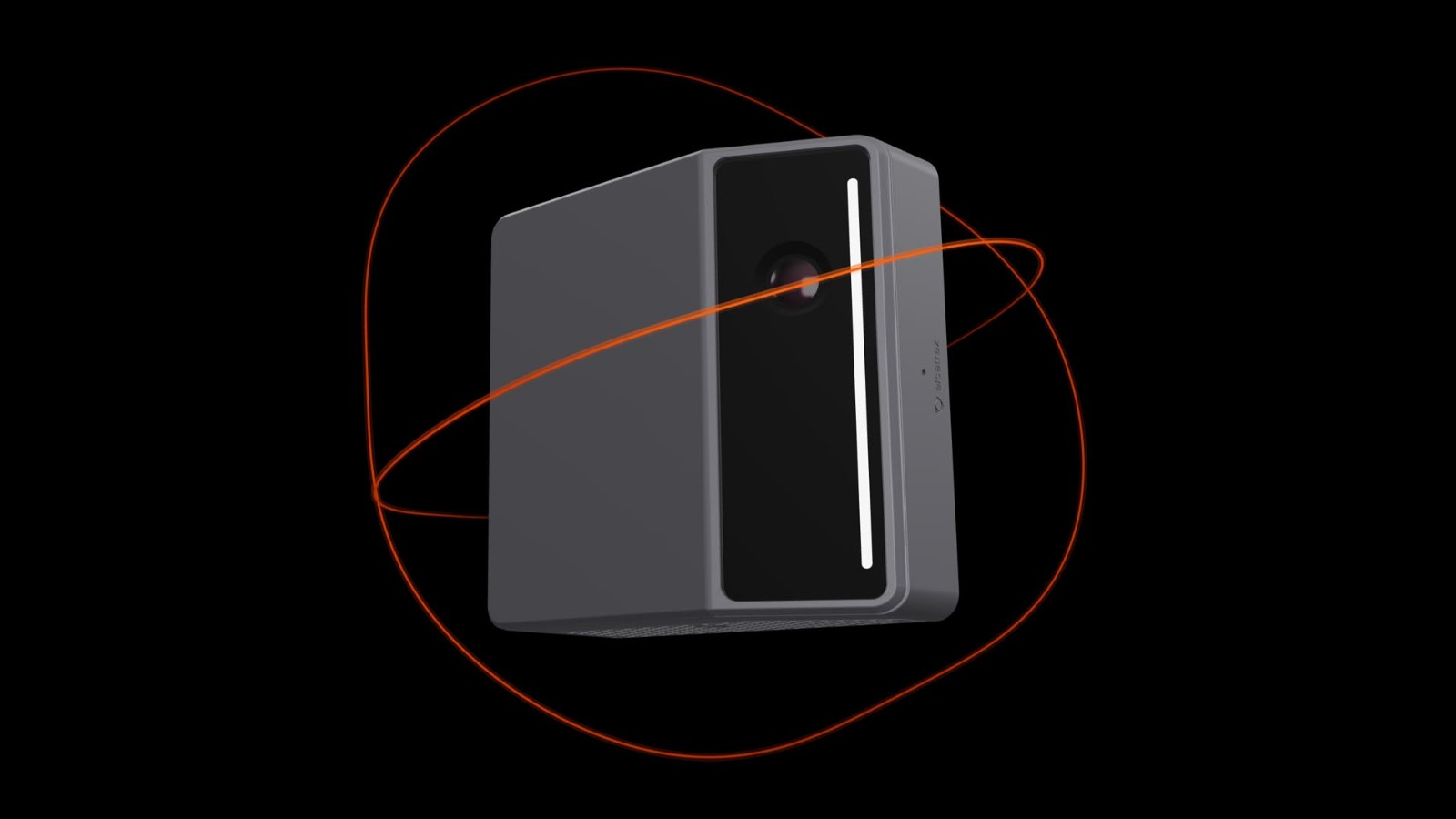
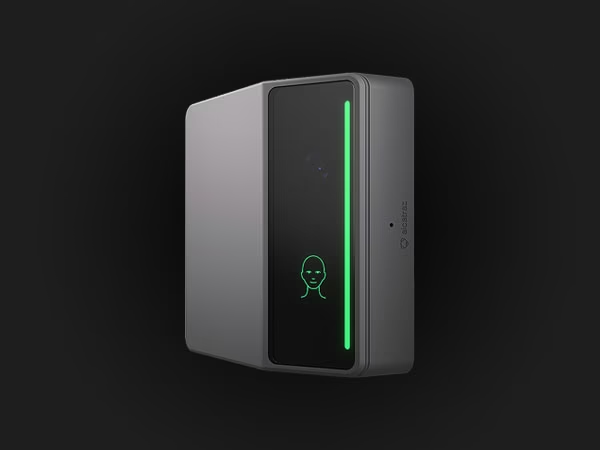
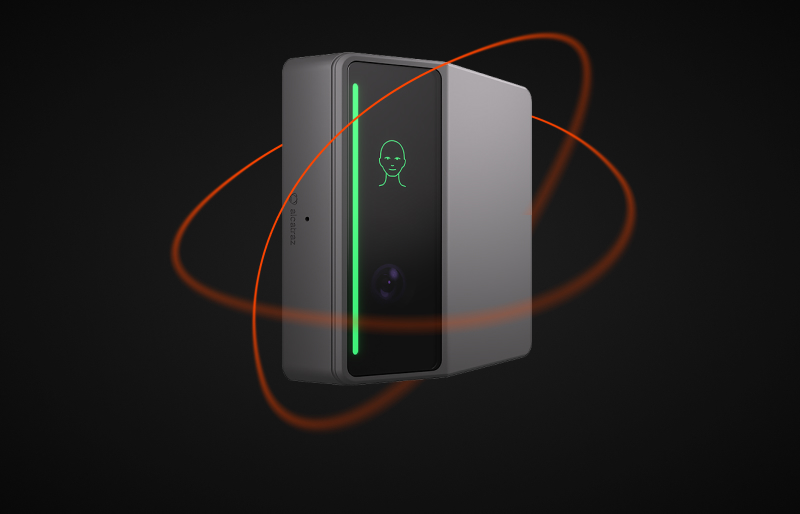
Alcatraz AI supports autonomous access control through privacy-first facial authentication solutions like Rock X. By performing authentication at the edge and integrating seamlessly with existing access control systems, Rock X helps financial institutions modernize security without replacing existing infrastructure. The focus is on outcomes: stronger security, lower friction, and built-in privacy compliance.
Modernize physical security in finance today.
As financial institutions plan for the future, autonomous access control is becoming a core part of resilient, compliant, and scalable financial security systems. Organizations that modernize now are better positioned to protect assets, people, and trust - without slowing down the business. Curious to see how it's done? Book an Alcatraz Demo