

A complete guide to biometric facial authentication for secure physical access

In today's security landscape, traditional access control systems such as badges, PINs, and keycards are rapidly becoming outdated. These legacy methods are vulnerable to loss, theft, or sharing, creating gaps that attackers can exploit to bypass security controls.
Facial authentication, a form of biometric authentication, is transforming how we secure buildings and sensitive areas by providing a frictionless, secure, and privacy-focused way to verify identities. This evolution mirrors broader trends in physical access control and identity security, in which organizations increasingly prioritize seamless user experiences without compromising security.
Adoption of biometric solutions for access control is rising globally, with nearly 2 in 5 organizations now using biometrics for physical access — and this trend continues to grow as AI and machine learning enhance accuracy and performance.

What is facial authentication in biometrics?
Facial authentication refers to the process of verifying a person's identity by analyzing their unique facial features. Unlike traditional credentials (like badges or PINs), facial authentication uses biometric traits - characteristics inherent to an individual - to confirm access rights. As a subset of biometric authentication, it focuses on confirming who you are rather than what you have or what you know.
Facial biometric authentication differs from broader identification systems (often confused with facial recognition in surveillance). Authentication operates on a one-to-one or one-to-few matching basis using a closed database of enrolled individuals, ensuring confirmation occurs only with explicit consent. This makes facial authentication more privacy-aware and purpose-specific than surveillance identification systems.
How does biometric authentication work step-by-step?
Facial authentication typically follows a sequence of steps to verify an individual's identity:
- Image Capture: A camera captures a live image of the user's face.
- Facial Feature Extraction: Unique features - such as the distance between the eyes, nose shape, and contours- are extracted and converted into a digital biometric template.
- Matching: The captured biometric template is compared against stored templates of enrolled users.
- Access Decision: If there is sufficient similarity, access is granted; if not, access is denied.
Three Core components of biometric authentication systems
Effective biometric authentication relies on several integrated technologies:
- Face Detection and Analysis: Advanced algorithms identify faces in the camera frame and isolate key features.
- Encrypted Biometric Templates: Instead of storing raw images, systems convert facial features into secure, encrypted templates for privacy and security.
- Decision Logic: Secure matching algorithms determine whether the captured biometric pattern aligns with an authorized profile.
Role of AI, machine learning, and liveness detection
Artificial intelligence (AI) and machine learning are crucial to modern facial authentication. These systems handle challenging conditions such as varied lighting, facial expressions, or aging, and can detect attempts to spoof the system using static images or videos.
Techniques such as liveness detection, which verify the presence of a living person rather than a photo or mask, are standard components of secure biometric systems.

Facial authentication vs facial recognition: key differences
Although the terms are sometimes used interchangeably, facial authentication and facial recognition serve different purposes:
- Authentication: Verifies the identity of a known, enrolled person (1:1 or 1:few matching).
- Recognition: Seeks to identify an unknown individual by comparing against a broad database (1:many matching).
Authentication systems are focused on granting secure access to authorized users, whereas recognition systems may be used for broader identification (e.g., in surveillance, marketing, or law enforcement). The closed, consent-based approach of facial authentication reduces unnecessary data processing and aligns more closely with privacy best practices.
Why is facial authentication inherently more private?
Facial authentication prioritizes privacy by design. Users must opt in before being enrolled, and systems do not seek to identify bystanders. Because no personal data (such as name or demographic information) is required beyond consent and a secure biometric template, these systems are better aligned with privacy regulations such as GDPR, CCPA, and BIPA.
Why is facial authentication more secure than cards, badges, or PINs
Physical credentials like badges can be lost, stolen, or shared, creating vulnerabilities that undermine security.
Facial authentication eliminates many of these risks because:
- Faces cannot be forgotten or easily shared
- It is significantly harder to clone or replicate facial biometrics than a badge or PIN
- Authentication happens at walking speed, improving throughput without sacrificing security
The simple fact that a person's face is always with them, unlike a card or token, makes biometric authentication both more secure and user-friendly.
Core Principle: Your face is a credential
- Always present: Users don't need to carry anything.
- Cannot be forgotten: Unlike cards or passwords.
- Cannot be easily cloned: Biometric templates, especially those that use depth and AI-driven features, are near-impossible to replicate.
Facial authentication and zero-trust physical access
In modern security frameworks, Zero Trust principles are increasingly applied to physical access control. Traditional models assume that being "inside" a building equates to trust. Zero Trust challenges that assumption by requiring continuous verification of identity - not just once at the perimeter.
Facial authentication fits naturally into this model as a passive second factor that enables multi-factor authentication (MFA) without slowing authorized traffic. It helps ensure that access decisions are based on identity and risk context, strengthening protection at every door and zone.
Solving real-world access control problems with facial authentication
Proximity cards, once ubiquitous for access control, have faced supply chain issues and ongoing administrative costs. The global chip shortage since the early 2020s has made these cards harder to source, forcing organizations to explore alternatives. By reducing reliance on physical tokens and integrating facial biometrics, institutions simplify operations and cut long-term costs.
Additionally, Facial authentication can either replace traditional credentials entirely or act as a layered multi-factor authentication (MFA) solution alongside existing access control systems. Crucially, modern solutions can be deployed without ripping and replacing existing infrastructure and can integrate with current access control systems via standard interfaces.
3 business benefits of facial authentication
1. Enhanced security
Facial biometric systems use unique identifiers that cannot be easily shared or faked. Features like 3D depth scanning and AI-driven tailgating detection enhance protection against unauthorized access.
2. Frictionless user experience
Biometric authentication is touchless and seamless, often occurring at walking speed, eliminating the need for physical interaction and reducing friction. This convenience aligns with user expectations shaped by consumer devices, where biometrics are already commonplace.
3. Privacy-first by design
Encrypted biometric templates and transparent consent protocols reduce risk and protect users' personal data. Unlike systems that store raw images, biometric access control systems convert data into encrypted templates that cannot reconstruct the original biometric image.
How Alcatraz AI delivers privacy-first facial authentication?
Rock X Facial Authentication Device, Stadiums and high-traffic venues
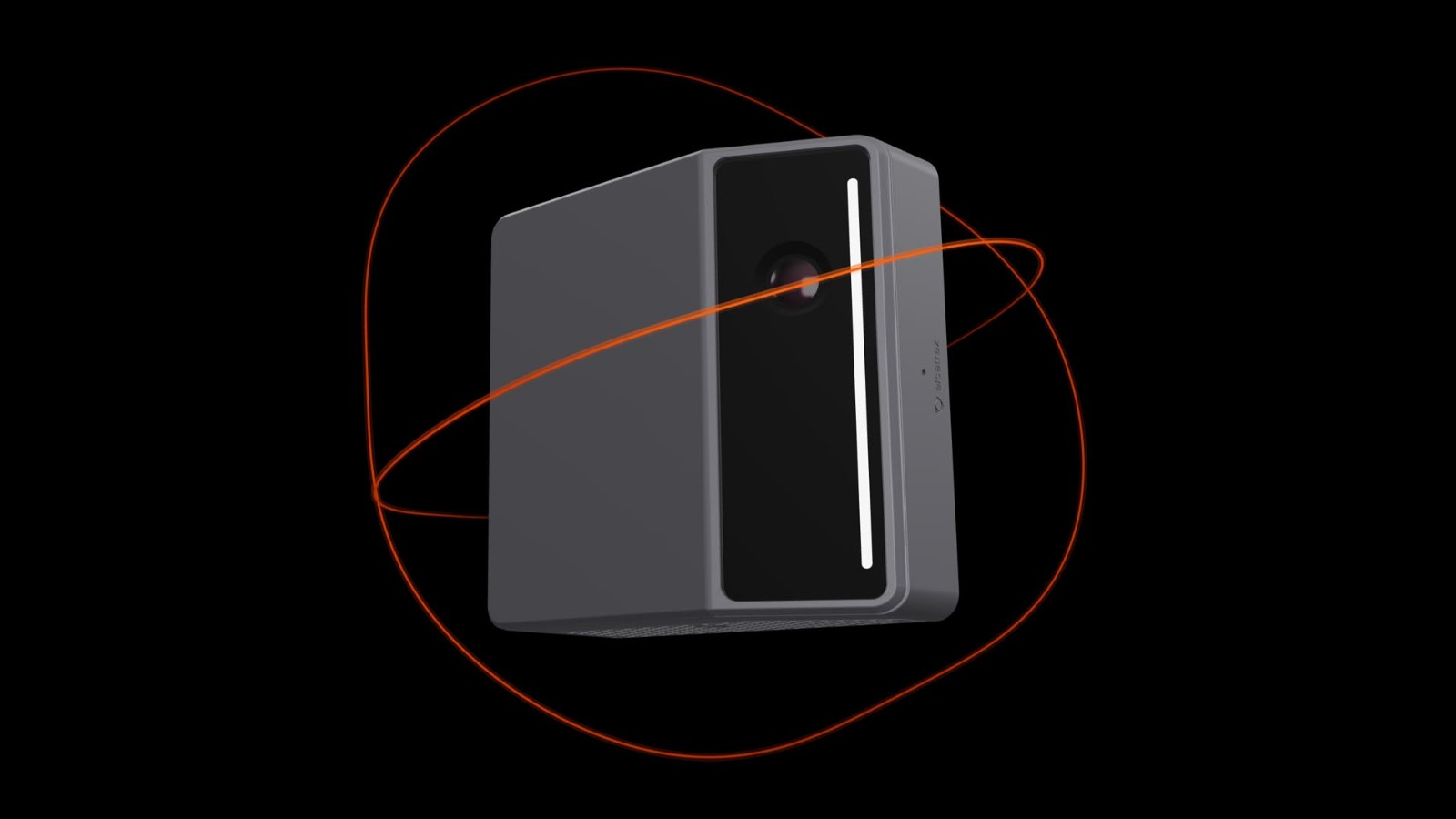
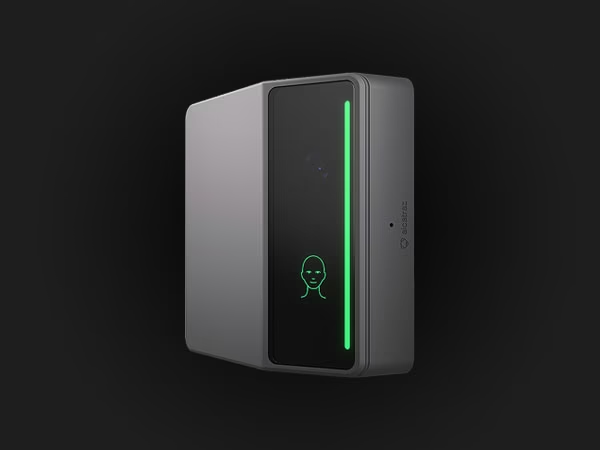
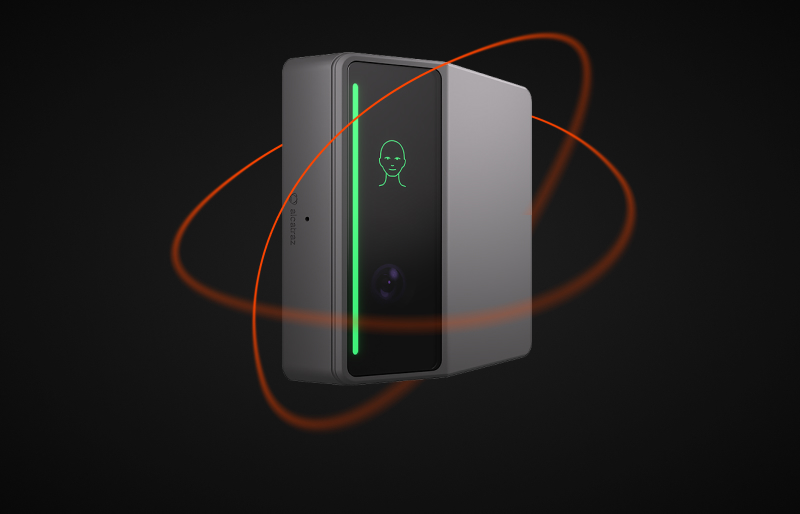
Alcatraz AI's Rock X is a facial authentication device designed to deliver secure, frictionless access. It uses edge-based AI decision-making and works with standard access control interfaces like Wiegand or OSDP, enabling deployment without replacing existing systems. Rock X provides reliable performance indoors and outdoors, with integrated tailgating detection and video capabilities that enhance overall security posture.
Built for Compliance, Security, and Trust
Rock X is engineered with privacy and compliance at its core, adhering to frameworks like GDPR, CCPA, and BIPA. It uses military-grade encryption (AES-256) and strict data segregation policies to ensure biometric templates remain secure and manageable over time.
Where Facial Authentication Is Used Today
Facial authentication is already deployed across a variety of sectors, reinforcing its maturity and practical value:
- Enterprise offices, for streamlined employee access
- Data centers, where high assurance is essential
- Financial institutions, protecting sensitive areas
- Healthcare and life sciences, balancing security with care delivery
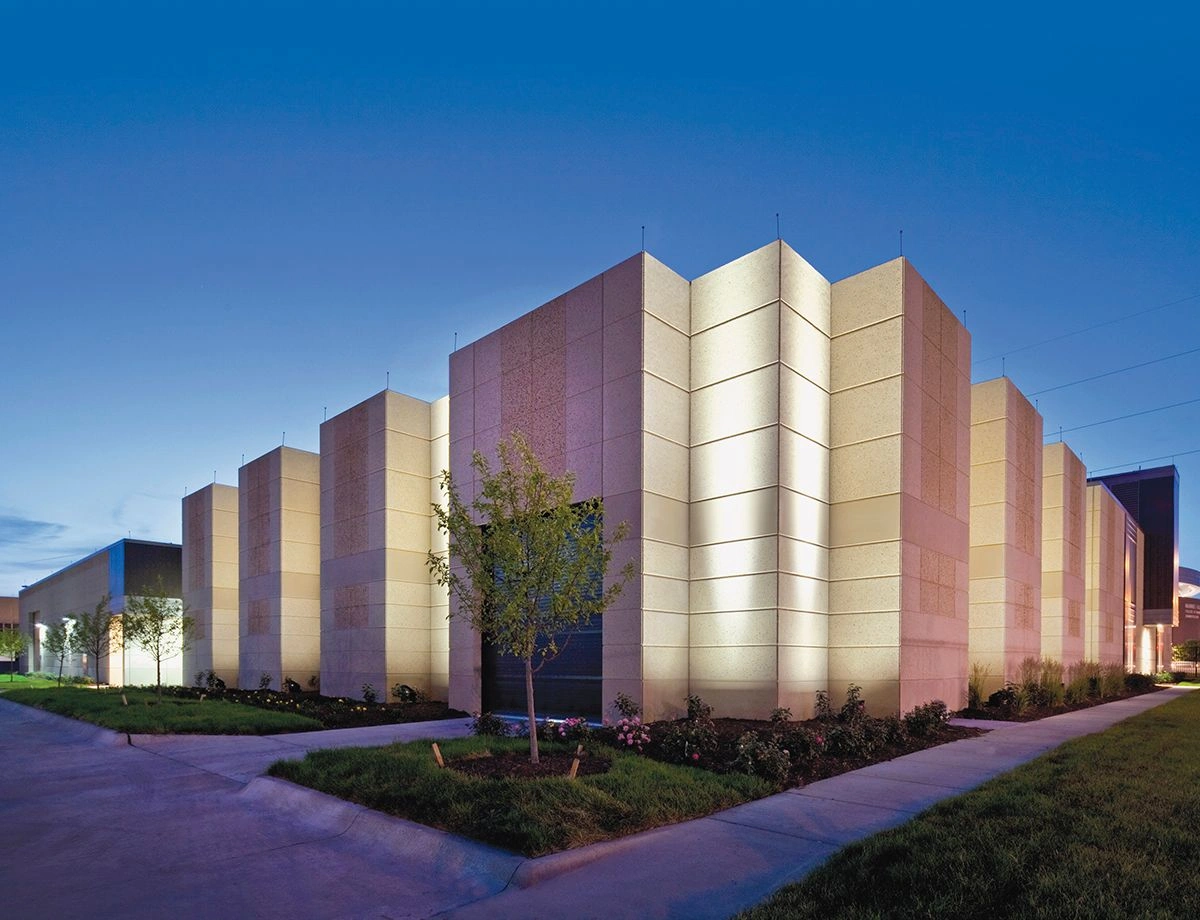
- Stadiums and high-traffic venues, supporting large flows of people
These real-world applications show that biometric systems are not experimental - they are mission-critical infrastructure.
Common Myths and Challenges in Facial Authentication
Despite its benefits, facial authentication is often misunderstood.
Common concerns include:
- "It’s just facial recognition technology" - No; authentication is consent-based and purpose-specific.
- "It invades privacy" - Systems designed with privacy in mind minimize data exposure and misuse.
- "It’s slow or inaccurate" - Modern AI and liveness detection deliver high accuracy even in varied lighting.
- "It requires replacing existing systems." - Many solutions integrate with current infrastructure without an overhaul.
Addressing these myths helps organizations make informed decisions aligned with both security and user trust.
Conclusion: the future of physical access is identity-based
Security today and in the future should be rooted in identity, not in credentials that can be lost, shared, or stolen. Facial authentication bridges the gap between security, privacy, and usability in a way that legacy systems cannot match.
As organizations modernize their access control strategies, biometric authentication stands out as both a practical and forward-looking solution. To explore how biometric facial authentication can enhance your physical security posture, book a demo of the Alcatraz AI Rock X or contact us today.