




Transforming biometric turnstile access control: from mechanical barriers to intelligent decision-makers

The modernization of turnstile biometric access control is one of the most significant advances in physical security since their original introduction in 1928. What started as purely mechanical barriers has now transformed into intelligent, AI-powered decision-making platforms that authenticate users at the speed of life while maintaining the highest security standards.
Why does this transformation matter? Access control experiences 119% growth over the last 5 years from 2021 to 2025, driven by organizations recognizing that traditional mechanical turnstiles cannot meet modern security demands.
Biometric turnstile systems are a cornerstone of comprehensive security infrastructure, protecting everything from corporate lobbies to government facilities.
Today's intelligent turnstiles perform multiple critical functions that extend far beyond basic entry control:
- Real-time identity verification using advanced facial authentication technology
- Automated tailgating detection that prevents unauthorized followers
- Seamless integration with existing access control systems via OSDP/Wiegand protocols
- Privacy-first architecture that processes biometric data at the edge without cloud transmission
- Comprehensive analytics that provide actionable insights for facility management
What is a biometric turnstile?
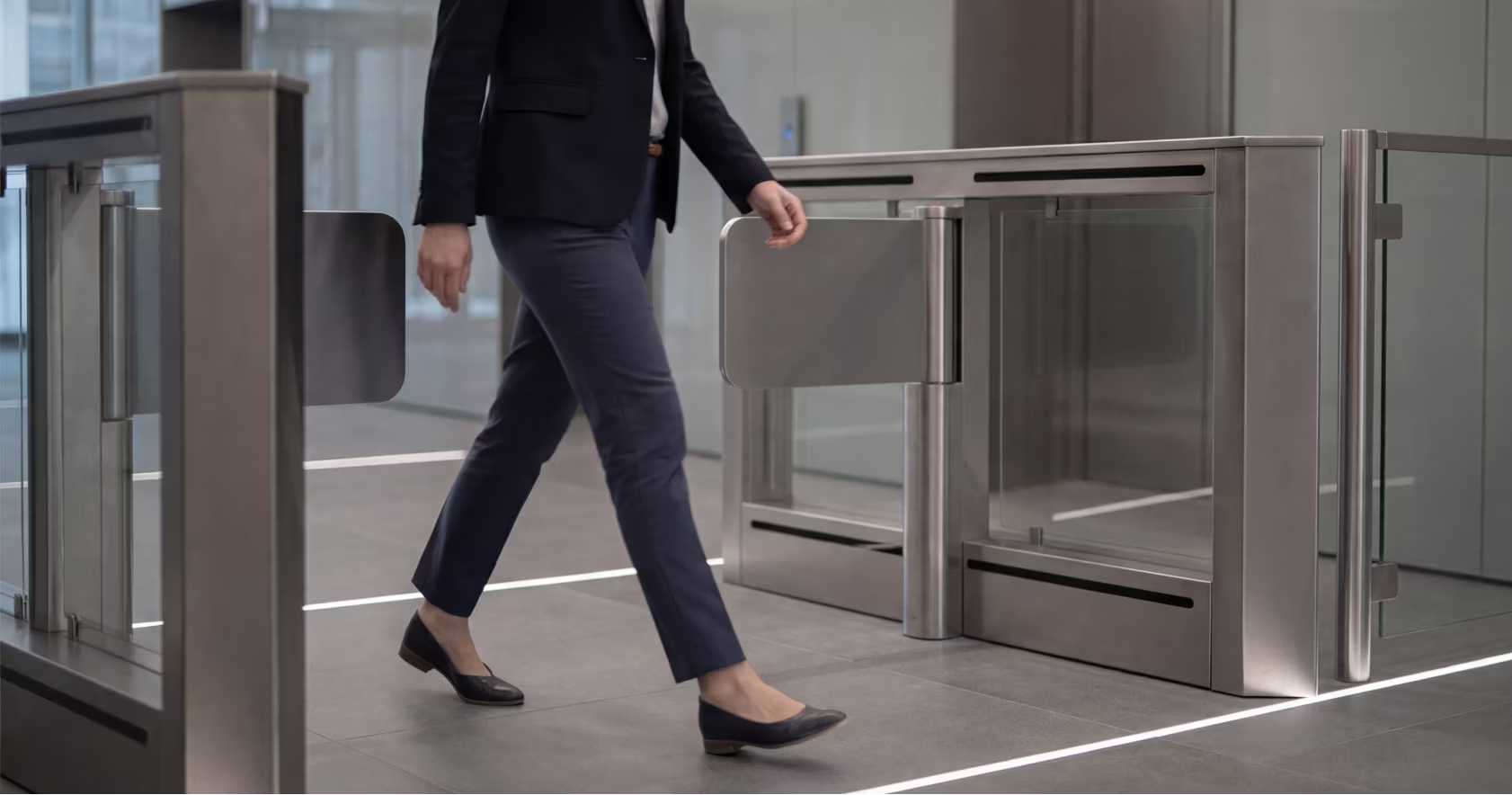
A biometric turnstile integrates advanced identity verification technology directly into traditional turnstile hardware, creating autonomous access control systems that authenticate users through unique biological characteristics rather than cards or credentials that can be lost, stolen, or shared.
Modern biometric turnstiles make a shift from reactive to proactive security management. Instead of simply checking whether someone possesses a valid credential, these systems verify the actual identity of each person seeking access. This approach addresses the critical security gap that 81% of consumers consider biometrics a more secure method of identity verification compared to traditional methods.
Key components of modern biometric turnstiles:
- Biometric sensors - Facial recognition cameras, fingerprint scanners, or iris detection systems
- Edge processing units - AI-powered computers that analyze biometric data locally without cloud dependence
- Barrier mechanisms - Optical sensors, mechanical gates, or retractable barriers that control physical access
- Integration interfaces - OSDP, Wiegand, or IP-based connections to existing access control systems
- Detection algorithms - Anti-tailgating technology that identifies multiple persons attempting single-credential access
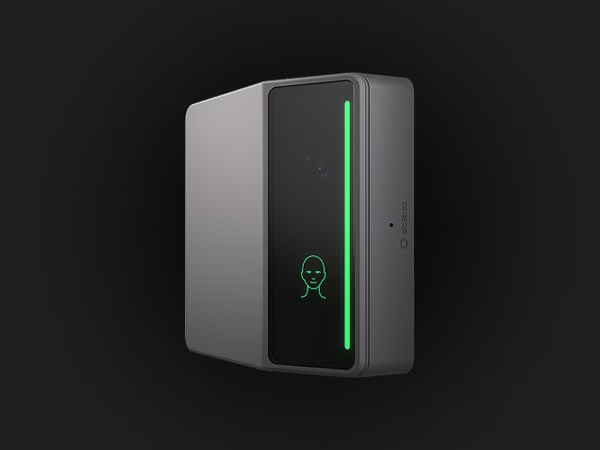
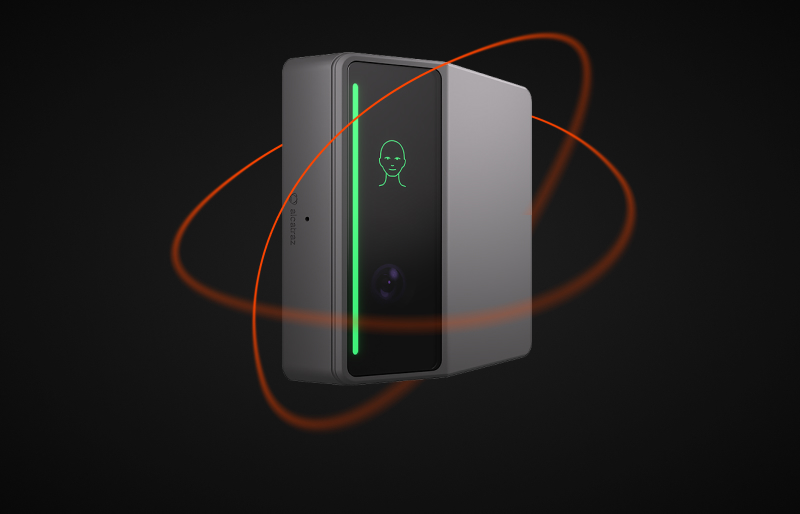
The distinction between basic turnstiles and biometric turnstile systems becomes clear when examining authentication speed and accuracy. AI Facial authentication systems like Alcatraz authenticate users at walking speed using machine learning algorithms that continuously improve accuracy through autonomous enrollment and liveness detection.
Advantages of pedestrian turnstiles, speedlanes and speedgates access control
Pedestrian turnstiles equipped with biometric technology deliver measurable operational advantages that traditional mechanical systems cannot match. The performance data speaks volumes about their effectiveness in real-world deployments.
- Improved Throughput Performance:
- Full Height turnstiles: 20-30 people per minute with traditional card readers
- Waist High turnstiles: 25-40 people per minute for standard installations
- Optical turnstiles (like Alcatraz): 45-60 people per minute with biometric authentication
- Elimination of credential sharing - Unlike traditional badge-based systems, biometric authentication cannot be transferred between individuals, addressing the fundamental weakness where 60% of organizations still using ID badge access control face security vulnerabilities from shared or compromised credentials.
- Real-time tailgating detection - Advanced tailgating detection systems use multiple sensors and AI algorithms to identify when unauthorized individuals attempt to follow legitimate users through entry points.
- Comprehensive audit trails - Every authentication event creates detailed logs that definitively identify who accessed what areas and when, eliminating the uncertainty inherent in traditional card-based systems.
- Reduced administrative overhead - Biometric systems eliminate the cost and complexity of managing physical credentials, card replacements, and temporary access provisioning for contractors or visitors.
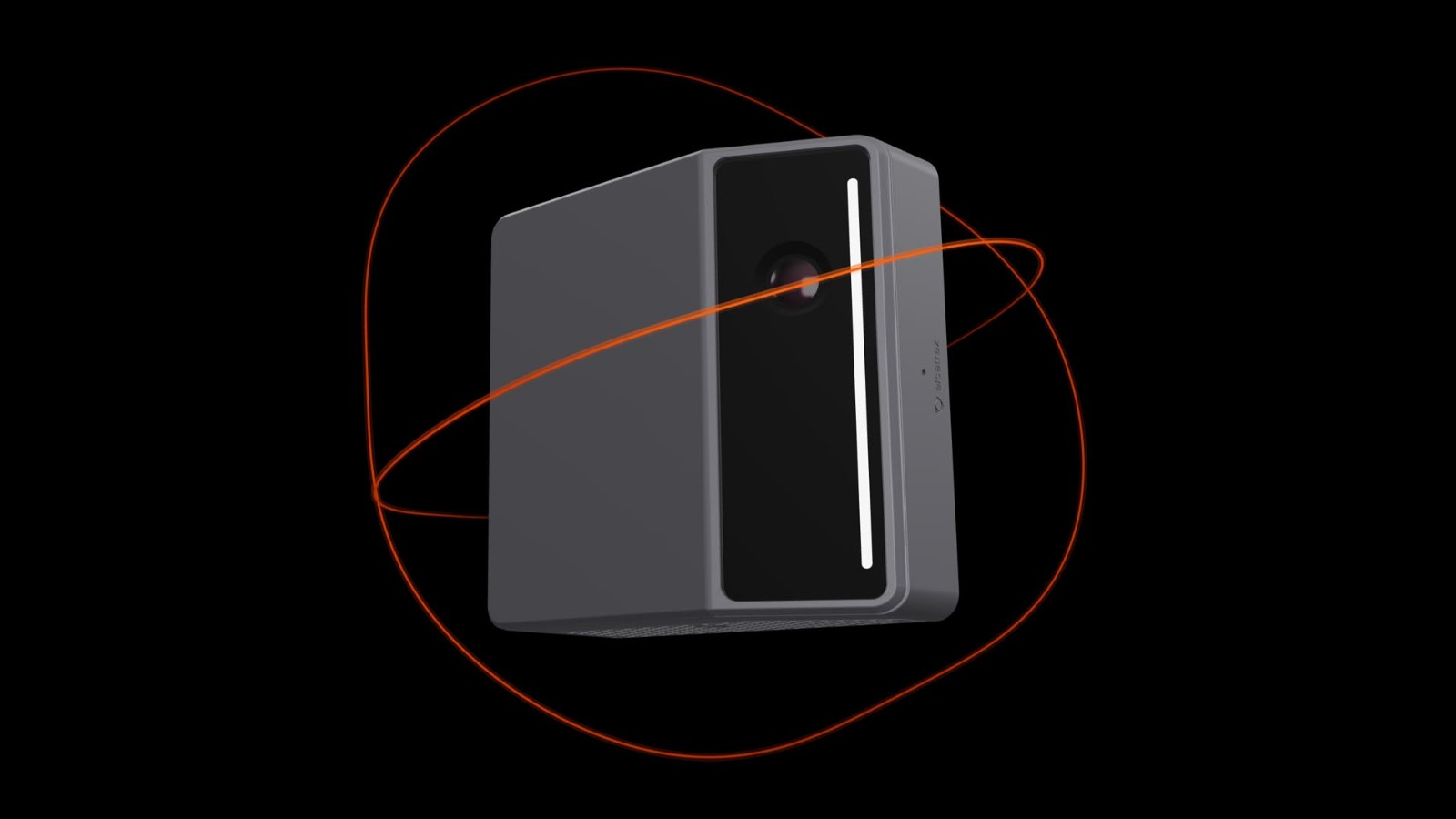
- Seamless user experience - Biometric access platforms like Alcatraz Rock X authenticate users at walking speed without requiring them to stop, present cards, or interact with readers.
- Integration compatibility - Modern biometric turnstiles integrate seamlessly with existing infrastructure through standard protocols, enabling organizations to enhance security without replacing entire access control systems.
Types of biometric turnstiles, and their pros and cons
Understanding the practical differences between biometric turnstile configurations helps facility managers select systems that match their operational requirements and user expectations.
Facial recognition turnstile gates
The speed-of-life advantage positions facial recognition as the preferred choice for high-throughput environments. Alcatraz Rock X biometric turnstiles authenticate users at walking speed without requiring stops or physical contact, enabling throughput rates that exceed traditional systems by several times.
Operational benefits include:
- Walking-speed authentication - Users maintain normal pace without slowing for scanner interaction
- Hands-free operation - Eliminates contact points that require maintenance and create hygiene concerns
- Multi-directional detection - Advanced algorithms track movement patterns to prevent tailgating attempts
- Weather resistance - IP66-rated systems operate reliably in outdoor and harsh environmental conditions
- Privacy compliance - Edge processing ensures biometric data never transmits to cloud servers
Facilities with variable lighting may require additional infrastructure planning, though modern systems like Alcatraz facial authentication adapt automatically to changing environmental conditions, providing accurate results in snow, rain or sunshine.
Cost factors typically involve higher initial hardware investment offset by lower ongoing maintenance compared to contact-based systems. The elimination of worn sensor replacements and reduced cleaning requirements deliver long-term operational savings.
Fingerprint turnstile gates
Traditional fingerprint systems require users to place their finger on scanning surfaces up to 1-2 seconds during authentication. While mature and widely accepted, these systems face throughput limitations in high-traffic scenarios.
Operational characteristics include:
- Consistent accuracy - Established technology with well-understood performance parameters
- User familiarity - Most people understand fingerprint scanning from smartphone usage
- Lower hardware costs - Mature technology offers competitive initial pricing
- Maintenance requirements - Scanning surfaces require regular cleaning and sensor replacement
Throughput limitations of fingerprint readers become apparent during peak usage periods. Where optical turnstiles achieve 45-60 people per minute, fingerprint systems typically process 15-25 people per minute due to required interaction time.
Another downside of fingerprint turnstiles are the environmental challenges. These affect fingerprint systems more than facial recognition. Wet, dirty, or damaged fingers can cause authentication failures, requiring backup authentication methods or manual override procedures.
Fingerprint readers often integrate through standard Wiegand protocols, and modern biometric access control systems offer enhanced features through IP-based connections that provide richer data and remote management capabilities.

How does the biometric turnstile realize access control and attendance?
Authentication workflow begins when motion sensors detect approaching users. Advanced security platforms like Alcatraz begin facial recognition processing before users reach the turnstile, enabling seamless authentication at walking speed.
Real-time processing steps:
- Motion detection triggers camera systems to begin capturing biometric data
- Template matching compares captured biometrics against enrolled user database
- Access decision determines authorization based on user credentials and time-based rules
- Barrier control activates mechanical or optical barriers to allow or deny passage
- Event logging records authentication attempts, successful entries, and security exceptions
Attendance integration occurs simultaneously with access control through direct database connections. This enables modern biometric systems to automatically log entry and exit events, creating comprehensive attendance records without separate time clock systems.
On top of that, database synchronization ensures real-time updates across multiple entry points.
When employees enroll at one location, their biometric templates become immediately available at all connected turnstiles throughout the facility network.
Adding Multi-factor authentication to your workflows can further boost the security using secondary verification through mobile apps, PIN codes, or temporary credentials issued by security personnel.
Edge-based processing systems like Alcatraz maintain full functionality during network outages, while cloud-dependent systems may experience service interruptions that affect access control operations.
5 Steps to Choose the Perfect Biometric Turnstile for Your Business
Security directors need a systematic evaluation framework to select systems that deliver measurable results. This assessment methodology eliminates guesswork and prevents costly implementation failures.
Step 1: quantify your throughput requirements
Conduct a 48-hour traffic analysis during your busiest operational periods. Record entry attempts every 15 minutes to identify peak demand windows.
Calculate minimum system capacity:
- Count simultaneous arrivals during shift changes
- Time current badge authentication delays
- Add 30% buffer for emergency situations
- Document queue lengths during lunch rushes
Critical thresholds:
- 20-30 people/minute: Full height turnstiles suffice
- 30-45 people/minute: Waist high systems meet demand
- 45+ people/minute: Optical turnstiles required
Actionable output: Specific throughput requirement (people per minute) with documented peak periods and capacity constraints.
Step 2: assess integration complexity with current systems
Document existing infrastructure before vendor discussions begin. Gather technical specifications for current access control panels, door controllers, and network architecture.
Integration checklist:
- Protocol compatibility (OSDP, Wiegand, TCP/IP)
- Power requirements and availability at install locations
- Network connectivity options and bandwidth limitations
- Database integration capabilities with HR systems
- Mobile credential support requirements
Test integration scenarios with biometric access control compatibility guides to identify potential roadblocks before procurement.
Step 3: evaluate environmental and physical constraints
Site survey requirements determine equipment specifications and installation costs. Measure physical dimensions, power access, and environmental conditions at each proposed location.
Environmental assessment:
- Operating temperature ranges (-40°C to 60°C for outdoor)
- Ingress protection ratings (IP66 minimum for exposed areas)
- Lighting conditions and camera positioning requirements
- Physical space constraints for equipment placement
Mounting considerations:
- Wall-mount options for space-constrained areas
- Pedestal installations for high-traffic zones
- ADA compliance for wheelchair accessibility
- Vandal resistance requirements for public areas
Step 4: define security and compliance requirements
Regulatory obligations vary by industry and location. Document specific compliance requirements before system selection to avoid costly retrofits.
Security framework assessment:
- Multi-factor authentication requirements
- Audit trail and reporting capabilities needed
- Privacy compliance (BIPA, CCPA, GDPR) obligations
- Data retention and deletion policies required
Risk tolerance evaluation:
- Acceptable false acceptance rates (typically <0.001%)
- False rejection tolerance (impacts user experience)
- Backup authentication methods during system failures
- Integration with security incident response procedures
Actionable output: Security requirements matrix with compliance obligations and risk tolerance parameters clearly defined.
Step 5: calculate total cost of ownership over 5 years
Budget analysis extends beyond initial hardware costs to include ongoing operational expenses, maintenance, and hidden fees that impact ROI.
Cost components to evaluate:
- Hardware costs per entry point
- Installation and configuration services
- Annual licensing and support fees
- Badge elimination savings (typically $15-50 per employee annually)
- Administrative overhead reduction quantification
ROI calculation methodology:
- Current access control operational costs
- Projected biometric system expenses
- Quantified efficiency gains and security improvements
- Break-even timeline analysis
Actionable output: 5-year TCO comparison with ROI timeline and cost-benefit analysis supporting procurement decisions.
Overcoming Common Biometric Turnstile Objections
Security professionals encounter predictable resistance when proposing biometric access control upgrades. These proven response strategies address concerns with specific data and technical solutions.
"Our employees will revolt against facial recognition surveillance"
What you hear: "This feels like Big Brother watching my every move.”
People value their privacy and won't accept cameras tracking them.
Alcatraz response: Alcatraz processes biometric templates at the edge without cloud transmission or image storage. The system creates mathematical representations of facial features, not photographs. Employees experience faster entry without privacy compromise - templates cannot reconstruct identifiable images.
"The upfront investment is too expensive to justify"
What you hear: "Badge systems work fine. Why spend hundreds of thousands on fancy technology when we have bigger priorities?"
Alcatraz response: Calculate badge replacement costs, administrative overhead, and security incident expenses. Organizations typically spend $15-50 per employee annually on credential management. Multi-factor authentication systems eliminate these recurring expenses while reducing security breach risks that average $4.45 million per incident.
"Biometric systems fail when we need them most"
What you hear: "What happens during power outages, network failures, or when the system crashes? We can't lock people out during emergencies."
Alcatraz response: Edge-based processing maintains full operation during network outages. Battery backup systems provide 8+ hours of autonomous operation. The Rock X biometric device includes fail-safe modes that unlock barriers during emergencies while maintaining security logging.
"Implementation will disrupt operations for months"
What you hear: "We can't afford downtime while installing new systems. Our operations run 24/7 and any interruption costs money."
Alcatraz response: Phased deployment strategies maintain existing badge readers during biometric enrollment. Systems operate in parallel until full transition completion. Installation occurs during off-hours with zero operational impact.
Supporting evidence: Average deployment completes within 2-4 weeks with less than 4 hours total downtime per entry point.
"False rejections will frustrate employees and slow operations"
What you hear: "What if the system doesn't recognize someone? We'll have angry employees stuck outside and productivity will suffer."
Alcatraz response: Modern systems achieve <0.1% false negative rates through adaptive learning algorithms. Advanced facial authentication automatically updates templates as appearance changes occur. Backup authentication via mobile app or security override prevents lockouts.
"Our diverse workforce will create bias issues"
What you hear: "Facial recognition doesn't work well with different ethnicities, ages, or people wearing glasses. We'll face discrimination lawsuits."
Alcatraz response: NIST-tested algorithms demonstrate consistent performance across demographic groups. Systems undergo bias testing during development and deployment. Identity verification solutions include accommodation protocols for users with accessibility needs.
Conclusion: AI-enabled biometric turnstiles are the future of access control
60% of organizations still using ID badge access control face measurable risks from credential sharing, lost cards, and unauthorized access. The question isn't whether biometric turnstiles work - it's whether you'll implement them before or after your next security incident makes headlines.
There are Two paths forward:
Path 1: Continue managing badge replacements, investigating tailgating incidents, and explaining security failures to executives while competitors upgrade their infrastructure.
Path 2:Schedule a demo of walking-speed facial authentication that eliminates credential vulnerabilities and delivers ROI through operational efficiency gains.