




Tailgating attack: how to identify and prevent unauthorized access

A warehouse employee swipes their badge at 7:45 AM. The door clicks open. Three people walk through. Only one was authorized.
That's a tailgating attack. It happens thousands of times daily across corporate facilities. The person who entered without credentials might be a contractor who forgot their badge, or they might be someone with malicious intent. Either way, your security just failed.
Tailgating attacks exploit the most vulnerable element in any security system: human nature. Organizations face mounting pressure from insider threats, which an average insider threat incident costing an average of $17.4 million per company. When you combine credential vulnerabilities with physical security gaps, you create the perfect conditions for unauthorized access.
Key takeaways
- The Hidden Cost: Tailgating attacks exploit human nature and security gaps, contributing to insider threats that cost organizations an average of $17.4 million annually.
- Legacy Tech Failure: Traditional keycards and PINs only verify the credential, not the person, leaving facilities vulnerable to lost, stolen, or shared badges.
- The AI Solution: Facial authentication eliminates tailgating by verifying the individual’s identity—not just their card—supporting a strict Zero Trust security model.
- Holistic Defense: Preventing unauthorized access requires a combination of frictionless biometric technology, automated threat detection, and a security-aware culture.

What is a tailgating attack?
A tailgating attack occurs when an unauthorized person gains physical access to a restricted area by following closely behind someone with legitimate credentials. The attack succeeds because access control systems authenticate credentials, not people.
The mechanics are straightforward. An employee badges in. The door unlocks. Before it closes, someone slips through behind them. The access control system records one entry, but two people are now inside.
This physical security breach creates multiple vulnerabilities. The unauthorized person now has access to sensitive areas, equipment, data, or personnel. Your visitor logs show nothing unusual, yet someone who should not be inside your corporate facility just walked straight past your security measures.
The real cost of tailgating in today's workplace
Security breaches stemming from physical access failures carry consequences that extend far beyond the initial incident. Understanding these costs helps security leaders build compelling cases for investment in prevention technologies.
Financial impact of security breaches
Data breaches now cost organizations an average of $4.44 million globally, with costs reaching a record $10.22 million in the United States. These figures reflect direct expenses like incident response, forensic investigation, and legal fees.
Operational disruption further compounds this damage. The average breach takes 60 days to contain after detection, diverting critical resources from strategic initiatives to crisis management for months.
Insider threats and credential vulnerabilities
Insider threats represent a growing portion of security incidents. The Ponemon Institute documented a 140% increase in insider incidents over the last seven years.
Credential abuse remains the most common attack vector, accounting for 22% of all data breaches in 2025. Traditional access control methods authenticate the credential, not the person holding it. When badges get lost, stolen, or shared, your security measures become useless.
Tailgating attacks amplify this threat by providing unauthorized individuals with the same physical access as legitimate employees.

Why tailgating attacks happen so frequently?
Understanding why these attacks succeed helps security teams address root causes rather than symptoms.
Human behavior and security complacency
People naturally want to be helpful and polite. Holding the door for someone behind you is an ingrained social behavior. Stopping to challenge every person following you through an entrance feels awkward and confrontational.
Attackers exploit this discomfort deliberately, often carrying boxes or engaging in conversation to appear legitimate.
Vulnerabilities in legacy access control systems
Traditional card-based and PIN-based systems authenticate credentials, not people. This fundamental limitation creates exploitable gaps:
- Cards can be lost, stolen, or duplicated without your security team's knowledge.
- PINs can be shared or observed by unauthorized individuals.
- Proximity readers only verify the credential, not whether the authorized person is actually present.
These systems lack real-time threat detection. They can't identify when multiple people enter on a single credential or alert security personnel to suspicious behavior at entry points.
High-risk environments for tailgating
Certain facilities face elevated tailgating risks based on their operational characteristics:
- Data Centers: With concentrated high-value assets in small footprints, the stakes are exceptionally high. A single unauthorized person can compromise multiple clients' infrastructure and critical systems.
- Multi-Tenant Office Buildings: Shared lobbies and elevators create confusion about who belongs where. Attackers blend in easily because seeing unfamiliar faces is the norm.
- High-Traffic Facilities: With dozens of vendors and contractors entering daily, distinguishing authorized guests from threats is difficult. Even vigilant employees cannot recognize everyone.
- Critical Infrastructure: Housing intellectual property makes these prime targets. A single tailgating incident could provide competitors with access to proprietary information worth millions.
Anti-tailgating solutions that actually work
Effective prevention requires technology that addresses the fundamental weakness in traditional access control: the inability to verify individual identities rather than just credentials.
- Biometric access control systems
Biometric access control systems authenticate people based on their unique physical characteristics rather than something they possess (a card) or know (a PIN). This fundamental shift eliminates the vulnerabilities that make tailgating possible.
Modern biometric systems verify identity through facial features or iris patterns, ensuring that only the authorized individual can gain access.
- Facial authentication access control
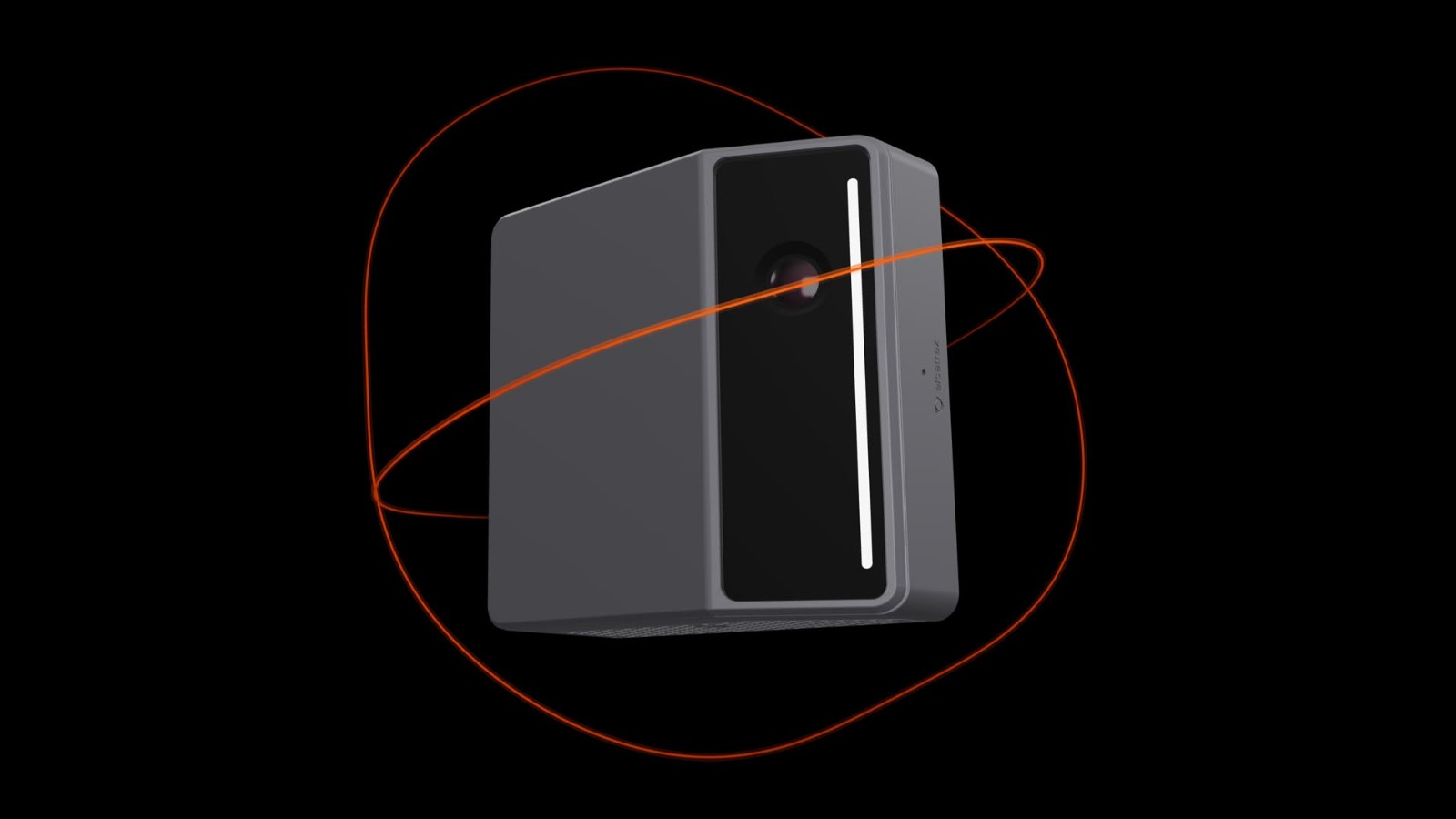
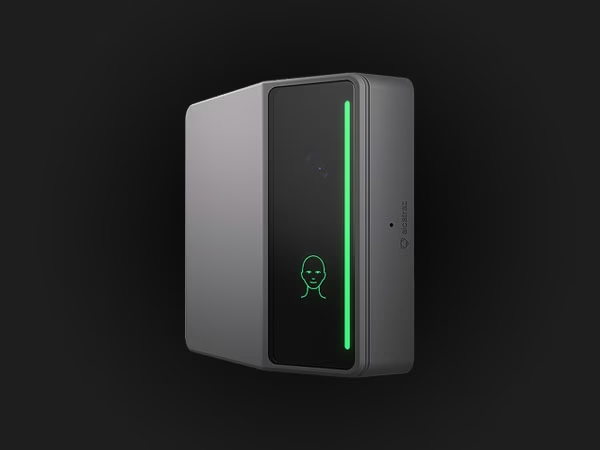
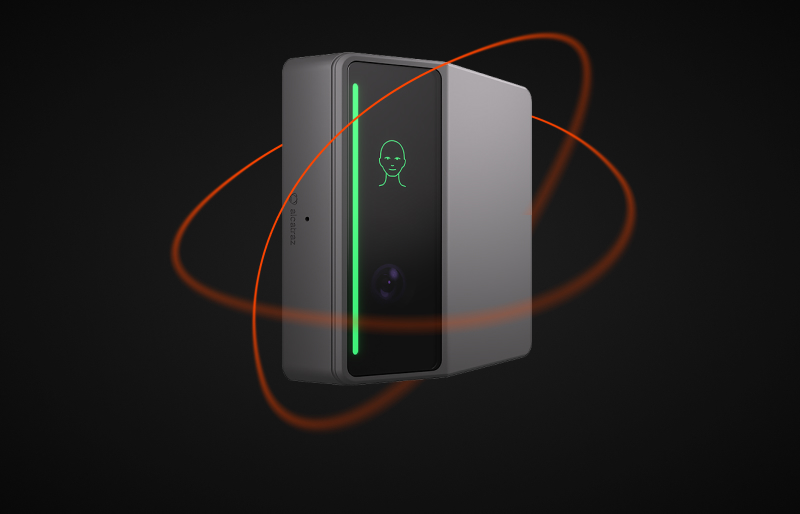
Facial authentication represents the most advanced approach to tailgating prevention. These systems use artificial intelligence and machine learning to verify that the person requesting access matches the enrolled user profile.
The technology works by analyzing facial features and converting them into encrypted mathematical templates. When someone approaches a secured entry point, the system captures their face, processes it instantly, and compares it against authorized users.
Advanced systems incorporate liveness detection to prevent spoofing through photos or masks. They distinguish between flat images and three-dimensional human faces, ensuring that only actual people can authenticate.
- Zero-trust physical security approaches
Zero-trust physical security applies the "never trust, always verify" principle to physical access control. This framework assumes that threats can come from anywhere and requires continuous verification at every access point.
Implementing zero trust in high-security environments requires technology that can verify individual identity without creating operational bottlenecks. Biometric authentication enables this verification while maintaining the frictionless experience that busy facilities require.
Building a comprehensive tailgating prevention strategy
Technology alone doesn't eliminate tailgating risks. Effective prevention requires a multi-layered approach that combines advanced systems with organizational policies.
Employee training and security awareness
Technology handles verification, but employees remain your first line of defense. Security awareness training should address:
- Why tailgating prevention matters to your organization
- How to recognize potential tailgating attempts
- When to challenge unfamiliar individuals
- Proper procedures for reporting security concerns
Make it clear that politely enforcing security policies is expected, not rude. Employees should feel empowered to direct unfamiliar individuals to proper entry procedures rather than holding doors or providing access.
Best practices for tailgating prevention
1. Establish clear policies
Badges and access cards should never be shared, even among colleagues. Employees should report lost or stolen credentials immediately.
2. Visitor management
All guests should register and be accompanied by authorized personnel in sensitive areas.
3. Monitor access logs
Automated alerts for unusual entry times, rapid successive entries, or access attempts at restricted locations can signal security issues. Automated alerts enable security teams to respond quickly to potential threats.
4. Deploy physical barriers
Turnstiles and speed gates, when paired with facial authentication, physically enforce one-person-per-credential policies.
Ready to eliminate tailgating risks at your facility?
Tailgating attacks exploit the gap between verifying credentials and verifying people. Advanced biometric access control closes this loop. It ensures only authorized individuals enter your facility, not just anyone holding a badge.
Alcatraz AI turns physical security into a robust defense. Our frictionless system prevents tailgating and eliminates credential sharing. It integrates seamlessly with your existing infrastructure. Request a demo today to elevate your access control strategy.