


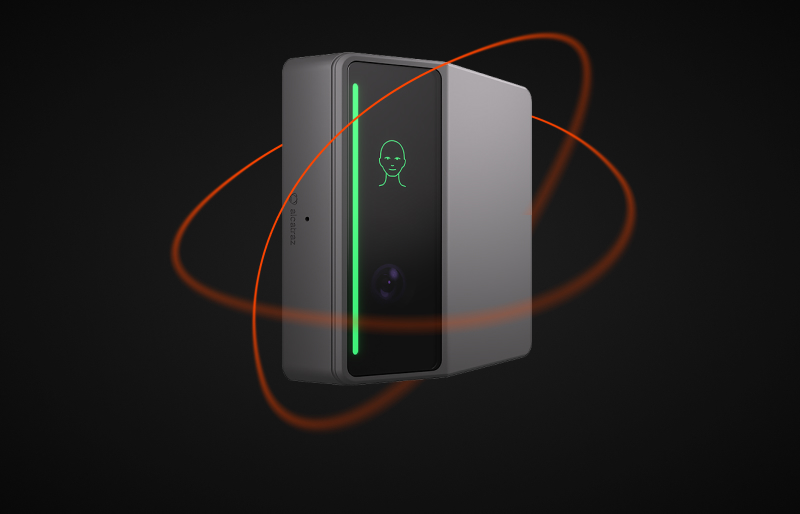


Modern campus access control: security solutions for higher education
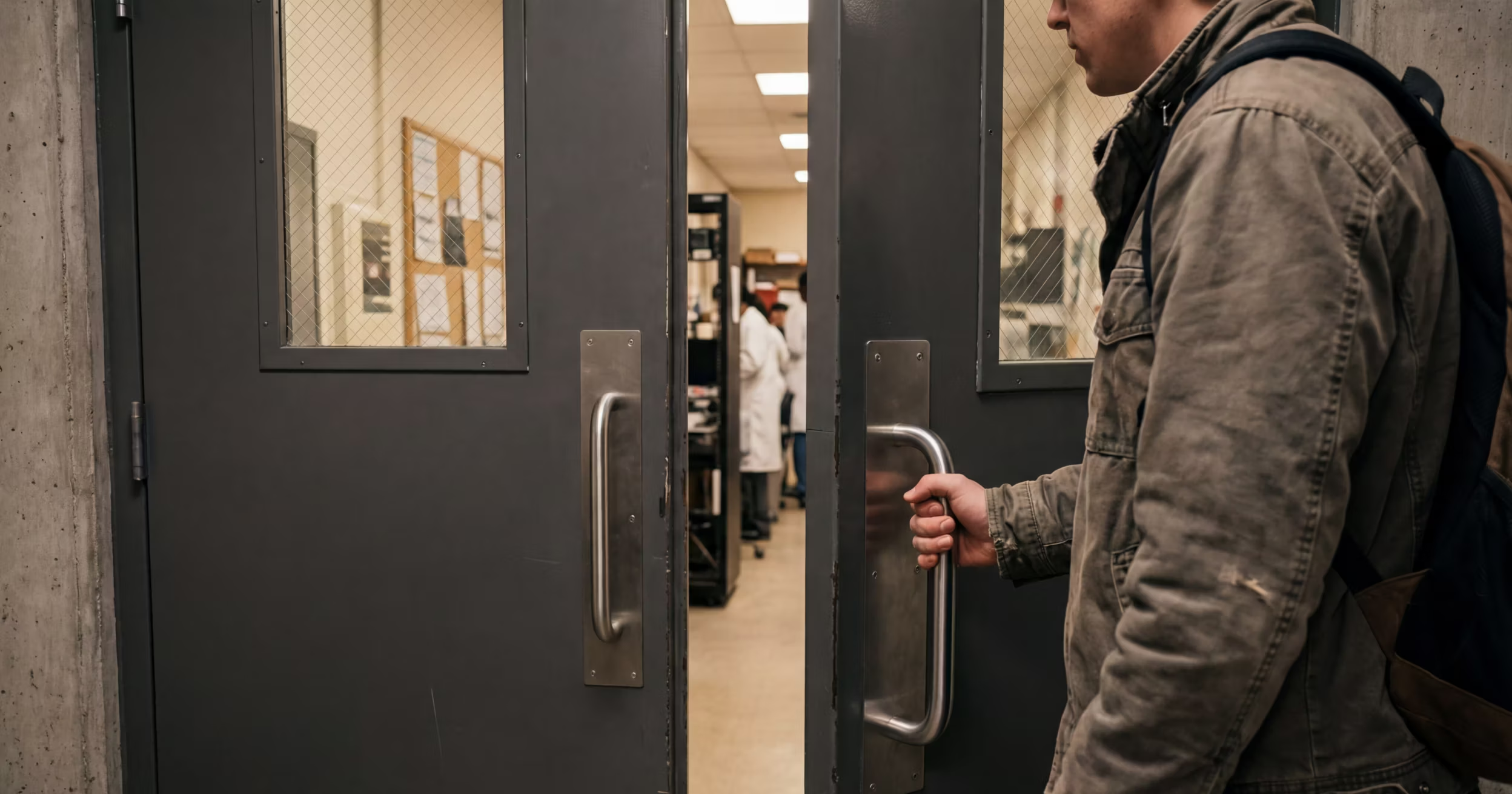
Students unlock their phones with their faces, authenticate banking apps with a glance, and breeze through airport security using biometric credentials. Yet on campus, they are still fumbling with lost keycards, forgotten PINs, and shared access badges that create security vulnerabilities.
Facial authentication fixes this by offering the smooth experience students expect. By replacing physical cards with a simple face scan, institutions can stop security breaches and improve privacy without slowing anyone down.
Key takeaways
- Reduce costs & risks: Traditional keycards drain over $200,000 annually in replacement fees while leaving campuses vulnerable to lost or shared credentials.
- Frictionless student experience: Enable access at walking speed to eliminate bottlenecks at high-traffic areas like dorms and recreation centers.
- Privacy-first design: Unlike surveillance, modern authentication is consent-based and fully encrypted, ensuring strict compliance with student privacy standards.
- Smarter emergency response: Leverage real-time occupancy data and instant lockdowns to improve emergency response times by 92.5%.
- Seamless integration: Solutions like the Rock work with your existing infrastructure, allowing for cost-effective upgrades without a full system overhaul.
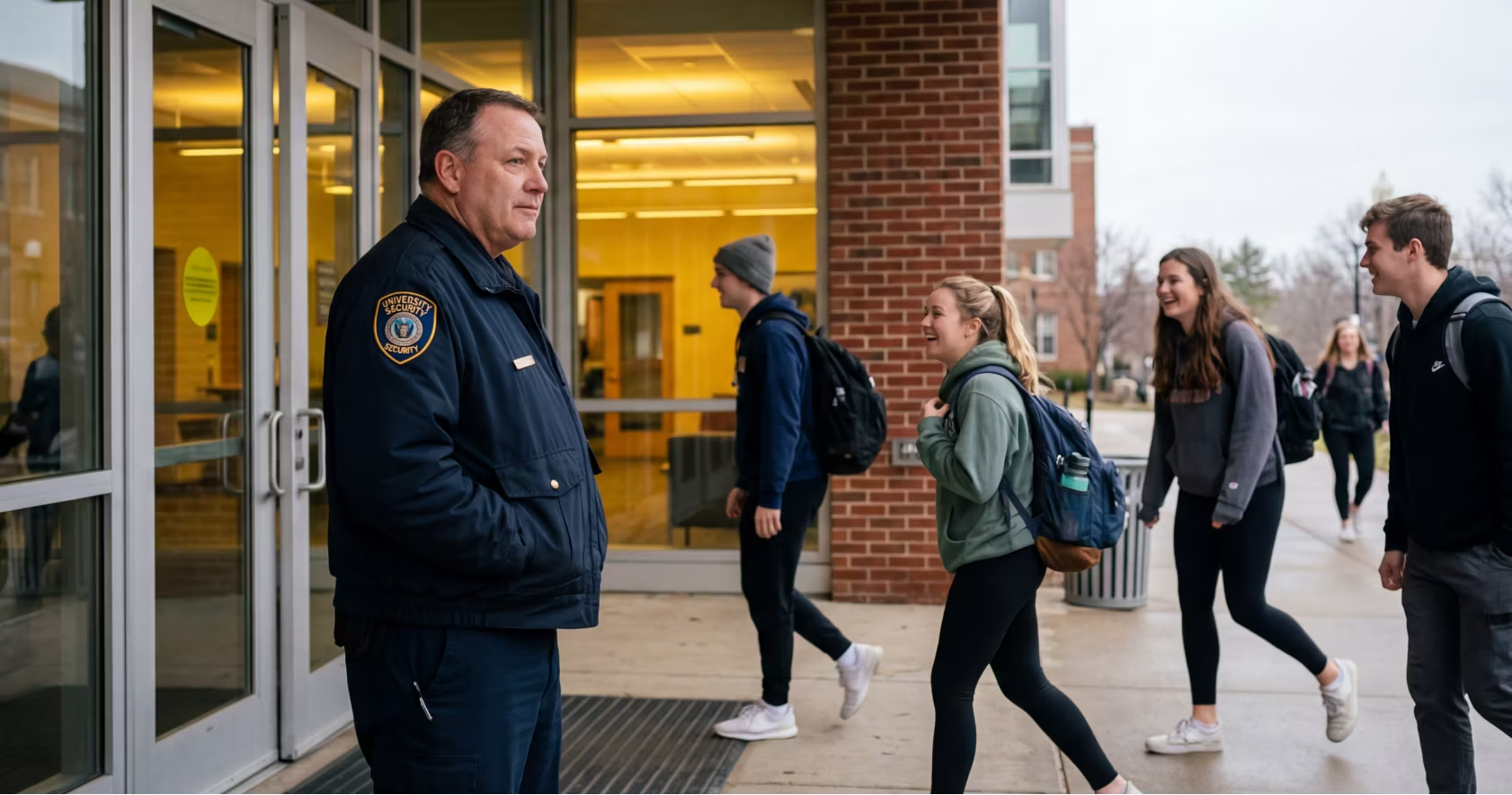
Why traditional campus security creates more problems than it solves
Physical access cards disappear at alarming rates. A university with 20,000 students replaces roughly 4,000 lost or stolen cards annually, costing over $200,000 in replacement expenses alone.
This figure doesn't account for security staff time spent deactivating compromised credentials or the vulnerability window between card loss and deactivation. Meanwhile, security teams spend countless hours managing credential issuance instead of focusing on strategic safety initiatives.
The state of aging infrastructure
Recent data paints a concerning picture: 64% of institutions report regular malfunctions with current access systems. Many universities still rely on older technologies like magnetic stripe cards and 125kHz proximity badges, which are vulnerable to cloning attacks.
With stolen credentials consistently ranking as the top entry point for security breaches, the need to move away from physical tokens is urgent.
How facial authentication changes the game?
Facial authentication access control shifts authentication from something you carry (a card) to something you are (your face).
- Frictionless entry: Authentication happens at walking speed. No fumbling for cards.
- Impossible to share: Unlike a keycard, a student cannot lend their face to a friend or roommate, eliminating unauthorized entry paths.
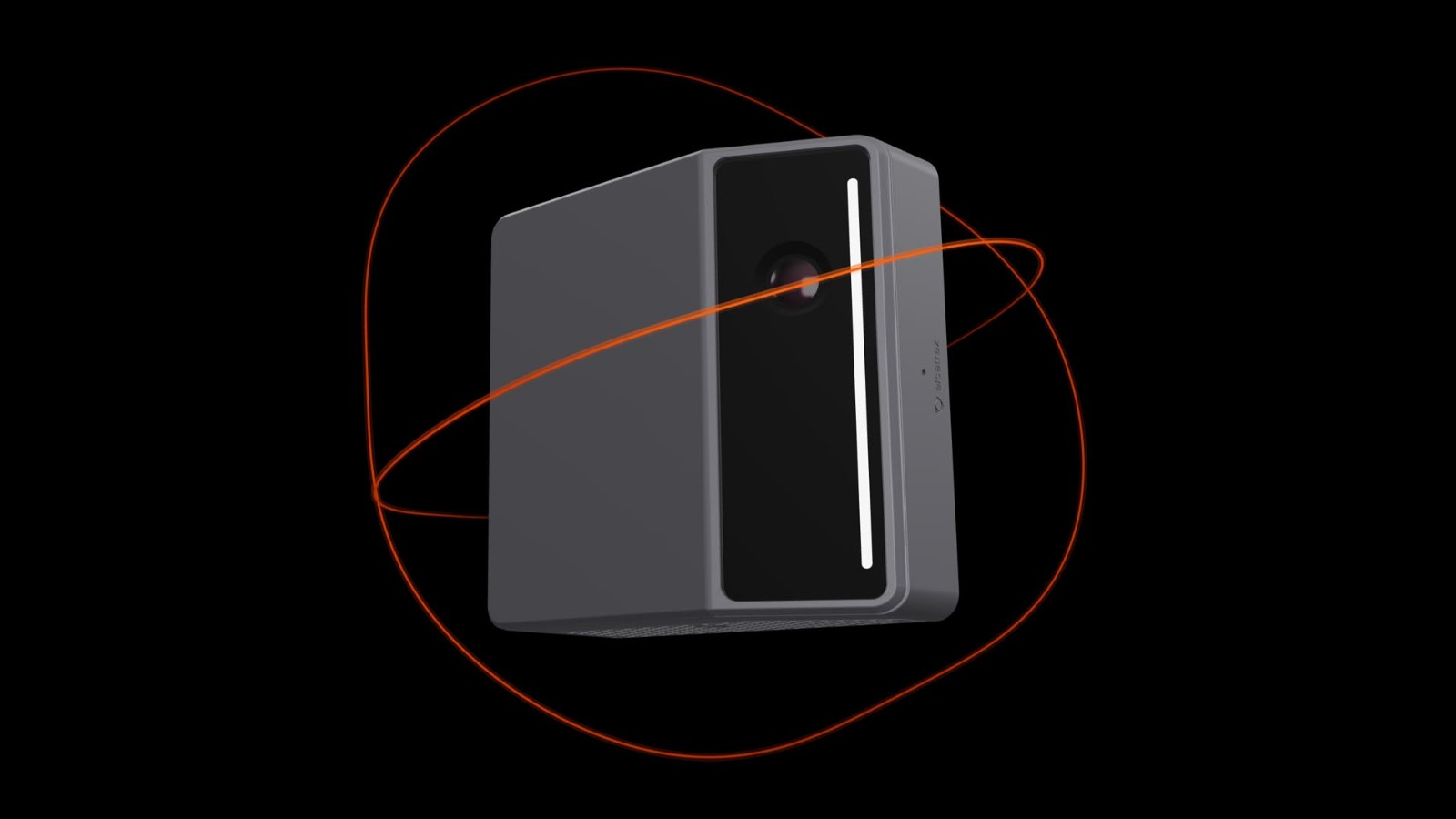
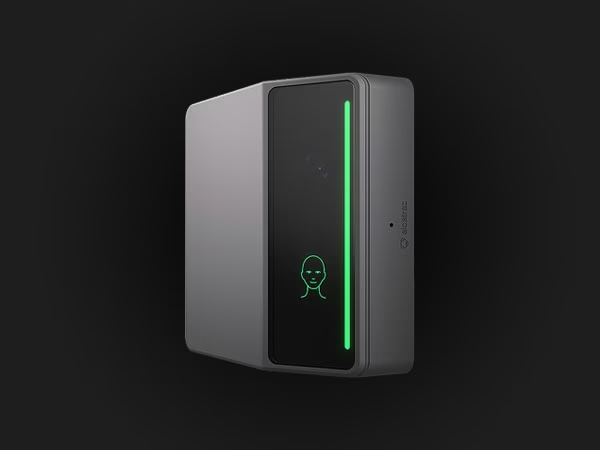
- Seamless integration: Solutions like The Rock X from Alcatraz AI work natively with existing access control platforms (like C-CURE or Genetec) via OSDP protocols. You preserve your infrastructure investment while adding sophisticated biometric capabilities.

Privacy-first: why it matters for higher education
Student privacy is the primary barrier to adoption. While 93.2% of college students use facial recognition in daily life, they are wary of surveillance. It is critical to understand the difference between recognition (surveillance) and authentication (verification).
Authentication vs. surveillance
Traditional facial recognition identifies individuals in a crowd. Privacy-first facial authentication simply verifies that "you are who you claim to be."
- No stored images: The system converts facial geometry into encrypted mathematical templates, not recognizable photos.
- Consent-based: Students actively opt-in.
- Data security: Biometric information remains encrypted and separated from personal identification databases, ensuring compliance with FERPA, GDPR, and BIPA.
Real-world campus biometrics applications
Universities are implementing facial authentication to solve specific challenges across diverse environments.
1. Dormitory access: safety meets convenience
Student housing is vulnerable to "tailgating" and card sharing.
- Eliminate sharing: Unlike a keycard, a student cannot lend their face to a friend.
- Emergency accountability: In case of a fire or lockdown, security teams get real-time data on the actual number of residents inside, which is critical for saving lives.
- Guest management: Mobile enrollment allows for temporary access permissions for visitors or maintenance staff without issuing physical keys.
2. Research labs & administrative offices
Research facilities often house millions of dollars in equipment and proprietary intellectual property.
- Granular permissions: Grant access only to specific lab teams.
- Audit trails: Automatic logging documents exactly who accessed sensitive areas, simplifying compliance reporting for grant sponsors.
- Zero trust: Ensure that only authorized personnel can enter high-value areas like server rooms or archives.
3. Athletic facilities & recreation centers
High-traffic areas face bottlenecks during peak hours.
- Touchless flow: Students authenticate at walking speed without queueing. This works seamlessly with biometric turnstiles to handle large crowds.
- Tiered access: The system automatically distinguishes between general students, student-athletes (who need access to training rooms), and coaching staff, managing permissions without staff intervention.
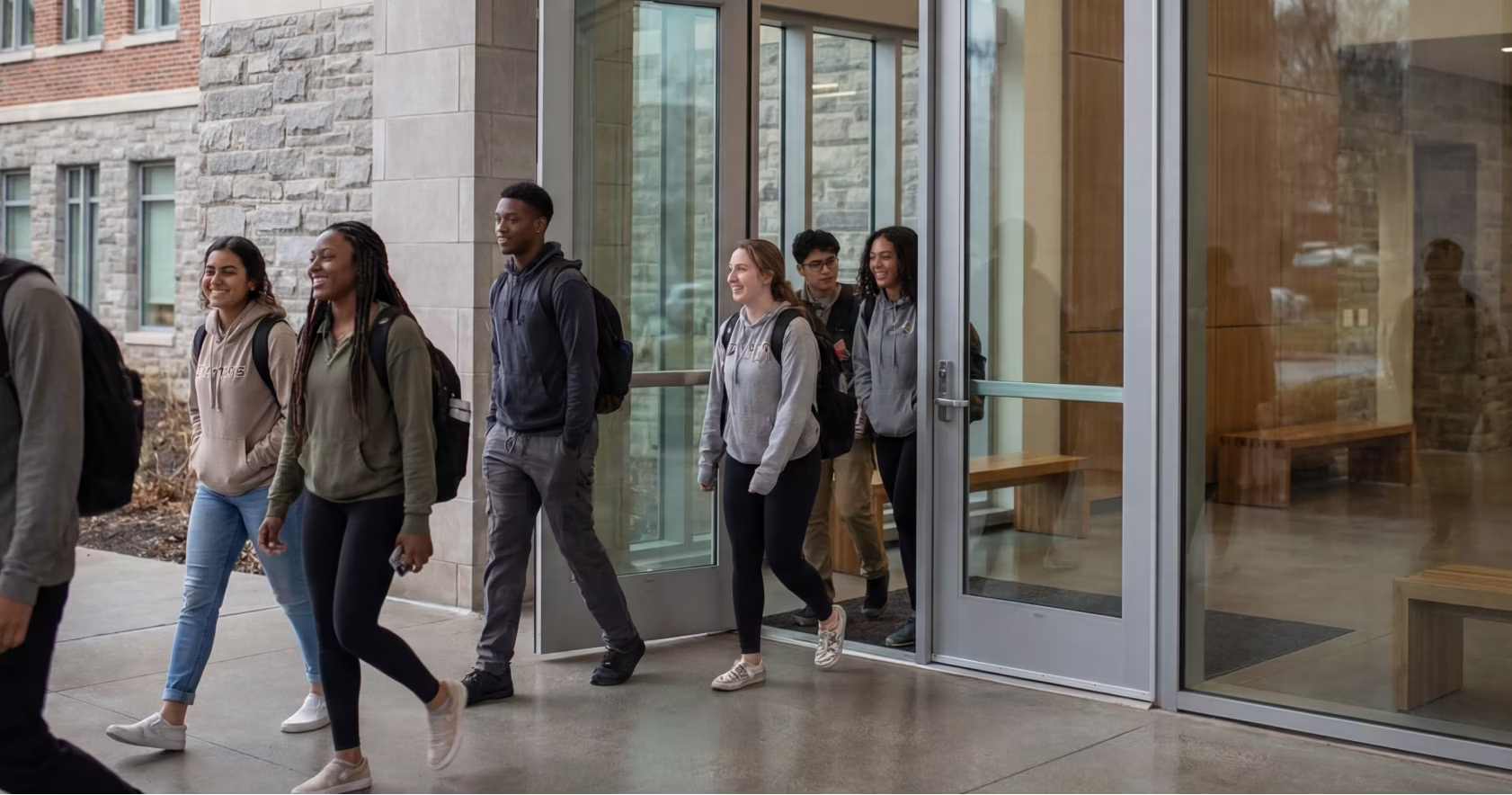
Emergency response capabilities of modern access control
When seconds matter during campus emergencies, automated response systems save lives. Organizations implementing crisis-ready access control achieve 92.5% improvement in emergency response times while strengthening overall security posture across campus facilities.
Instant campus lockdowns
Traditional locks require manual intervention. Modern electronic access control enables:
- Centralized command: Initiate campus-wide or building-specific lockdowns instantly from a security operations center.
- Targeted control: Restrict movement in compromised areas while allowing egress routes for evacuation in unaffected zones.
Real-time location & evacuation
During emergencies, knowing who is inside a building transforms operational data into life-safety information. The system provides immediate accountability lists to first responders, aiding in targeted search and rescue operations.
Implementation strategies for success
Universities adopting zero-trust security frameworks know that physical access is a critical part of campus safety. Modern deployment allows for systematic upgrades without disrupting daily campus life.
Phased deployment approaches that minimize disruption
The most successful implementations don't happen overnight; they rely on a strategic pilot program. By starting with high-priority areas, such as a single residence hall or research lab, security teams can refine procedures and demonstrate value before a full campus rollout.
This approach also benefits the budgeting process. Universities can match the pace of implementation to available funding, spreading costs across multiple fiscal years while delivering immediate security wins. Since installation at individual doors takes hours rather than days, the technical transition is seamless and does not require expensive infrastructure overhauls.
Student enrollment and consent management
Adopting biometrics requires trust. A transparent, privacy-first enrollment process is key to gaining student acceptance and ensuring compliance:
- Mobile-first convenience: Students can register via smartphone apps from their dorms, eliminating the need for long in-person lines at the security office.
- Transparent privacy: The process clearly explains that the system encrypts facial templates and does not store photos, addressing privacy concerns upfront.
- Opt-In choice: Participation is voluntary. Students who prefer traditional methods can continue using physical cards, ensuring the system respects individual preferences.
- Continuous control: Consent isn't permanent. Students can withdraw their biometric data at any time, maintaining full control over their personal information.
Transform your campus security with privacy-first facial authentication
Modern universities no longer have to choose between security and student experience. Facial authentication delivers both through privacy-first technology that eliminates credential vulnerabilities while preserving the open, collaborative atmosphere essential to higher education.
The market momentum speaks clearly. With the biometrics industry projected to grow from $45.09 billion in 2024 to $173.08 billion by 2033, universities are recognizing that traditional methods simply cannot meet modern safety requirements. Forward-thinking institutions are now moving past outdated tools to implement comprehensive, scalable security solutions that future-proof their campuses.
Ready to modernize your campus access control?
Stop relying on vulnerable plastic cards and start protecting your community with the technology they already trust. Join the leading universities using Rock X to create safer, smarter, and more welcoming environments.
Schedule a demo with Alcatraz AI to explore how privacy-first facial authentication can transform security operations while delivering the seamless experience your students expect.