




Identity verification solutions: choosing the right access control for your enterprise

Stolen credentials accounted for 49% of security breaches, according to Verizon's 2023 report, costing enterprises millions in remediation and reputational damage.Security leaders face a persistent challenge where traditional access control systems create vulnerabilities faster than IT teams can patch them.
The question isn't whether to upgrade your identity verification solutions but rather which approach delivers security without sacrificing user experience. Modern enterprises are moving from physical tokens like cards and badges to biometric authentication as the cornerstone of physical security.
Key takeaways
- Authentication vs. Recognition: Unlike surveillance-based facial recognition, facial authentication is a privacy-first, 1:1 verification tool that encrypts data instead of storing photos.
- Solving the human error: Modern biometric solutions proactively detect tailgating (unauthorized piggybacking), a security gap that 73% of intruders successfully exploit.
- Seamless integration: The best solutions support Zero Trust frameworks and integrate with your existing infrastructure (e.g., Genetec, Lenel) without requiring a "rip and replace" overhaul.
The challenges of traditional access control in enterprises
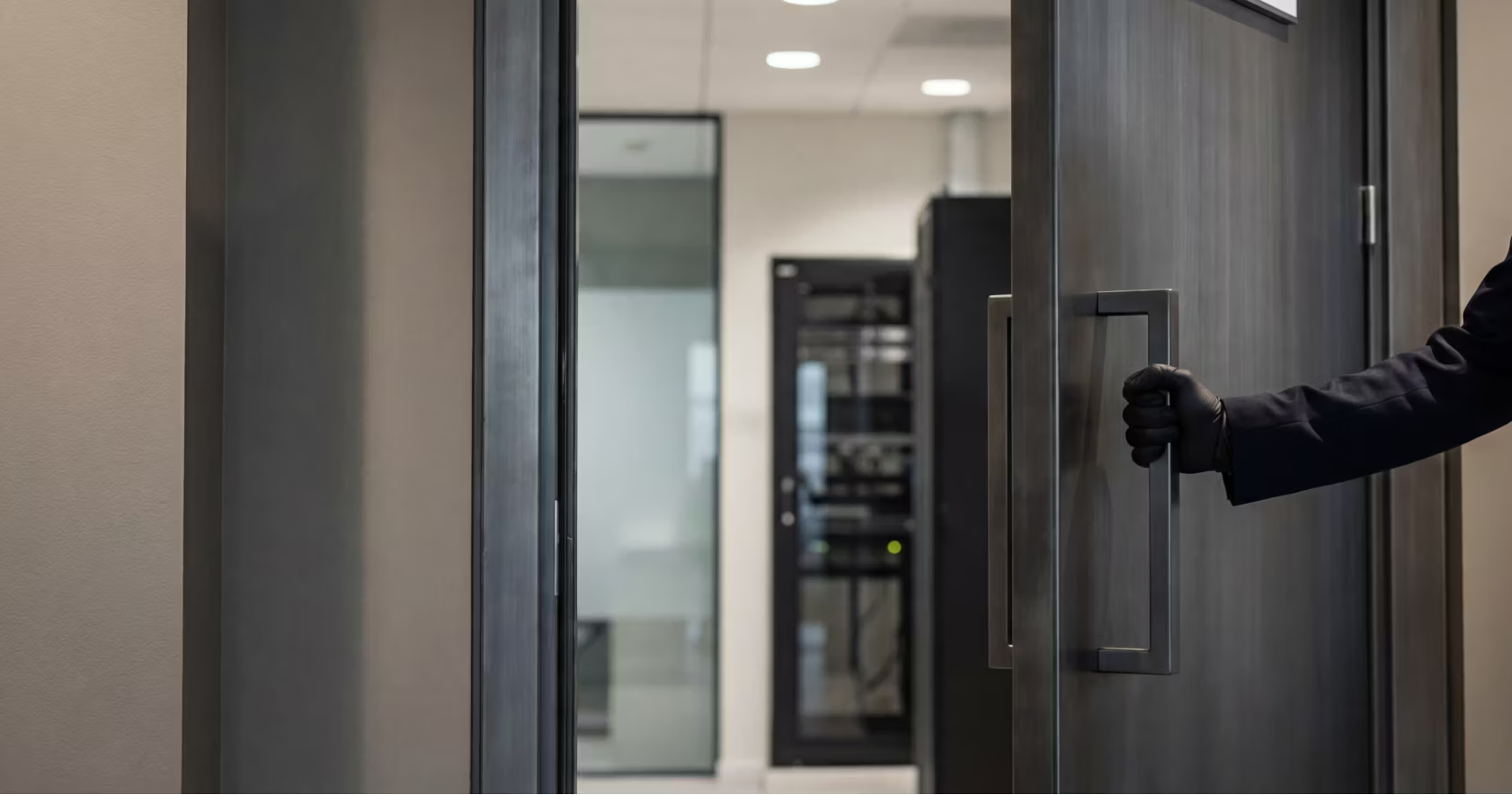
Walk through any corporate office during morning rush hour, and you'll witness the "security theater" that passes for access control. Employees wave proximity cards while holding doors open for colleagues, or delivery personnel follow staff into restricted areas.
These aren't hypothetical scenarios. Broken access control vulnerabilities surged 40% in 2025, revealing three critical failure points that modern solutions must address:
- Credential vulnerability
Proximity cards, key fobs, and ID badges can be lost, stolen, shared, or cloned without detection. Industry data shows 10% annual card replacement is standard, with badge replacement fees reaching $250 per badge when accounting for security protocols and administrative overhead.
For a 20,000-employee enterprise, that translates to 2,000 lost or stolen cards costing $500,000 in direct replacement expenses annually before accounting for the security risks each lost badge creates."
- Behavioral security gaps
Technology alone cannot fully address the human element of risk. Tailgating remains one of the most persistent physical security challenges, where unauthorized individuals simply follow authorized staff into restricted areas. Research shows that 73% of these attempts succeed without proper access control systems in place.
- Administrative overhead
Security teams spend countless hours managing physical credentials. Every employee departure, contractor engagement, or role change requires manual updates, often leaving "orphaned" credentials active in the system long after an employee has left.
Comparing common identity verification solutions
Enterprises evaluating upgrades face a crowded marketplace. Here is how the most common options stack up against modern security needs.
Proximity cards and PIN codes
While familiar and low-cost, these represent "something you have" or "something you know," not who you are.
- The risk: An authorized card doesn't guarantee that an authorized person is holding it.
- The reality: PINs are shared or observed by bad actors, and cards provide zero capability for detecting tailgating without complex forensic video integration.
Biometric authentication systems
Fingerprint or iris scanners verify unique physical characteristics, eliminating lost keys or shared codes.
The limitation: Traditional biometrics often require physical contact. In high-traffic or post-pandemic environments, touching a scanner slows down throughput and raises hygiene concerns.
Facial authentication (The modern standard)
Not to be confused with surveillance-based facial recognition, facial authentication is a consent-based, 1:1 verification tool.
This method bridges the gap between high security and user convenience, functioning like an automated concierge that opens doors without requiring employees to break their stride or touch a surface.
- Privacy-first: It converts facial features into encrypted mathematical templates (not photos) using non-reversible algorithms.
- Frictionless: Users are authenticated instantly at walking speed.
- Compliance: Because data is processed locally and users opt-in, this architecture complies with GDPR, CCPA, and BIPA regulations.
Strategic advantages of biometric access control
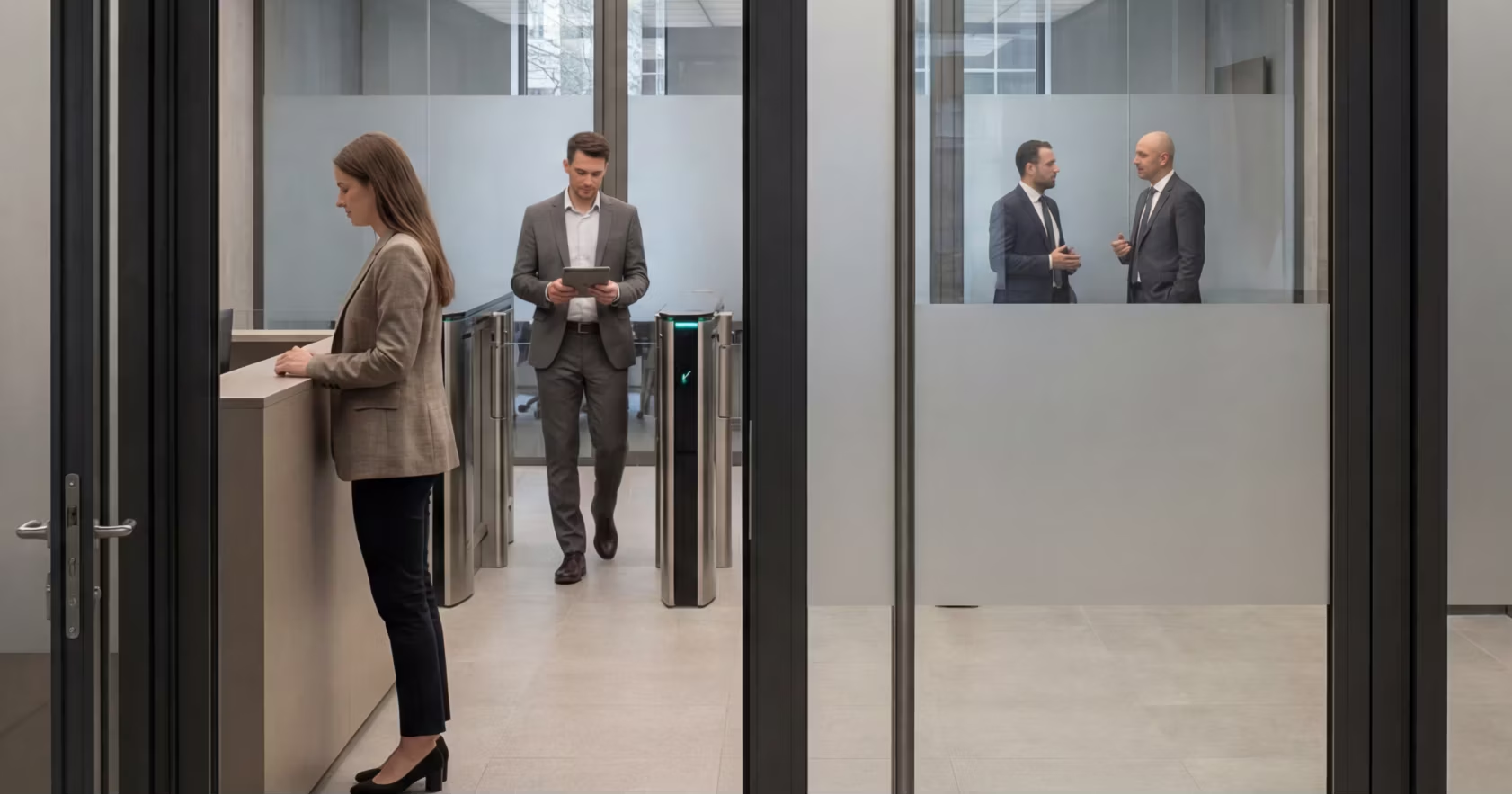
Adopting facial authentication solves specific operational challenges that legacy systems cannot handle.
Eliminating credential vulnerabilities
Biometric authentication transforms security from credential management into identity management. Users cannot lose their face or transfer it to a bad actor. When an employee leaves, deactivating their profile immediately revokes access—no need to chase down physical badges.
Facilities implementing these systems have seen unauthorized entry attempts drop significantly.
Proactive tailgating detection
Traditional systems cannot tell if one person or five people walked through a door after a single badge tap. Advanced facial authentication uses computer vision to detect tailgating in real-time.
- How it works: If an unauthorized person follows an employee, the system alerts security immediately and can even trigger a video log of the event.
- The impact: Facilities with advanced tailgating detection report significant reductions in unauthorized entry incidents, shifting security from reactive forensics to proactive prevention.
Supporting zero-trust frameworks
Eighty-one percent of institutions are now implementing zero-trust security principles. Biometric authentication enables this by verifying identity continuously—not just at the front door, but at server rooms, executive offices, and labs—without slowing down employees.
4 Key features to evaluate in identity verification solutions
When selecting an identity verification solution, focus on these four critical capabilities to ensure long-term success.
1. Touchless access control
Modern users expect a frictionless experience. The system must authenticate users at normal walking speed without requiring them to stop or pose. If the technology creates a bottleneck during the morning rush, employees will find ways to bypass it (often seen with legacy turnstiles).
2. Integration with existing infrastructure
Avoid solutions that require a "rip and replace" of your current security stack. Effective facial authentication should integrate via standard protocols (like OSDP or Wiegand) with your existing access control panels (e.g., Genetec, Lenel, C-CURE).
3. Multi-factor authentication (MFA) capability
For high-security areas, you may need "defense in depth." Look for solutions that allow you to layer security (e.g., Badge + Face) without ruining the user experience.
- Adoption trend: Multi-factor authentication adoption reached 87% among large enterprises by 2025, and this layered security approach is now extending to physical access control systems.
4. Privacy-by-design architecture
Ensure the vendor does not store facial images. The system should use encrypted templates, process data locally on the device (edge computing), and provide transparent opt-in/opt-out workflows for employees.
Ready to eliminate credential vulnerabilities?
Upgrading to biometric identity verification doesn't have to be complex. By focusing on privacy, integration, and user experience, you can close the security gaps left by traditional cards and PINs.
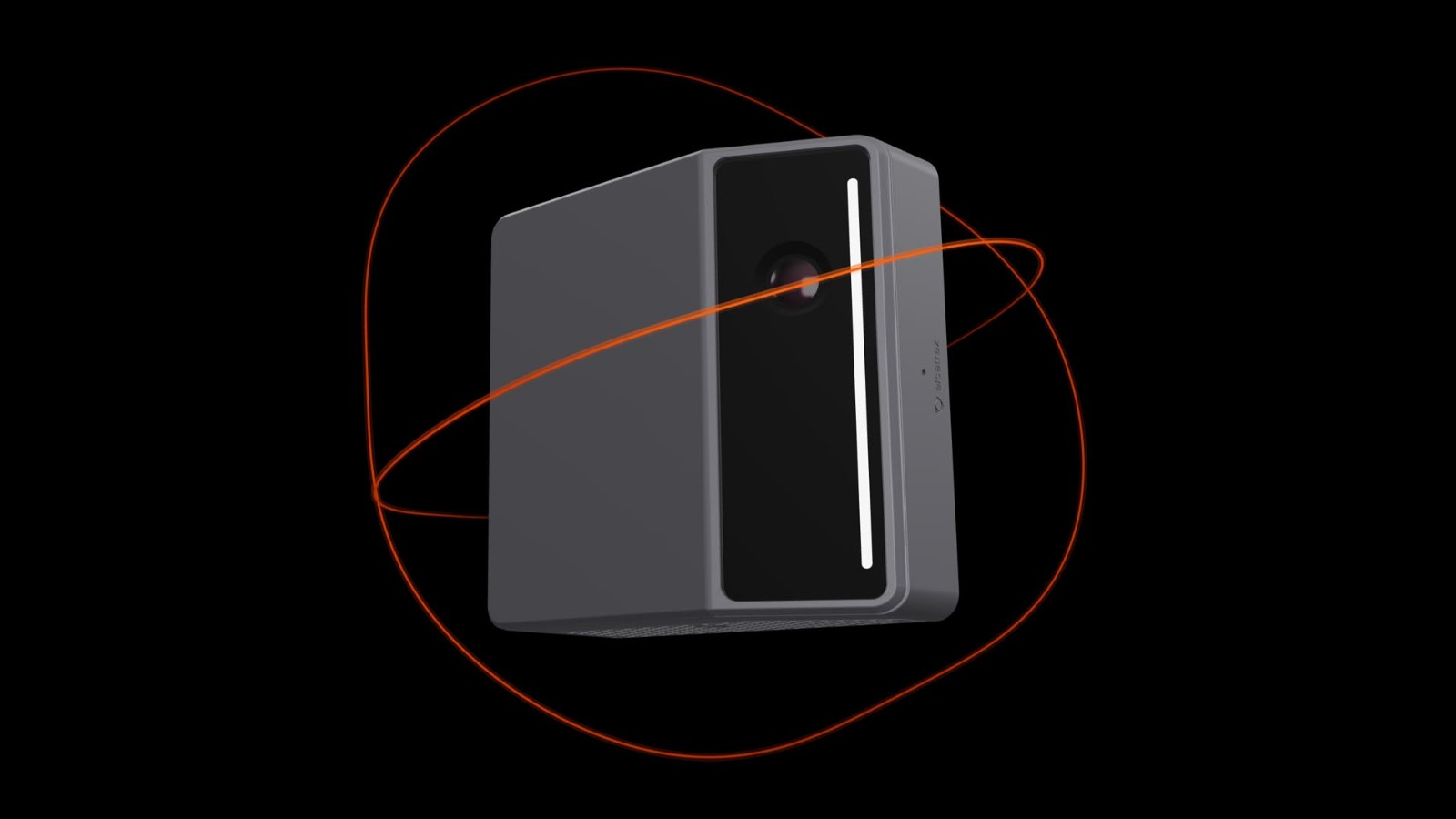
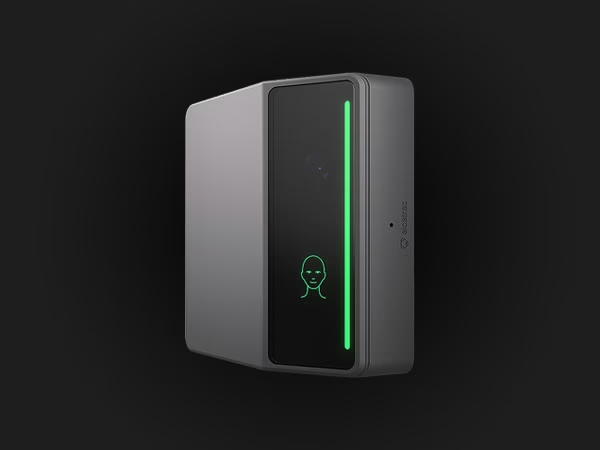
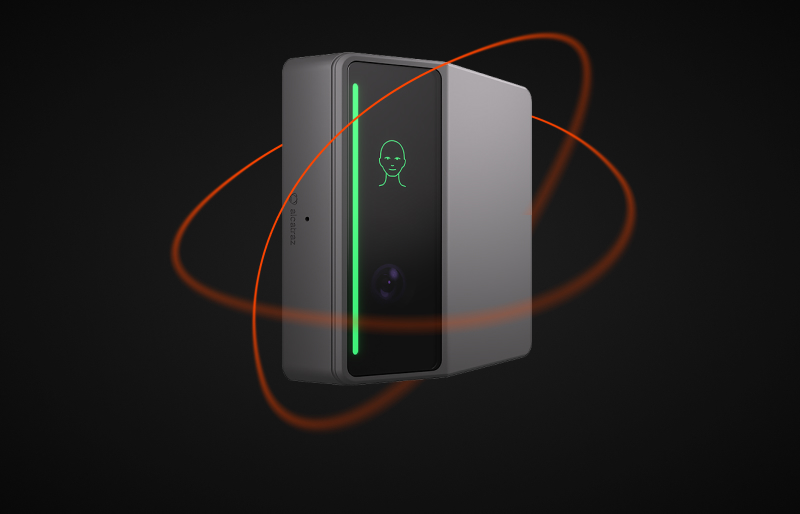
Alcatraz AI delivers privacy-first facial authentication that integrates seamlessly with your existing access control infrastructure. Schedule a demo with our experts to see how Rock X can transform your enterprise security.