




How to modernize bank security with AI facial biometric authentication
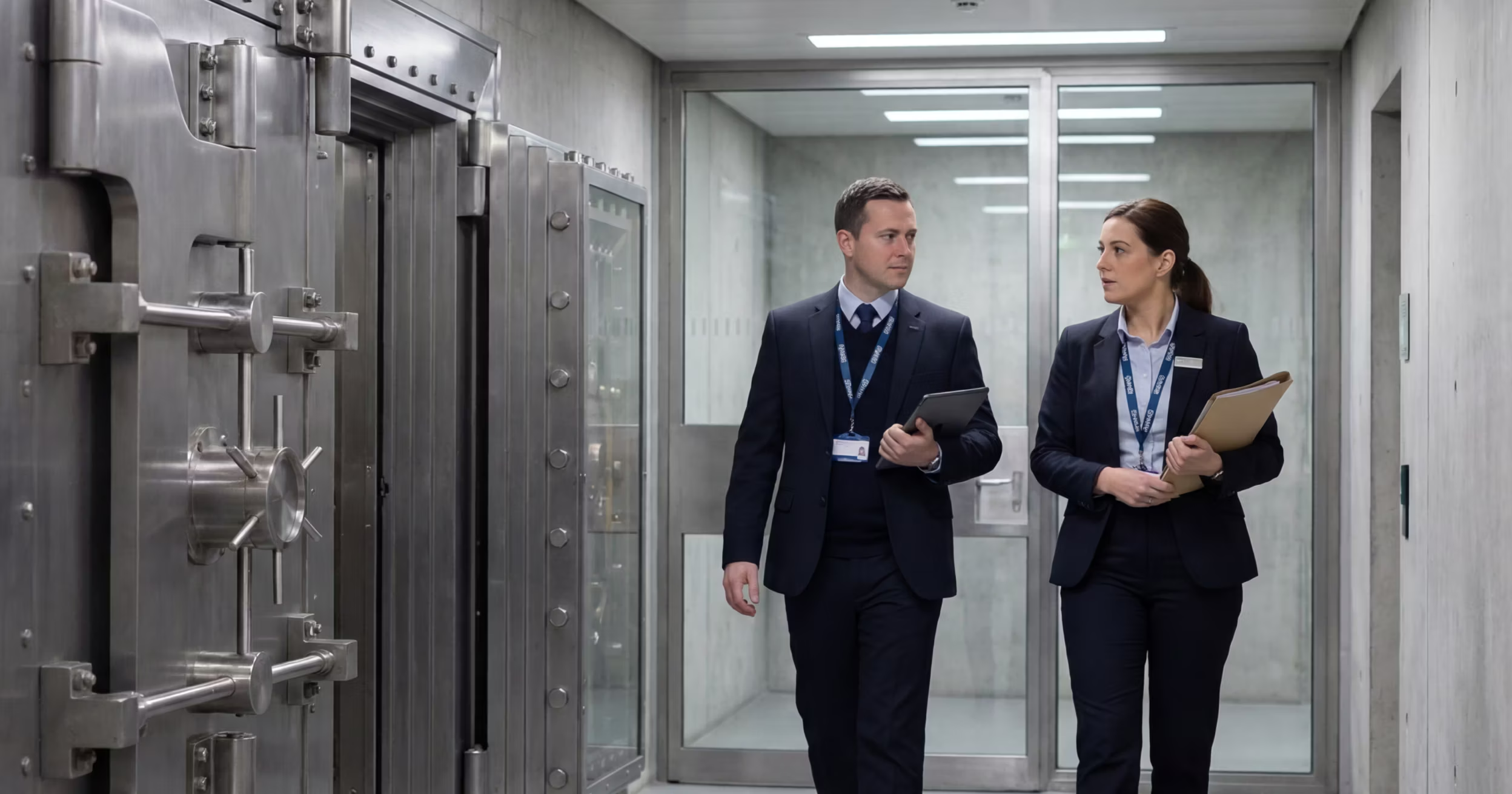
Financial institutions face a growing paradox. Cybersecurity budgets skyrocket while physical security often relies on outdated methods vulnerable to sophisticated threats. A stolen access card grants unauthorized entry to vaults, data centers, and executive offices, bypassing millions spent on digital defenses.
The biometrics for banking and financial services market reached USD 9.9 billion in 2025 and is projected to hit USD 42 billion within the next ten years, driven by regulatory demands for stronger authentication and the urgent need to combat escalating fraud. This isn't just technology adoption; it's a fundamental shift in how financial institutions protect people, assets, and trust.
Key takeaways
- Legacy security risks: Traditional badges and PINs leave banks vulnerable to sophisticated threats and expensive breaches, highlighting the urgent need to modernize physical security.
- Privacy-first compliance: Distinct from surveillance, facial authentication uses encrypted templates without storing images, ensuring full compliance with BIPA, GDPR, and SOC 2.
- Frictionless security: AI-powered biometrics solve entry bottlenecks and automatically detect tailgating in real-time without requiring extra security personnel.
- Regulatory adherence: Modern facial biometrics help institutions satisfy strengthening FFIEC guidelines and MFA requirements while preventing credential theft.

Why legacy access control fails financial institutions?
Traditional access control methods carry inherent vulnerabilities that modern threat actors readily exploit. Cards get lost, stolen, or shared because a single compromised credential can grant access to sensitive areas for hours or days before discovery.
According to recent threat intelligence, the financial sector now accounts for 27% of all data breaches handled by major incident response firms, up from 19% just two years prior. The average breach cost for financial services reaches $5.9 million per incident.
Critical vulnerabilities in traditional systems
The examples below show how legacy access control solutions create predictable weaknesses instead of improving security:
1. Keypads and PIN Codes
These create additional exposure points as employees often write down codes, share them with colleagues, or use predictable sequences that persist across organizations.
2. Touch-Based Biometrics
Fingerprint and iris scanners theoretically provide stronger authentication but introduce friction and hygiene concerns that employees resist. This is especially true in post-pandemic environments where touchless solutions have become the standard expectation.
3. Environmental Failures
Weather conditions further compromise traditional biometric readers. Fingerprint scanners malfunction in extreme cold or when hands are wet, while iris scanners struggle with outdoor lighting variability.
The Operational Impact
These failures force security teams to implement workarounds that weaken the entire system, often reverting to the very badge-based access they intended to replace.
Financial services biometric security must address all these vulnerabilities simultaneously. At the same time, it must maintain the frictionless experience that employees expect and the compliance standards that regulators demand.
Understanding facial authentication vs. facial recognition in banking
Many security directors conflate facial authentication with facial recognition. However, the distinction matters profoundly for compliance and privacy. Facial recognition identifies individuals from images or video feeds. This is a surveillance approach that raises significant privacy concerns and regulatory scrutiny.
Facial authentication, by contrast, verifies that the person seeking access is who they claim to be. It uses opt-in enrollment and encrypted biometric templates without storing images.
The privacy-first approach
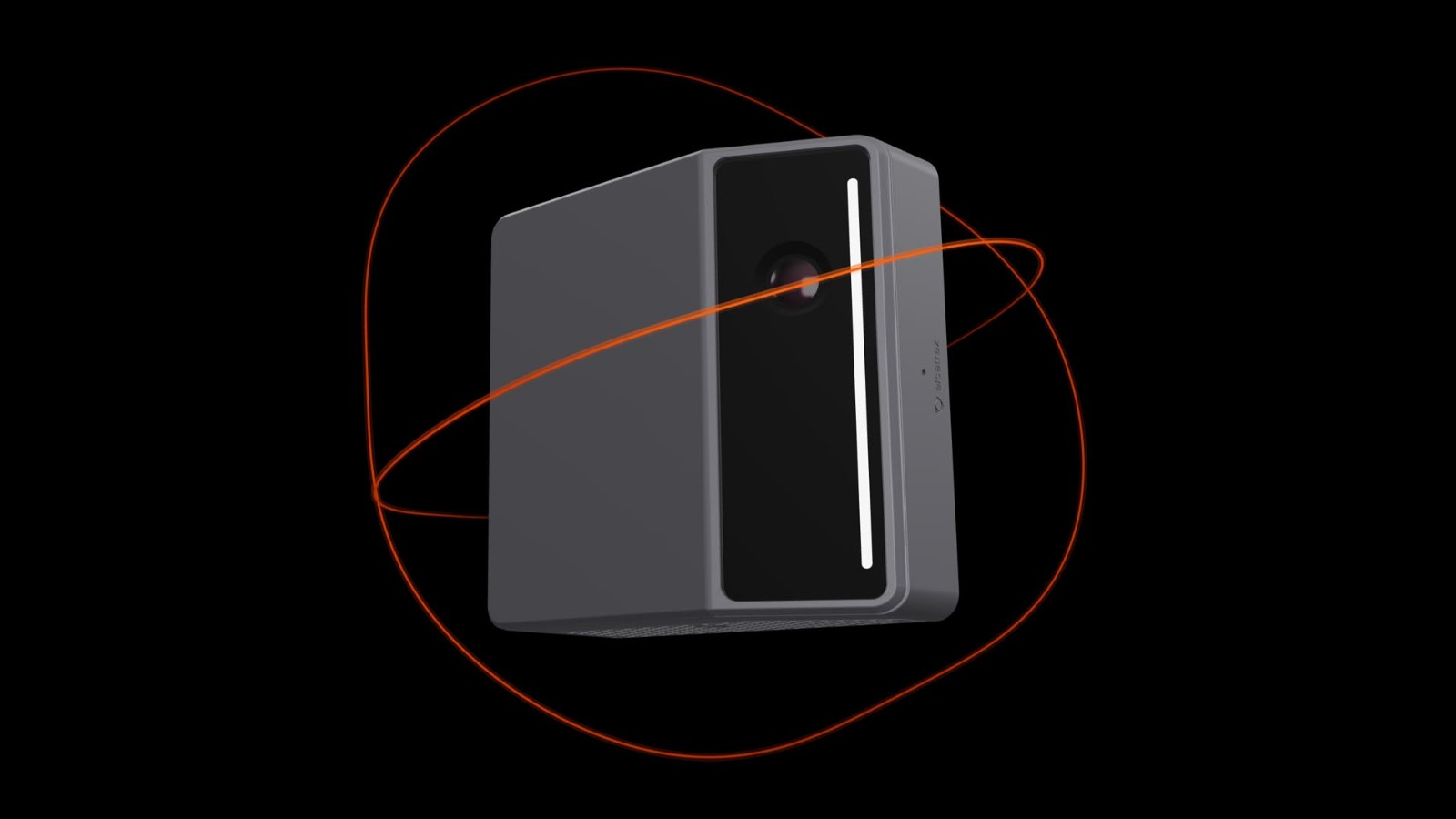
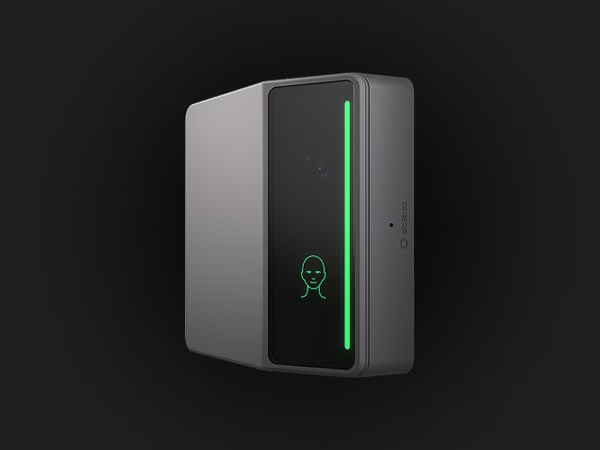
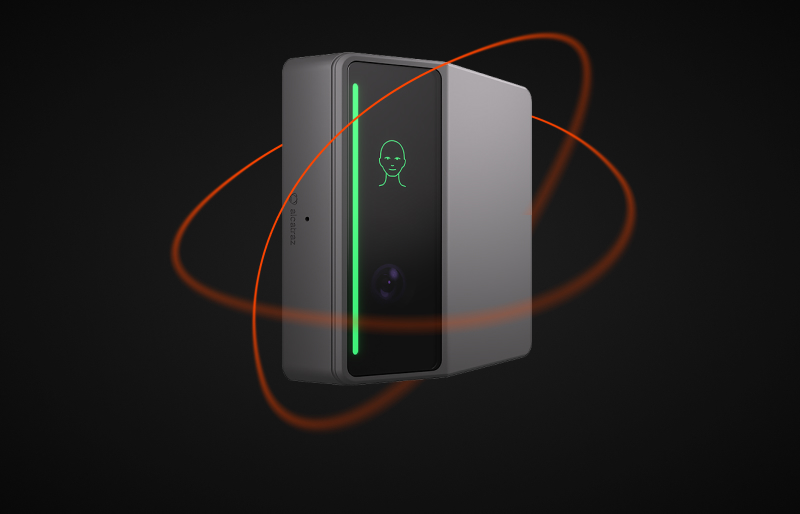
Alcatraz AI pioneered the privacy-first facial authentication approach specifically for access control environments. The technology converts a person's face into an encrypted template using a one-way algorithm, immediately discards the image, and binds the template to an existing badge credential.
This architecture ensures compliance with BIPA, GDPR, and CCPA. Recently, the company further reinforced this privacy-first approach by completing its SOC 2 audit.
Solving the "Morning Rush" problem
Think about the morning rush at a regional bank headquarters. Hundreds of employees enter within minutes. Traditional badge systems create bottlenecks and security vulnerabilities. Employees often hold doors open for colleagues, inadvertently allowing unauthorized individuals to slip through.
Facial biometric access control eliminates this friction. It automatically detects tailgating incidents and sends real-time alerts to security teams - letting authorized individuals pass without friction. This happens without requiring dedicated personnel at every entrance.
How Alcatraz AI’s facial biometric authentication strengthens bank security
Our facial authentication access control systems deliver layered security benefits that extend far beyond replacing physical credentials. The technology operates at three critical levels: prevention, detection, and compliance.
- Prevention through inherent uniqueness
Each person's facial structure provides authentication credentials that cannot be cloned, shared, or stolen like traditional badges. Someone who finds a lost access card can enter restricted areas. However, someone cannot "find" another person's face. This fundamental difference eliminates entire categories of security incidents that plague financial institutions.
- Detection through AI-powered monitoring
Our facial biometric security integrates real-time tailgating detection without requiring additional hardware or security personnel. The system identifies when two people enter on a single authentication event and immediately alerts administrators.
- Compliance through privacy-by-design architecture
Regulatory frameworks increasingly mandate multi-factor authentication for financial institutions. The FFIEC released strengthened guidelines requiring layered security solutions.
This creates methodical demand for biometric authentication that satisfies compliance requirements without exposing organizations to privacy liability. AI facial authentication for banks provides this capability while maintaining full regulatory compliance.
Ready to transform your financial institution's physical security?
Discover how Alcatraz AI's privacy-first facial authentication delivers frictionless access, automated tailgating detection, and enterprise-grade security without storing images. Schedule a demo to see how leading banks and credit unions protect over one million employees with facial biometric access control.