




How to add multi-factor authentication to your access control system without ripping out what works
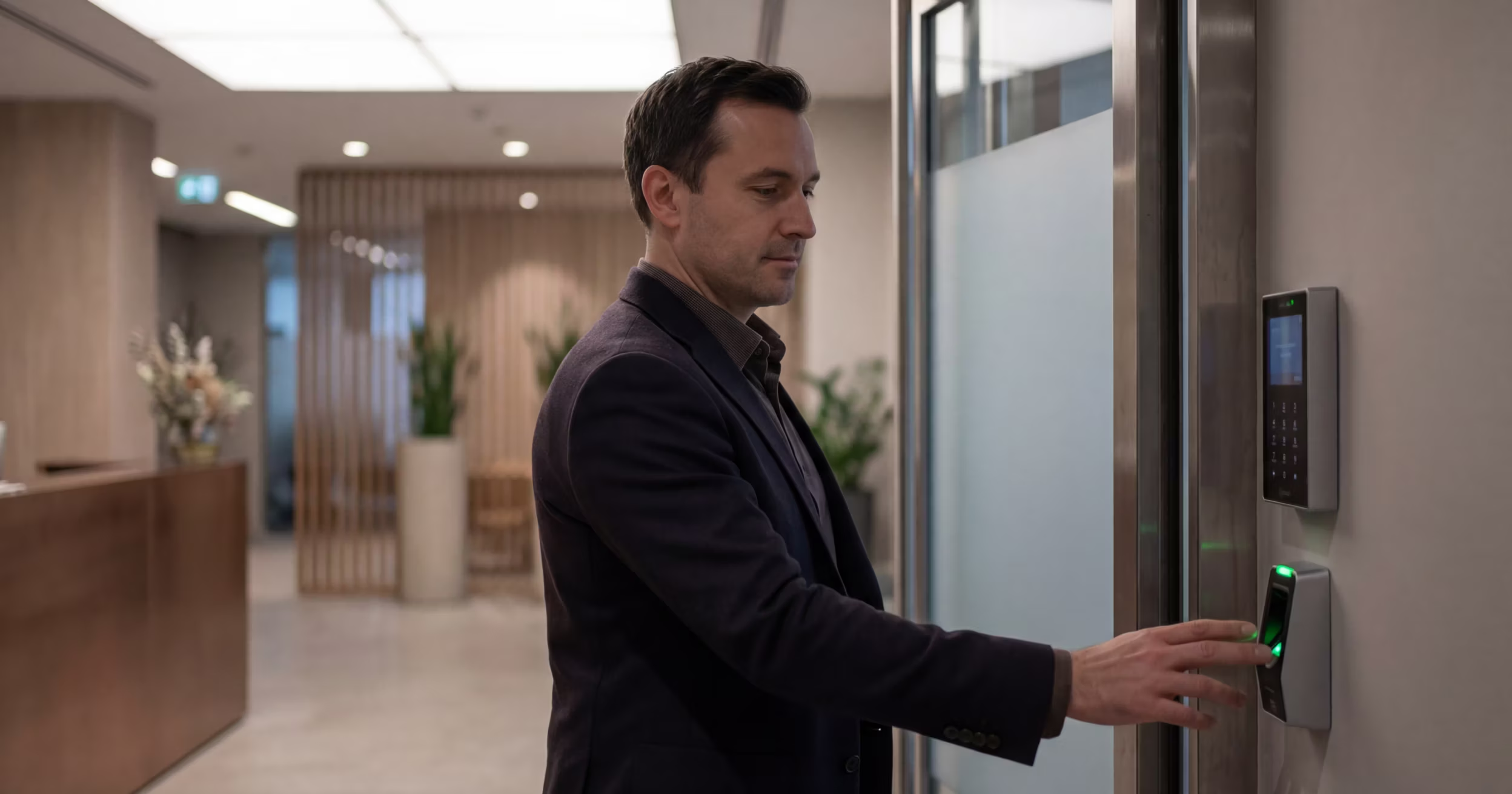
Picture this. At 6:47 AM, a borrowed badge grants an intruder full access to bank data and assets worth millions. While companies invest in digital firewalls, their physical security remains vulnerable to a simple $2 proximity card. This single point of failure puts your entire organization at risk every single day. Digital security means nothing when physical access remains the weakest link.
The multi-factor authentication (MFA) market is projected to hit 22.8 billion dollars by 2026 because organizations now recognize this gap. Modern physical MFA solutions strengthen facility security by requiring multiple factors before granting entry. You no longer have to choose between convenience and protection because biometric access control integrates seamlessly with your existing infrastructure.

Key takeaways
- Single-factor access is no longer sufficient: Relying solely on badges creates critical security gaps like credential theft, unauthorized sharing, and tailgating.
- Frictionless security over complex barriers: Modern facial authentication eliminates the bottlenecks of PIN pads and traditional readers, allowing users to authenticate without breaking stride.
- The end of "Rip and Replace": You don't need to overhaul your entire infrastructure to upgrade. Solutions like RockX integrate natively with existing legacy systems via standard OSDP and Wiegand protocols.
- Smart tailgating detection: Unlike standard readers, AI-powered biometric systems can detect and alert security teams in real-time when an unauthorized person attempts to follow an employee in.
Why does single-factor access control leave your facility exposed?
Walk through any office building during morning rush hour. Employees funnel through entrances, badges in hand, often holding doors for colleagues trailing behind.
This common courtesy creates a security nightmare security professionals call “tailgating”, and recent surveys reveal that over 70% of security leaders believe tailgating incidents will likely occur at their workplace.
Single-factor authentication creates three critical vulnerabilities that sophisticated attackers exploit:
- Credential theft turns employees into liabilities
When someone steals or "borrows" an access badge, your facility cannot distinguish between the authorized employee and the unauthorized user. Credential abuse accounts for 22% of data breaches in 2025, making stolen physical credentials a priority concern for security teams.
- Shared access undermines accountability
Organizations issue thousands of access cards annually, yet many employees share badges with colleagues, contractors, or temporary workers. This practice eliminates audit trail integrity because security teams cannot determine who actually accessed sensitive areas when multiple people use a single credential.
- Lost credentials create operational chaos
Each badge replacement carries material and administrative costs, but the real risk emerges when former employees retain credentials or lost badges end up in the wrong hands.
What physical MFA solutions actually look like in practice?
Security leaders evaluating MFA deployment options often ask the same question: "What does multi-factor authentication look like at an actual door?" The answer depends on your security requirements, existing infrastructure, and risk tolerance.
Physical MFA combines something you have, something you know, or something you are - organizations implementing these solutions layer authentication factors to create security appropriate for each facility zone.
Badge + PIN combinations (2FA)
Traditional two-factor deployments combine badge readers with pin pads to provide a simple security layer. While this approach costs less and integrates easily with legacy systems, its effectiveness is measurable but limited.
- Pin codes suffer from predictability like birthdates or repeated digits
- Employees often share codes with colleagues, which undermines the system
- Shoulder surfing remains a persistent threat in high-traffic areas
Badge + biometric verification (2FA)
Modern two-factor authentication pairs traditional credentials with biometric access control like facial authentication. This combination eliminates pin vulnerabilities while maintaining compatibility with your existing infrastructure.
- Organizations implementing biometric MFA report 68% fewer unauthorized access incidents
- Biometric factors cannot be shared, stolen, or forgotten by users
- Touchless facial authentication processes users naturally as they approach
Badge + PIN + biometric (3FA)
High-security environments like data centers, financial vaults, and government facilities deploy three-factor authentication, combining all three credential types. Users present their badge, enter a PIN code, and complete biometric verification before access grants.
- Essential for the defense department and financial wire transfer zones
- Maximizes security for facilities protecting controlled substances
- Best used where high security requirements justify the extra authentication steps
The hidden costs of traditional 2FA badge reader integration
Adding PIN pads or legacy biometric readers to existing access control creates expenses that security teams often underestimate during budget planning. Understanding these costs helps organizations evaluate whether traditional 2FA approaches deliver sufficient value.
Installation disrupts operations:
Most facilities cannot shut down entrances for extended periods. Traditional reader installations require door frame modifications, wiring runs, and panel configuration.
A 50-door facility adding PIN readers typically faces 2-4 weeks of installation work, with contractors coordinating around business hours to minimize disruption.
Maintenance compounds over time:
Mechanical PIN pads experience button wear and require replacement every 3-5 years, depending on traffic volume. Fingerprint readers accumulate residue from skin oils and environmental contaminants, degrading performance unless cleaned regularly.
Organizations with 100+ access points dedicate significant staff time to reader maintenance and troubleshooting.
User friction impacts productivity:
Fumbling with badges and PIN codes during peak hours creates massive bottlenecks at entry points. Adding even a few seconds per person during a morning rush can affect hundreds of employees.
The passwordless authentication market reached $24.1 billion in 2025, reflecting enterprise recognition that traditional authentication methods create unnecessary friction while failing to deliver the security modern threats demand.

How facial authentication transforms MFA for access control systems?
Imagine approaching your office building, hands full of coffee and a laptop bag. As you walk toward the entrance, authentication happens automatically—no badge fumbling, no PIN entry, no stopping. The door unlocks when you arrive. This frictionless experience defines modern biometric access control designed for how people actually move through buildings.
Facial authentication systems process user verification while employees approach entry points naturally. Organizations implementing these multi-factor authentication devices report dramatic improvements in both security and user experience compared to traditional 2FA implementations.
What makes biometric access control different from adding another reader
Traditional MFA adds steps like swiping your badge, entering your PIN, and scanning your fingerprint. Each factor creates friction. Modern facial authentication systems operate differently by processing multiple security checks simultaneously within milliseconds.
AI-powered authentication happens at approach distance
Advanced systems begin facial analysis when employees enter the camera's field of view, typically 6-10 feet from the entry point.
By the time the person reaches the door, authentication completes. Users never break stride, yet the system verifies their biometric identity more securely than any PIN code.
Integrated tailgating detection stops piggybacking
Here's where facial authentication delivers security that traditional badge readers cannot match. The system tracks how many authenticated faces enter versus how many bodies pass through the doorway. When someone follows an authorized employee without authenticating, the system flags the tailgating attempt immediately and alerts security personnel in real-time.
Privacy-first architecture protects user data
Modern enterprise-grade facial authentication systems convert facial features into encrypted mathematical templates using one-way algorithms. The system never stores actual facial photographs, processing authentication locally at the device rather than sending biometric data across networks. This privacy-by-design approach complies with BIPA, CCPA, and GDPR requirements while protecting employee biometric information.
By 2025, 45% of MFA implementations include biometric factors such as fingerprint or facial recognition, with AI-powered authentication technologies driving adoption across enterprise environments.
Implementing physical MFA without disrupting operations
Security leaders often hesitate to upgrade access control systems, fearing the operational chaos of rip-and-replace projects. Modern MFA, like Alcataz’s deployment strategy, eliminates this concern through phased implementation approaches that preserve existing infrastructure.
Integration with existing physical access control systems
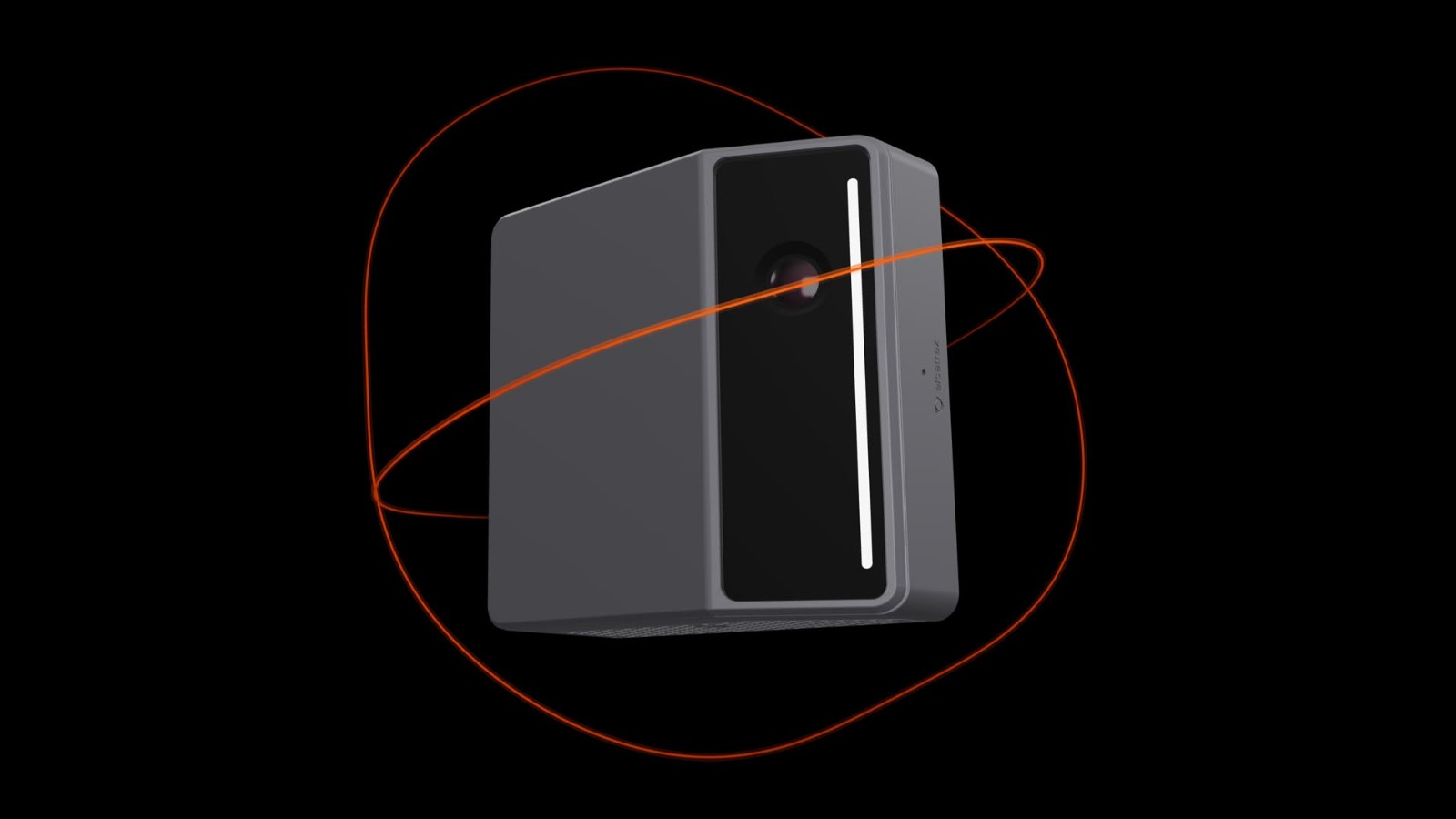
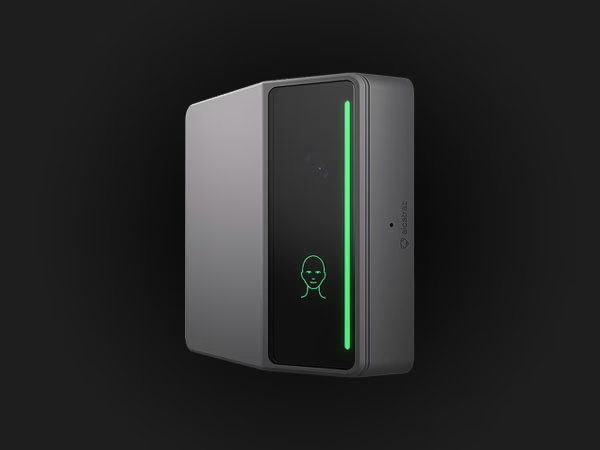
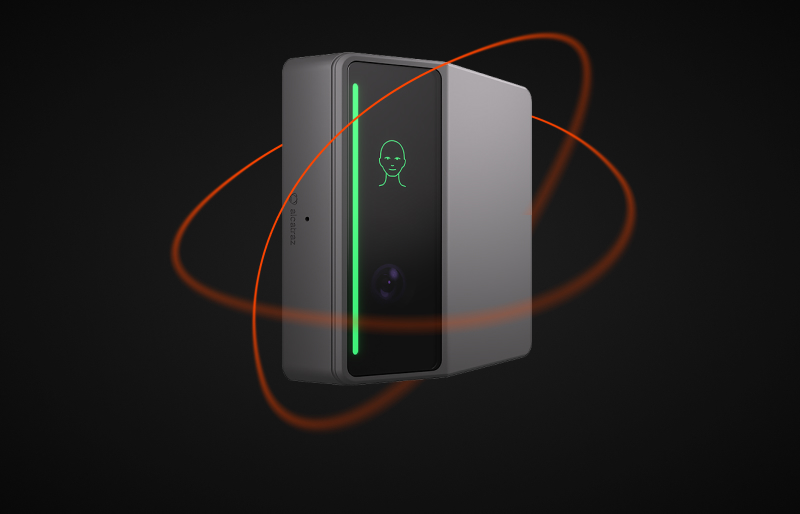
RockX, an enterprise-grade biometric MFA solution, can integrate natively with your established access control platforms through standard protocols. This compatibility means organizations add authentication factors without replacing panels, controllers, or management software they've invested in over the years.
1. Standard protocol support enables plug-and-play deployment
RockX MFA supports Wiegand and OSDP protocols, which connect directly to the existing access control infrastructure. Security teams configure the biometric reader as they would any other credential reader, using familiar management interfaces and workflows.
2. Major platform compatibility simplifies enterprise rollout
Organizations running platforms like Tyco Software House C•CURE 9000 can deploy our facial authentication across hundreds of doors without custom integration work.
The devices communicate with access control platforms using native protocols, maintaining all existing permissions, schedules, and reporting capabilities.
3. Phased deployment limits risk and budget impact
Rather than upgrading all access points simultaneously, organizations can implement RockX MFA at high-priority locations first. Data centers, executive offices, and financial operations areas receive biometric access control initially.
Once validated, you can expand deployment to general office areas and lower-security zones based on available budget and risk assessment.
Secure your perimeter with frictionless facial authentication
Ready to implement MFA that strengthens security without sacrificing user experience? Discover how RockX facial authentication integrates with your existing access control system. Schedule a demo to explore deployment options for your facility.