




How banking biometric authentication stops insider threats and credential fraud
Financial institutions invest heavily in digital security while their physical workforce access remains vulnerable. Traditional badge systems create operational bottlenecks and security gaps that sophisticated threats exploit daily. Banking biometric authentication eliminates credential vulnerabilities through employee-focused solutions that enhance both security and operational efficiency.
The question isn't whether banks should implement advanced biometrics, but rather how quickly they can deploy systems that deliver measurable ROI while exceeding regulatory expectations.
Key takeaways
- The physical security gap: While banks have secured digital assets, outdated badge systems remain vulnerable. Tailgating accounts for 61% of access control failures, a risk that traditional credentials cannot stop.
- Measurable ROI: Implementing biometric authentication reduces account takeover incidents by 66% and payment fraud by 43%, while potentially saving the industry $460 million in operational costs.
- Compliance automation: Advanced facial authentication automates audit trails for BIPA, GDPR, and CCPA, turning regulatory requirements into a competitive advantage without manual administrative overhead.
- Privacy-first protection: Modern systems use encrypted mathematical vectors—not recognizable images—to verify identity, ensuring compliance with strict employee privacy standards.
- Strategic application: From high-speed access on trading floors to zero-trust verification in cash vaults, biometric solutions offer tailored security for critical banking environments.
Why does banking employee authentication demand next-generation security?
Banks handle sensitive assets, customer data, and high-value transactions that make them prime targets for both external attacks and insider threats. Traditional authentication methods designed for smaller facilities cannot address today's complex workforce requirements while meeting federal security mandates.
Key industry shift: 94% of small and mid-sized financial businesses are experimenting with or already utilizing AI-driven biometric authentication.
The gap between digital and physical security
Banks secured digital systems years ago, yet physical access still relies on outdated proximity cards. These credentials are easily lost or shared, creating vulnerabilities that modern digital banking has already eliminated.
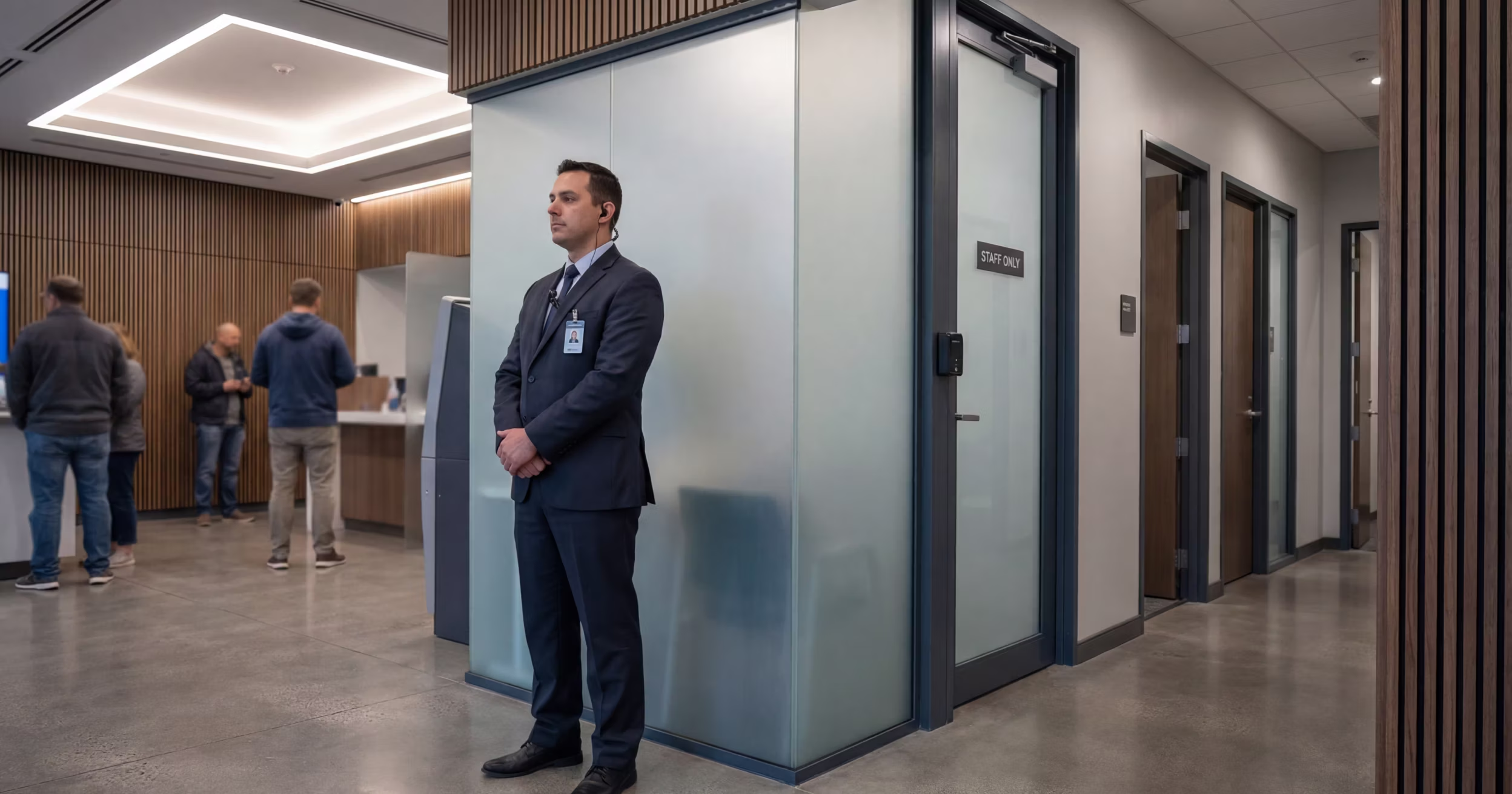
Employees often hold gates open for colleagues during the morning rush. This gesture is known as tailgating. More than 90% of organizations reported experiencing access control failures in the past six months, with tailgating and piggybacking representing the most prevalent problem at 61%.
Financial institutions that implement comprehensive biometric authentication to close this gap experience average reductions of:
Regulatory pressures and compliance demands
BIPA, GDPR, and CCPA establish specific requirements for employee biometric data handling. Forward-thinking institutions use these regulations as a competitive advantage by deploying privacy-first systems that avoid expensive retrofitting.
Banking compliance demands documentation that traditional credential systems cannot provide adequately. Advanced facial authentication addresses this by automating audit trails that track:
- Every access attempt
- Every denied entry
- Every security exception
Emerging threats targeting banking employees
Recent enforcement actions related to BSA/AML/CFT revealed that insider threats can undermine even the most robust anti-financial crimes programs. Insiders with deep knowledge of banking processes, coupled with access to sensitive systems, facilitate or conceal illicit activities.
Primary threat vectors:
- Credential sharing during operational emergencies enables unauthorized access.
- Social engineering attacks exploit traditional PIN and badge systems.
- Physical credential theft from parking lots and personal vehicles.
- Insider threats are amplified by shared authentication methods that obscure individual accountability.
The scenario: Imagine a bank employee leaves their badge in their car. If stolen, that badge provides access to back-office areas where customer account information sits. Traditional systems cannot distinguish between the authorized employee and an impersonator, whereas biometric verification stops this immediately.
The strategic value of employee biometric access control
Strategic deployment maximizes ROI while comprehensively addressing institutional security requirements. The $460 million potential industry-wide savings in employee onboarding costs and access management demonstrate the substantial financial benefits.
1. Securing branch staff access
Branch environments present unique challenges where customer-facing operations must maintain a professional appearance while ensuring security.
- Badge-free access: Eliminates credential management frustrations via The Rock.
- Rapid throughput: Supports shift changes and peak operational periods.
- Multi-zone control: Manages different security levels within a single facility.
2. Trading floor and executive access
Trading floors demand immediate, reliable verification. When market volatility hits, traders need instant access to floor systems without fumbling for badges.
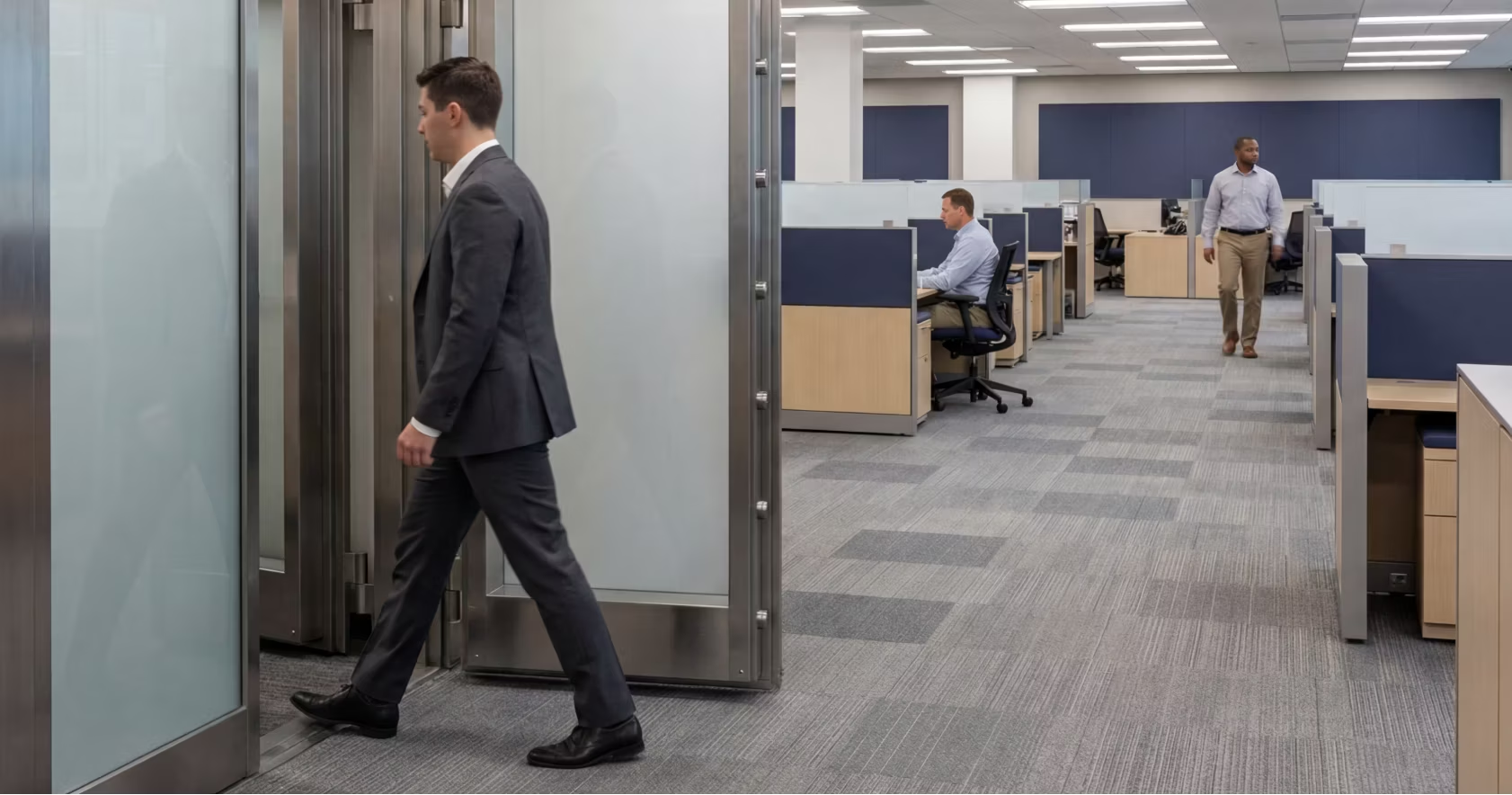
Modern access control processes authentication while employees walk through entry points—no stops or interaction required. This high-density deployment accommodates multiple simultaneous access attempts without creating queues, ideal for integration with biometric turnstiles.
3. Cash vault authentication and absolute verification
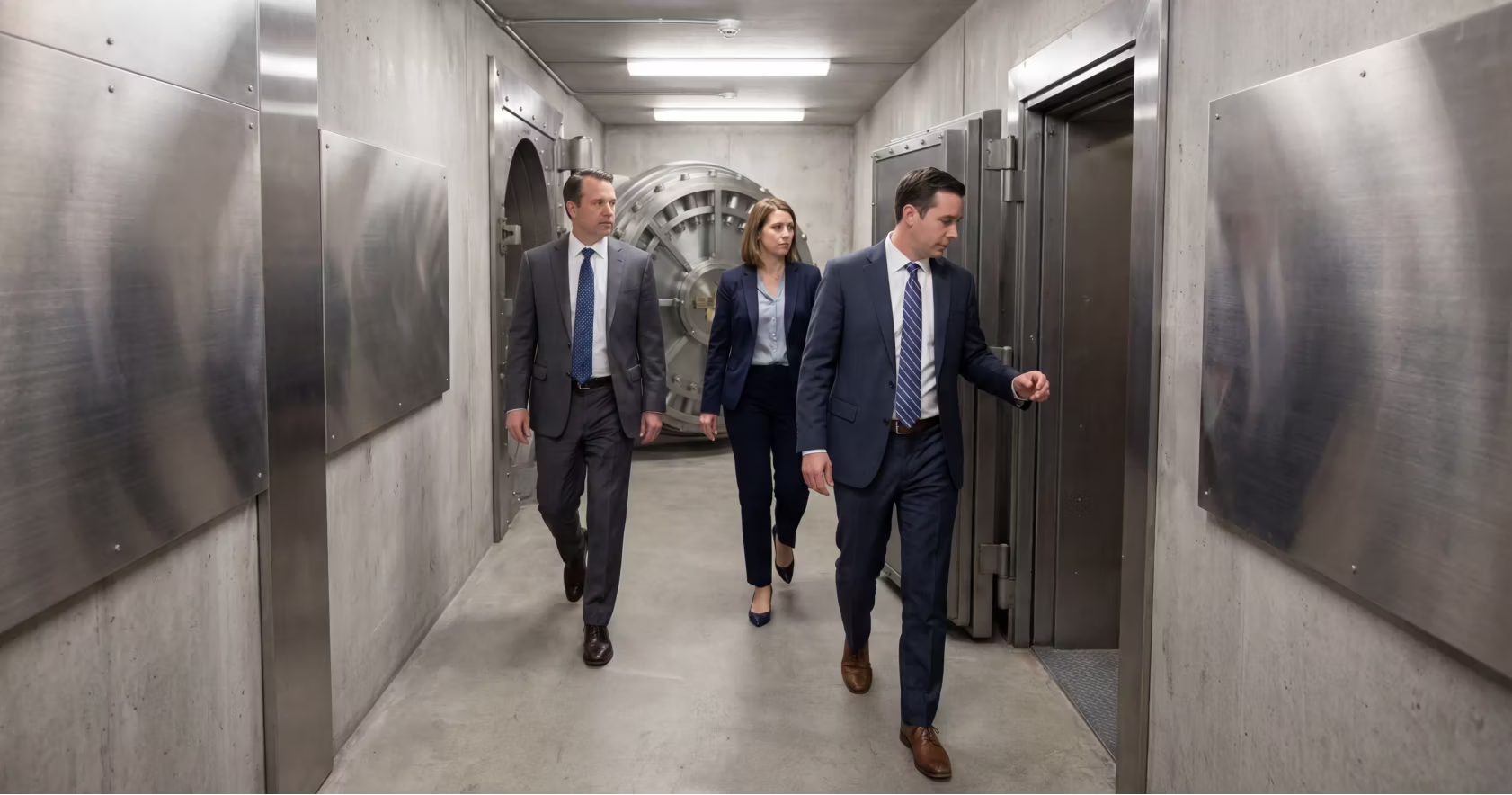
Cash handling areas require absolute identity verification. Zero-trust principles apply here; the system never assumes authorization based on proximity.
- Mantrap integration with multi-factor authentication for maximum security zones.
- Real-time monitoring with authentication verification and incident alerts.
- Automated audit trails satisfying compliance requirements.
How facial authentication technology works in banking?
Modern banking environments demand anti-spoofing technology that exceeds consumer-grade protections. While smartphone facial recognition suffices for personal use, financial institutions require enterprise-grade liveness detection that addresses sophisticated attack methods.
Privacy-first architecture
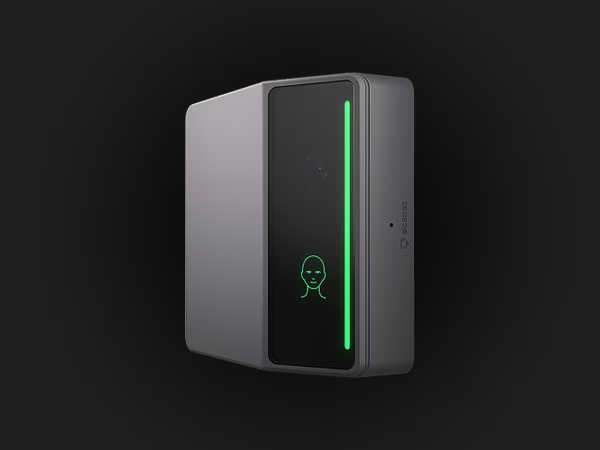
Banks process anonymous facial vectors rather than storing recognizable employee images. The technology converts facial geometry into encrypted mathematical representations that mean nothing without corresponding identity information.
- Encryption: Military-grade AES 256 encryption at edge and database levels.
- Transmission: TLS 1.2/1.3 secures data in transit.
- Segregation: Complete separation between access control data and authentication systems ensures employee privacy.
Advanced liveness and environmental detection
Enterprise-grade systems distinguish authentic facial structure from flat images through multiple verification layers:
- 3D depth analysis detecting living tissue versus photographic materials.
- Infrared sensors analyze skin characteristics across different light frequencies.
- Motion detection identifies natural human micro-movements.
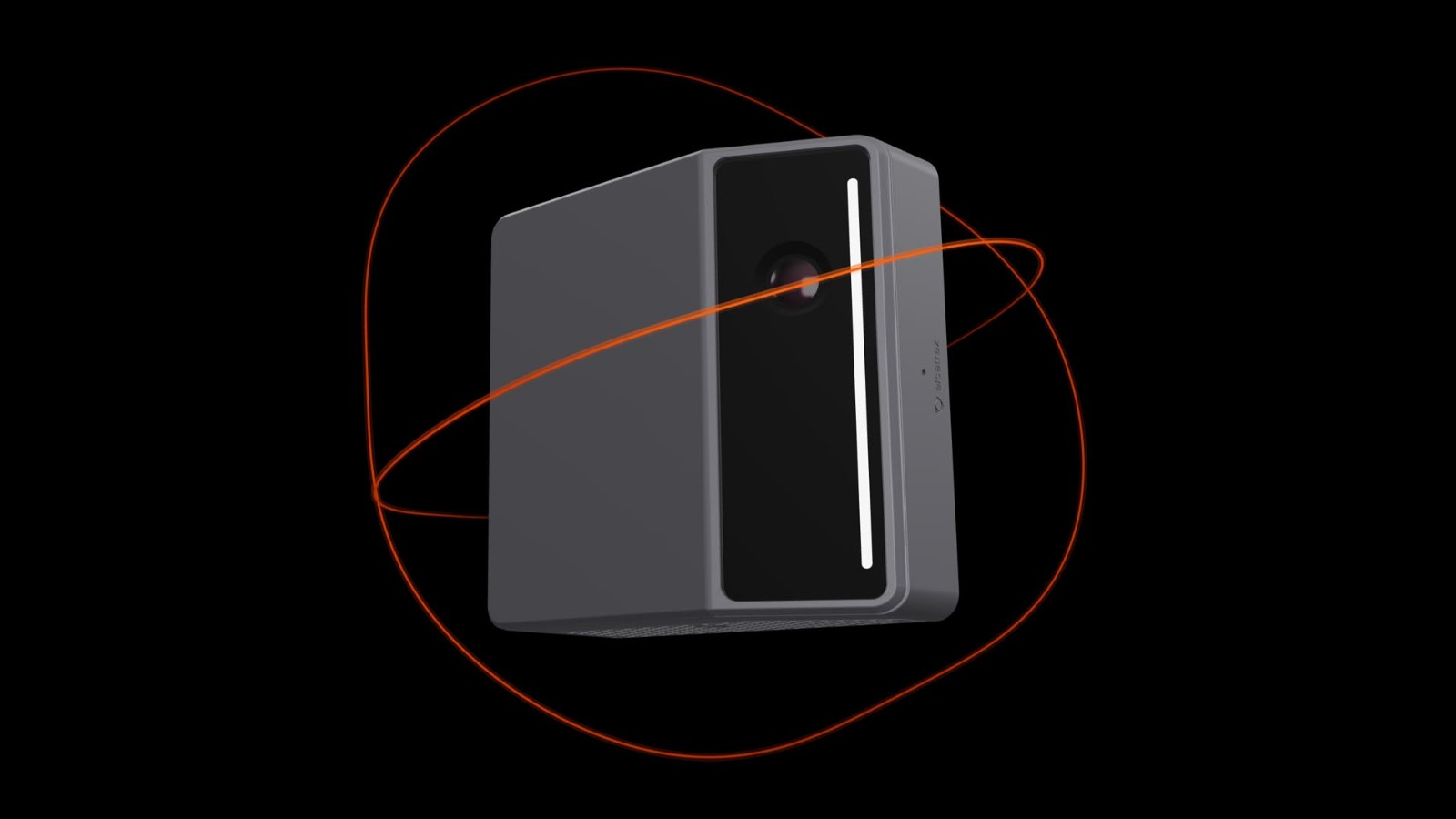
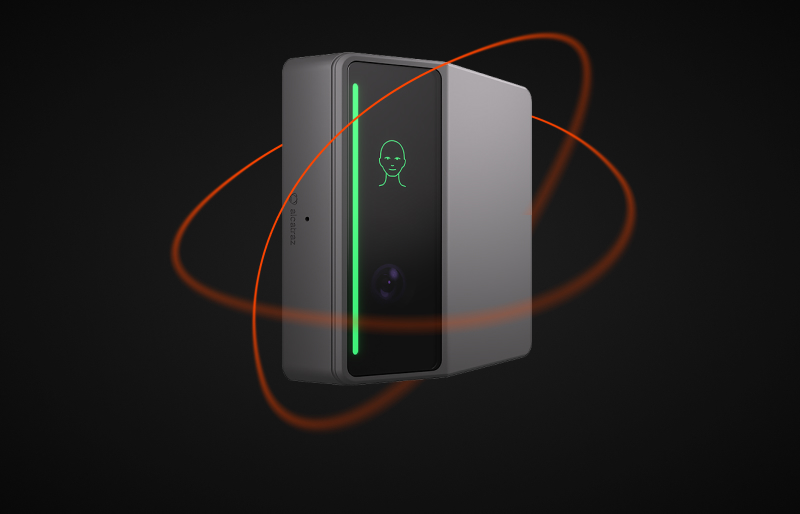
This technology is built for extremes, operating at -40°F in parking garages and 150°F on rooftop data centers. With the Rock X, rain, snow, and blazing sun do not disrupt operations.
Seamless integration and rapid deployment
Standard Wiegand and OSDP protocols enable compatibility with existing access control panels from any manufacturer. Most banking organizations complete initial deployment within 4-12 weeks through phased rollout strategies.
Insider threat access control: the human factor
While technical solutions have matured, human-centric models remain critical. The banking sector has increasingly become a prime target for insider threats originating from within organizations.
Detection through behavioral patterns
Physical access patterns provide crucial behavioral indicators. If an employee who normally accesses the building Monday through Friday at 8:00 AM suddenly appears at 2:00 AM on Sunday, the system flags the anomaly.
This technology combines biometric verification with behavioral analytics. It doesn't just verify identity—it analyzes access patterns to identify potential threats before they escalate.
Accountability and audit trails
Traditional badge systems create ambiguity about who accessed restricted areas. Biometric authentication eliminates this entirely. Each access event ties directly to a specific individual through unforgeable biological characteristics, providing forensic evidence for investigations.
The future of banking workforce security
The convergence of AI, behavioral analytics, and biometric authentication creates unprecedented capabilities. Systems learn normal patterns and identify anomalies with increasing accuracy over time.
Facial Authentication as a Service (FAaaS)
This model ensures future-proof deployment. Unlike traditional hardware that becomes obsolete, modern platforms deliver continuous updates, whether in the cloud or on-premise.
The Financial Fraud Detection and Prevention market is projected to grow from $24.31 billion in 2024 to $27.27 billion in 2025 at a 12.2% CAGR, underscoring how seriously institutions are now investing in advanced fraud controls and authentication technologies.
Banks can no longer rely on what employees know (passwords) or what they have (badges). What they are—their biometric characteristics—must become their proof.
Ready to transform your banking security?
The future of financial institution security begins with eliminating credential-based vulnerabilities. Discover how Alcatraz AI delivers privacy-first facial authentication that protects your workforce while exceeding regulatory requirements.
Schedule a demo with banking security specialists to discuss solutions tailored to your operational needs.