




How autonomous access control revolutionizes security: the future is frictionless

Imagine it’s Monday, 8:47 AM. An employee swipes into your data center. Someone behind them catches the door. Your cameras record it. Your badge system logs one entry. Two people entered your most sensitive facility. As a result of this security gap - you now have a multi-million dollar lawsuit at your hands.
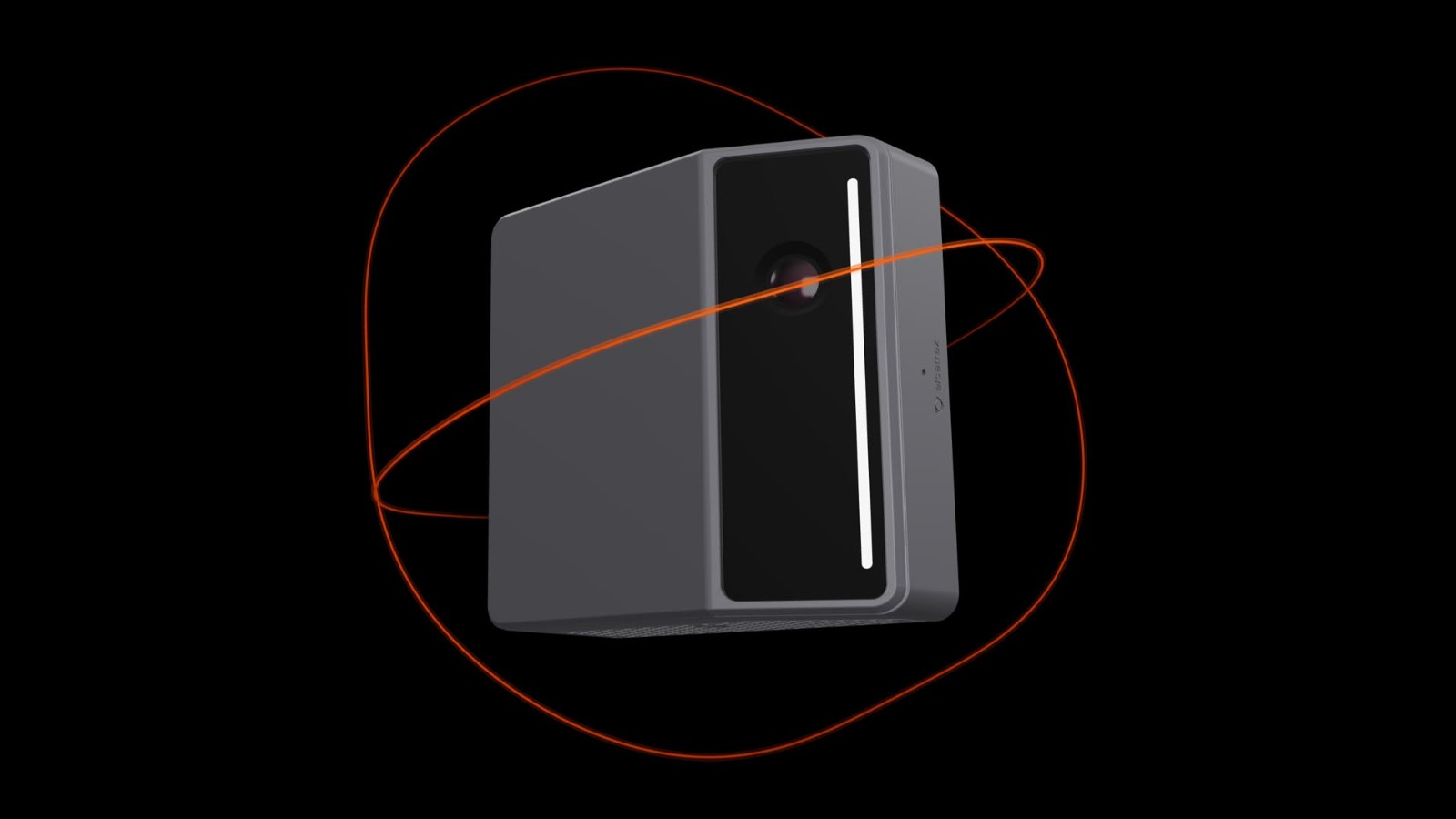
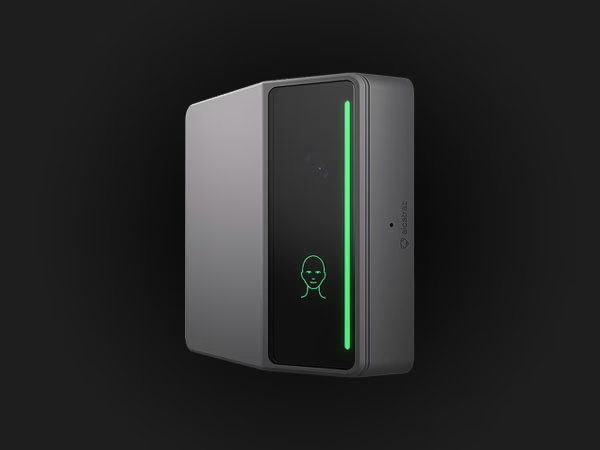
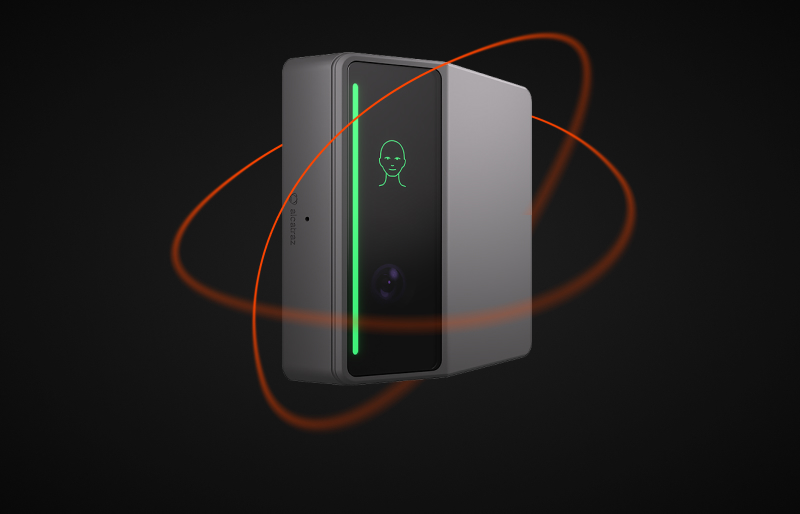
Autonomous access control like Rock X eliminate this gap between what your security system knows and what actually happens. Modern enterprises now deploy AI-powered facial authentication that authenticates every individual, detects unauthorized entry attempts, and operates continuously without human oversight. This transforms access control from a reactive tool into an intelligent security layer.

Key takeaways
- The blog explains how autonomous access control closes the gap between what access logs show and what actually happens at doors (especially tailgating).
- It argues that traditional badge/PIN systems fail because they authenticate credentials, not people, create heavy admin overhead, and provide limited real-world visibility beyond scan logs.
- Autonomous access control is framed as “self-driving security”: real-time decisions, continuous operation, and systems that improve through learning with minimal human oversight.
- The approach is built on AI-driven facial authentication (including 3D sensing) to enable fast, touchless, frictionless entry.
- A major benefit highlighted is AI tailgating detection that can alert when multiple people enter on one authentication event and, in advanced setups, require each individual to authenticate.
- The blog also emphasizes privacy/compliance principles (explicit enrollment/consent, encrypted templates rather than photo storage, and regulatory alignment).
Why traditional access control fails modern enterprises?
Enterprise security teams manage thousands of credentials daily. Badges get lost, stolen, or shared. PINs circulate through text messages.
The three critical vulnerabilities
Traditional systems create three major gaps in your security:
- Authenticating credentials, not people: They authenticate the badge, not the person holding it. Anyone with a valid card gains entry regardless of authorization.
- Administrative overhead: Security staff must constantly issue replacements, update permissions, and investigate incidents. These generate massive work for your team.
- Zero insight: They provide no visibility into actual security events beyond a simple log like "badge scanned at 9:15 AM."
Organizations seeking enhanced security face a fundamental question: “How do you protect facilities when legacy access control methods were designed for a simpler threat landscape?”
What autonomous access control actually means?
Autonomous access control operates like self-driving technology applied to facility security. The system makes real-time authentication decisions. It learns from every interaction, and continuously adapts without requiring constant human intervention.
The three pillars of autonomous security
These core components work together to eliminate manual bottlenecks and create a seamless, self-managing security environment.
- AI-Driven authentication
This pillar replaces manual credential verification with biometric identification at walking speed. Employees approach entry points naturally. No fumbling for badges, no stopping to scan cards, no typing PINs while juggling coffee and laptops.
- Continuous learning
Systems improve accuracy over time. Machine learning algorithms analyze millions of authentication events, identifying patterns that distinguish legitimate access from potential threats.
Note: The facial recognition market grew from $9.30 billion in 2025 to a projected $10.69 billion in 2026, driven by this enterprise adoption.
- Automatic administration
Users self-enroll using existing credentials. This reduces security team bottlenecks and accelerates adoption. Access permissions can sync with identity systems, so role changes update access rights without constant manual handling.

3D facial authentication: the foundation of touchless access control
2D facial recognition analyzes flat images vulnerable to spoofing attacks using photographs or video displays. In contrast, 3D facial authentication maps depth across facial geometry. It creates a three-dimensional profile that distinguishes living humans from representations.
The Market Reality: 3D technology dominated 39% of the facial recognition market in 2025, specifically because enterprises demand anti-spoofing capabilities. Security directors cannot accept systems that someone can defeat with a printed photograph.
Autonomous enrollment transforms user onboarding
Picture this: You're deploying new security infrastructure across a 5,000-person campus. Traditional badge systems require weeks of scheduling, photographing, encoding, and distributing credentials. IT teams coordinate with HR. Security staff manage enrollment stations. Employees wait in lines.
The new model: flip the script
Autonomous access control flips this model completely. Instead of waiting in lines, the process becomes instant:
- Download: Employees download a mobile app.
- Verify: They verify their identity through existing credentials.
- Capture: They capture a few facial angles with their smartphone camera.
- Complete: Enrollment finishes in under three minutes.
Universities onboard thousands of students within hours using this approach, eliminating the logistical nightmare of traditional credential distribution.
Instant permission syncing
The system links biometric templates to existing access permissions automatically. An employee authorized for Building A, Floor 3, Server Room 301 receives those exact privileges instantly.
- No manual permission mapping.
- No security team intervention.
- No administrative delay.
How AI-powered tailgating detection prevents security breaches
AI-powered cameras monitor entry points to identify when multiple individuals pass through single authentication events. The system counts bodies, matches them against authentication records, and generates real-time alerts when numbers do not align.
Advanced implementations go further as they prevent door closure until every individual authenticates:
- Employee A scans their badge
- The system detects Employee B approaching behind them.
- The door remains locked until Employee B authenticates separately.
This physically prevents unauthorized access rather than just recording it.
Real-time threat identification
Not all tailgating is malicious. Autonomous systems distinguish innocent tailgating (two employees chatting while entering together) from potential security threats (an unauthorized individual deliberately following an employee). Machine learning analyzes approach patterns, movement speeds, and body positioning to assess risk levels.
Alcatraz physical access control security meets privacy: Built for compliance
Organizations implementing biometric authentication immediately confront privacy concerns. Facial recognition surveillance systems scan crowds without consent. This creates justifiable public anxiety about mass surveillance.
But biometric authentication is not the same as facial recognition. Our technology operates under fundamentally different principles:
- Explicit Consent: Users explicitly enroll by providing informed consent.
- Encrypted Data: Systems store encrypted mathematical templates. They do not store facial photographs.
- Data Isolation: Biometric data remains isolated from personal identification information.
- Local Processing: Processing happens locally at authentication devices rather than centralized databases.
Regulatory alignment
This privacy-by-design approach aligns with BIPA, CCPA, GDPR, and FERPA regulations. Organizations protect sensitive biometric information while maintaining security effectiveness. Privacy and security become complementary rather than competing objectives.
User control and transparency
Users maintain control throughout the process. Enrollment is voluntary. Individuals review exactly what data the system collects and how it is used. Employees can revoke consent and delete biometric templates at any time. Transparency builds trust that surveillance-based systems can never achieve.
Transform your security infrastructure with Alcatraz
Organizations implementing autonomous systems position themselves at the forefront of security innovation. They deliver measurable ROI through operational efficiency and incident prevention.
Autonomous access control represents the next transformation.
Ready to eliminate credential vulnerabilities and streamline facility security?
The Rock X by Alcatraz AI delivers the future of autonomous access control. Schedule a demo with our security experts today. We will show you exactly how autonomous facial authentication transforms security across your enterprise facilities.