




9 ways universities use facial authentication to eliminate campus security risks
Campus security directors face a tough challenge. Students expect frictionless access like unlocking their iPhones, yet universities rely on vulnerable ID cards that get lost, stolen, or shared daily.
A typical 20,000-student campus replaces approximately 4,000 lost or stolen cards annually, at a cost of over $200,000 in direct replacement expenses alone.
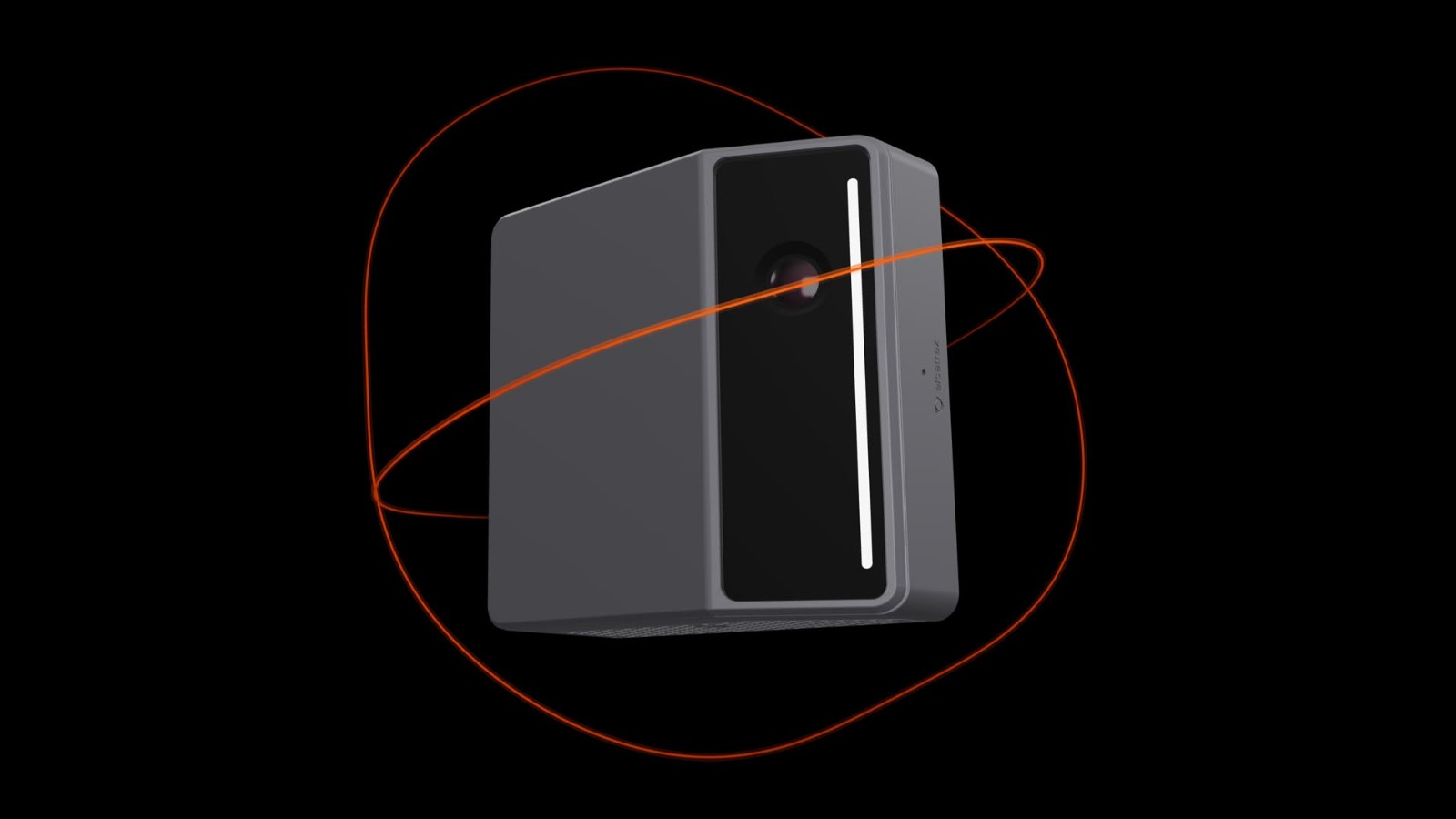
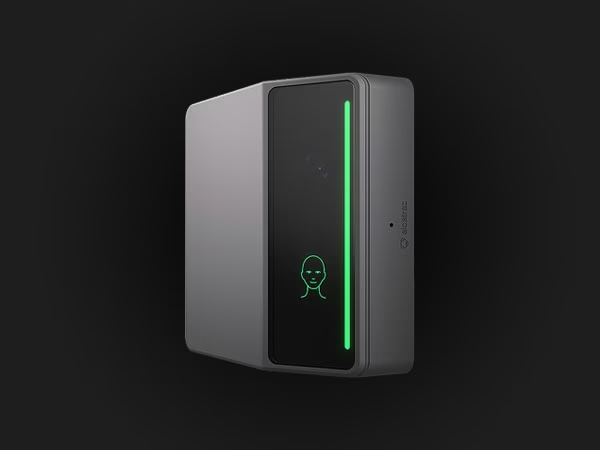
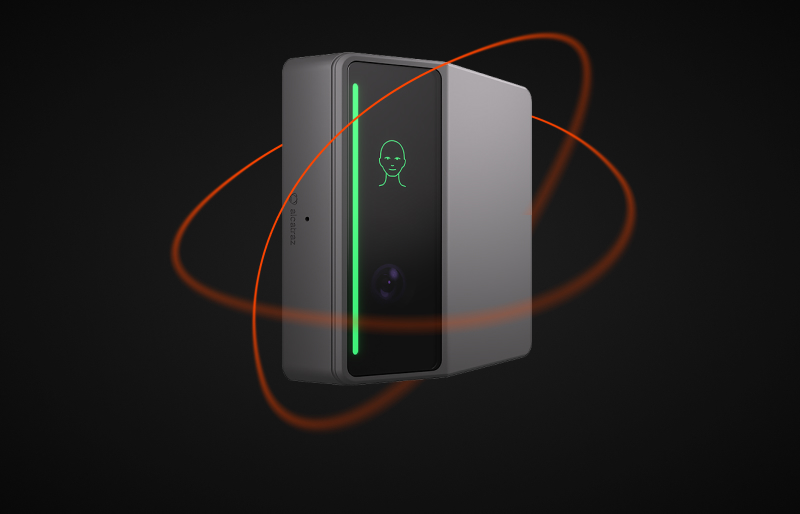
Facial authentication eliminates these credential vulnerabilities. Leading institutions now deploy technologies like Rock X across critical campus environments. This transforms security from a friction point into an invisible safety layer, protecting users while delivering the modern experience they expect.
Key takeaways
- A typical 20,000-student campus loses around 4,000 ID cards annually, at a cost of over $200,000, creating significant security vulnerabilities.
- Research facilities implementing biometric access control report a 68% reduction in security incidents involving unauthorized access to sensitive materials.
- Facial authentication uses opt-in, encrypted mathematical templates rather than stored images, ensuring full compliance with FERPA and BIPA privacy laws.
- Modern AI algorithms undergo rigorous NIST testing to guarantee equitable, highly accurate performance across all racial groups, genders, and ages.
- With 81% of organizations adopting a Zero Trust model, universities are increasingly deploying frictionless facial authentication across critical campus environments.

Why traditional campus credentials create security risks
Before exploring solutions, understanding the problem proves essential. University access control systems based on physical credentials suffer from three fundamental vulnerabilities that no policy enforcement can overcome.
The credential sharing problem
Students routinely share access cards with roommates, friends, and study partners. This behavior undermines security protocols because the system cannot distinguish between authorized cardholders and whoever holds the card. Campus security professionals consistently cite this as a top concern, yet traditional systems offer no technical solution.
The lost credential window
When students lose ID cards, a dangerous exposure period opens between loss and deactivation. During this window, anyone who finds the card gains access to every facility a student can enter. Universities cannot eliminate this risk without removing physical credentials entirely.
The tailgating epidemic
Even when students properly secure their credentials, tailgating creates persistent vulnerabilities. One student authenticating through a card reader opens the door for multiple unauthorized individuals to follow. While tailgating prevention technologies exist for card systems, they add cost and complexity. They also depend on students willing to confront friends holding doors open.
Understanding facial authentication vs facial recognition
Many stakeholders confuse facial authentication with facial recognition surveillance. These technologies serve fundamentally different purposes.
- Facial recognition identifies unknown individuals by comparing captured images with large databases, often without consent. This raises civil liberties concerns.
- Facial authentication verifies the identity of known, enrolled individuals. Students actively opt into the system. It confirms "you are who you claim to be" using biometric credentials instead of passwords.
No mass surveillance occurs. No unknown individuals are identified. Comprehensive privacy protections apply.
How facial authentication works on campus?
The technology combines AI, machine learning, and privacy-by-design principles to create secure access control that works at walking speed.
The enrollment process
Students enroll via a mobile app using their existing university credentials. The system captures facial features and converts them into an encrypted biometric template. This is a mathematical representation, not a stored image. Modern platforms enable thousands of students to self-enroll within hours.
Real-time verification
When students approach entrances, cameras detect their presence and capture their facial geometry in real time. Advanced algorithms compare this capture against enrolled templates while accounting for lighting, glasses, and appearance changes.
The process completes in milliseconds, allowing authentication at natural walking speed.
9 critical applications transforming campus security
Universities deploy facial authentication for campus security across distinct environments, each addressing specific vulnerabilities while enhancing user experience. Here's how leading institutions eliminate security risks in their most challenging spaces.
1. Securing student housing and residence halls
Student housing represents the most personal space on campus. Residence halls require 24/7 access management that protects students while maintaining a community atmosphere essential to student life.
Eliminating housing vulnerabilities
Traditional card systems fail here consistently. Students share credentials or prop doors open. A November 2024 incident at the University of Alabama illustrated these dangers: a person not associated with the university entered Mary Burke Hall by following a resident through a secure entrance, was found lurking in dormitory hallways, and approached female students in a communal bathroom before being arrested for trespassing.
- No lost cards: You cannot lose or share your face. Students authenticate while carrying groceries or laundry, without having to search for their cards.
- AI-powered tailgating detection: The system identifies multiple individuals within the camera's field of view and alerts security staff in real time.
- Flexible guest management: Students pre-register visitors through mobile apps for specific time windows, creating audit trails.
This ensures reliable authentication that works in various lighting conditions without compromising resident convenience.
2. Protecting research laboratories and intellectual property
Research facilities house millions in specialized equipment and proprietary work. Precise access controls are mandatory for compliance with grant requirements and for protecting sensitive data.
How it protects high-value research
Different research teams need access only to their specific spaces, and grant sponsors demand detailed audit trails. Equipment worth hundreds of thousands of dollars needs protection from unauthorized access or tampering that standard keys cannot guarantee.
- Granular permissions: Researchers authenticate only for their specific laboratories. Access rights update instantly as project teams change.
- Compliance documentation: Automated logging records exactly who accessed facilities and when, satisfying strict requirements from sponsors.
- Temporary access: Visiting scholars receive time-limited authentication that expires automatically at the conclusion of the project.
Research facilities implementing biometric access control report 68% fewer security incidents involving unauthorized access to sensitive materials.
3. Securing administration offices with sensitive records
Administrative buildings house records requiring strict protection under FERPA. Security must accommodate legitimate access while preventing unauthorized entry to restricted areas.
Ensuring FERPA compliance
FERPA explicitly requires institutions to maintain physical security and restrict access to areas containing student education records. Since credential abuse remains the dominant initial access vector in data breaches, universities need better audit trails than what card systems provide. Administrative zones need clear boundaries between public reception areas and secure storage rooms containing financial or academic data.
- Automatic documentation: Facial authentication creates immutable logs of who accessed areas containing education records.
- Role-based boundaries: Student workers who access front offices may not enter the records storage rooms. The system enforces these boundaries automatically.
- Visitor control: Parents or external parties receive temporary access to meeting areas, but not to secure records storage.
This eliminates judgment calls that create compliance risks when managing high-volume administrative traffic.
4. Protecting faculty offices and departmental spaces
Faculty offices contain confidential research, student information, and competitive intellectual property. These areas require security without impeding the collaborative nature of higher education.
Balancing security with collaboration
Departments need flexible access management that doesn't require constant intervention from the central security office. Faculty members often collaborate with graduate students or visiting scholars and need a way to grant access quickly and securely.
- Department-wide management: Administrators assign permissions that automatically grant access across common areas and shared research spaces.
- Faculty control: Professors can grant temporary access to graduate students or collaborators without involving the security office.
- Privacy first: The system uses encrypted templates rather than stored images, protecting faculty biometric data.
The system logs access events rather than performing surveillance, preserving academic freedom while ensuring safety.
5. Securing critical campus infrastructure
Facilities housing HVAC, electrical, and telecommunications equipment require restricted access to ensure operational continuity. Disruption here affects the entire campus.
Protecting operational continuity
Only qualified maintenance personnel should access specific infrastructure areas based on training. The average cost of achieving regulatory security compliance now stands at $5.47 million annually, making automated, error-free access control systems essential for operational efficiency.
- Qualified access only: A plumbing technician is authorised to work on water systems but not on electrical systems.
- Contractor integration: External vendors receive time-limited authentication for scheduled maintenance windows.
- Emergency override: Designated personnel can authorize emergency entry during crises while the system documents all access.
This prevents unauthorized tampering with critical systems that keep the university running.
6. Streamlining dining hall access
Cafeterias serve hundreds of students simultaneously. Traditional card scanning creates bottlenecks during peak hours and struggles with meal plan fraud.
Optimizing dining operations
Dining facilities face unique throughput demands, where even a single delay can create long lines. Traditional verification methods that require stopping to swipe or scan cards are too slow for peak periods when hundreds of students arrive at once.
- Frictionless entry: Students verify meal plan eligibility at walking speed, eliminating lines during peak dinner hours.
- Automatic tracking: The system decrements meal plans and verifies balances instantly without separate transactions.
- Revenue protection: It eliminates card sharing where students lend credentials to unauthorized users.
Real-time reporting provides dining staff with immediate data on capacity utilisation and meal plan consumption.
7. Managing study rooms and learning spaces
High-demand areas like study rooms require management that supports collaboration while enforcing reservations. These spaces are vital for academic success but difficult to police manually.
Better space management
During exam periods, study room competition is fierce, and unauthorized users frequently occupy reserved spaces. Universities need a system that automatically enforces reservations and allows flexible group access without administrative overhead.
- Reservation enforcement: Only students holding current reservations authenticate successfully during their time blocks.
- Group permissions: Project teams receive temporary shared access to reserved rooms without the need for complex credential management.
- 24/7 support: Reliable authentication enables extended library hours without additional security staffing.
Space utilization analytics help administrators optimize allocation based on actual usage patterns.
8. Enhancing athletic and recreation facility security
Recreation centers serve diverse populations with varying privileges, from elite student-athletes to general staff. Managing these tiers requires sophisticated control.
Tiered access control
Athletic facilities house valuable equipment and require strict separation between general recreation areas and specialized team training rooms. Staff cannot manually verify the membership status of every individual entering during high-traffic periods.
- Membership verification: The system automatically distinguishes among undergraduates, faculty, and premium members.
- Equipment protection: Restricted zones containing valuable sports equipment remain accessible only to authorized team members.
- Event management: Administrators can adjust permissions campus-wide for tournaments or special events with simple system updates.
This creates professional-level access management that matches the quality of modern campus athletic facilities.
9. Protecting IT infrastructure and server rooms
Campus IT infrastructure is the digital backbone of the university. It requires the highest level of physical security to prevent network disruptions and data breaches.
Securing digital assets
81% of organizations have fully or partially implemented a Zero Trust security model, making physical protection of IT infrastructure essential to complement digital security strategies. Unauthorized access to server rooms can disrupt campus-wide operations, making role-based access and strict audit trails a necessity.
- Role-based IT access: Network admins access core infrastructure while help desk staff only access user-facing areas.
- Vendor management: Server vendors receive temporary authentication active only during maintenance windows.
- Audit trails: Comprehensive logs provide complete records for data center security audits and regulatory compliance.
Overcoming implementation challenges in campuses
Universities often worry about integration with legacy systems, but modern solutions address this effectively.
Technical integration
Most modern solutions integrate with existing platforms through standard Wiegand or OSDP protocols. Universities continue to invest in platforms such as C-CURE, Software House, and Genetec while adding biometric capabilities. This avoids the cost of a complete system replacement.
Ensuring equity
Modern AI algorithms are trained on diverse datasets to ensure equitable performance across all demographics. NIST testing protocols evaluate algorithms for bias providing independent verification. Alcatraz AI ensures consistent accuracy regardless of race, gender, or age.
Ready to eliminate campus security risks with Alcatraz AI?
Universities nationwide are replacing vulnerable credential systems with technology that enhances security and improves the student experience.
Schedule a demo to learn how Rock X delivers frictionless, secure access control tailored to higher education's unique requirements, and why leading institutions choose Alcatraz AI to protect their campus communities.