




Essential physical security measures every business should implement

Physical security breaches now cost organizations an average of $17.4 million annually, up 7.4% from 2023. While cyber threats dominate headlines, 60% of companies experienced physical security compromises in the past five years.
Organizations face a critical gap. They invest heavily in firewalls but still use outdated key cards to secure server rooms. The weakest link isn't technology, but the physical entry points employees walk through every day.
This guide explores five essential physical security measures that protect facilities, personnel, and data from unauthorized access. Each measure builds on the others, creating a layered defense that addresses both external threats and insider risks.
Key Takeaways
- Legacy access control is failing, with nearly 49% of breaches involving stolen or compromised credentials.
- Tailgating is a primary threat, cited by 61% of organizations as their most prevalent access control issue.
- AI-powered facial authentication provides a frictionless, privacy-first alternative to traditional key cards and PINs.
- Modern security requires a layered approach that integrates biometrics, intelligent video surveillance, and a strong security culture.
Understanding modern physical security
Modern physical security does more than watch doors. It combines technology, processes, and people to control who enters your buildings and where they go.
The cost of failure is high. According to Verizon's 2024 Data Breach Investigations Report, 68% of security breaches involve a human element. The 2025 Ponemon Cost of Insider Risks Global Report found that negligent insider threats alone cost organizations an average of $676,517 per incident and take 81 days to contain.
To combat this, organizations must integrate physical and cyber security. A Zero Trust architecture should extend to physical access, verifying identity at every entry point rather than trusting a plastic card alone.
#1. Implement advanced access control systems
Access control determines who enters your facility. Organizations relying on traditional credentials such as key cards, PINs, or physical keys face increasing vulnerabilities.
Why legacy credentials create security gaps
Traditional systems verify possession of an object, not the person. These outdated methods offer no proof of who is actually holding the card, leaving organizations vulnerable to internal theft and external intrusion.
- Lost or stolen cards: Nearly 49% of all breaches analyzed involved the use of stolen credentials, making card-based systems inherently vulnerable to external intrusion.
- Shared codes: PIN codes spread through organizations as employees share them for convenience, meaning a code provides access whether entered by an authorized employee or an intruder.
- Management issues: 43% of organizations find it challenging to ensure remote employee safety, and managing physical keys becomes impossible when employees leave or keys go missing.
The rise of facial biometric access control
Biometric authentication verifies identity through unique physical characteristics that cannot be shared or stolen. Adoption is accelerating, with 68% of Fortune 500 companies now using facial biometrics. This technology delivers a frictionless experience in which authorized users simply walk through doors without breaking stride or fumbling for badges.
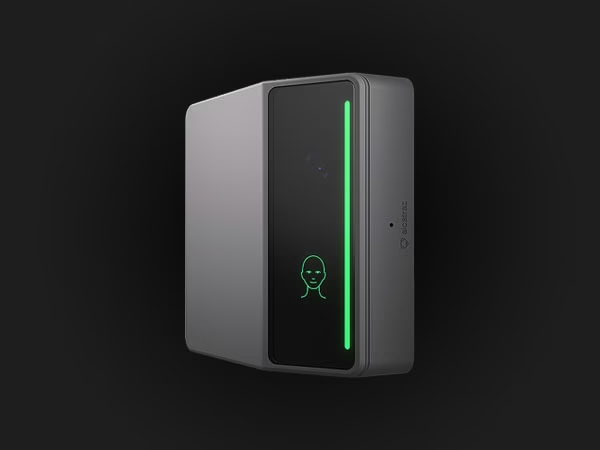
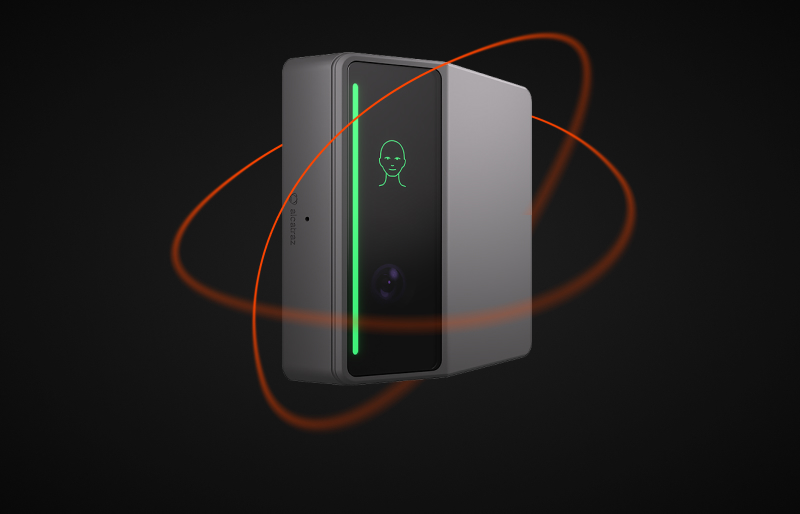
Alcatraz AI provides a privacy-first approach. We use facial authentication, not surveillance. The system creates an encrypted biometric template that verifies identity without storing recognizable images, ensuring compliance with GDPR, CCPA, and BIPA.
#2. Multi-factor authentication for critical access points
The global MFA market is projected to reach $49.7 billion by 2032, driven by the need to secure critical infrastructure without slowing down authorized employees. Multi-factor authentication (MFA) adds an extra layer of security by requiring two or more verification factors before granting access. While MFA is standard for digital systems, its adoption for physical access is critical for high-security areas.
Almost three-quarters of MFA implementations now use biometrics, particularly for physical access control. This approach aligns with strict regulatory standards in industries like finance and healthcare, ensuring that convenience does not compromise security protocols.
For high-security areas like data centers, MFA combines multiple elements to verify identity beyond doubt:
- Something you have: A badge or mobile credential.
- Something you are: Your face (biometrics).
This combination dramatically reduces the risk that stolen credentials will lead to unauthorized access.
#3. Deploy intelligent video intercom systems
Video recognition has evolved from simple recording devices into intelligent threat detection systems. The global video surveillance market reached $33.8 billion in 2024 and is projected to reach $47.9 billion by 2030. This growth reflects the transition from reactive recording to proactive threat intelligence.
Modern systems move beyond invasive recording to become active participants in your security strategy, alerting teams the moment a potential incident begins rather than just recording it for later.
One important thing to notice is that modern video feed systems move beyond surveillance and into threat defection thanks to biometric templates. Such systems are both secure and privacy-compliant.
How AI-powered video content analysis detects threats (without sacrificing privacy)
AI-powered video content analysis (VCA) transforms raw footage into actionable intelligence. Instead of requiring security personnel to continuously monitor dozens of camera feeds, VCA systems automatically detect suspicious activity.
These intelligent systems drastically reduce false alarms, allowing security personnel to focus on genuine risks rather than monitoring static feeds:
- Unusual movement paths: The system identifies when individuals move against the flow of traffic or enter areas inconsistent with their role.
- Loitering in secure areas: Security teams receive alerts when someone lingers near sensitive access points or critical infrastructure for extended periods.
- Attempts to avoid camera coverage: Behavioral analytics can spot individuals actively trying to hide their faces or stay out of the camera's field of view.
Unlike facial recognition used in surveillance - such systems work using biometric templates without recording any images of people. Once a user voluntarily enrols into such a video system - their biometric templates get recorded and credentials approved (voluntary enrollment and processing on the edge are two key technologies, which help ensure privacy).
#4. Stop tailgating before it happens
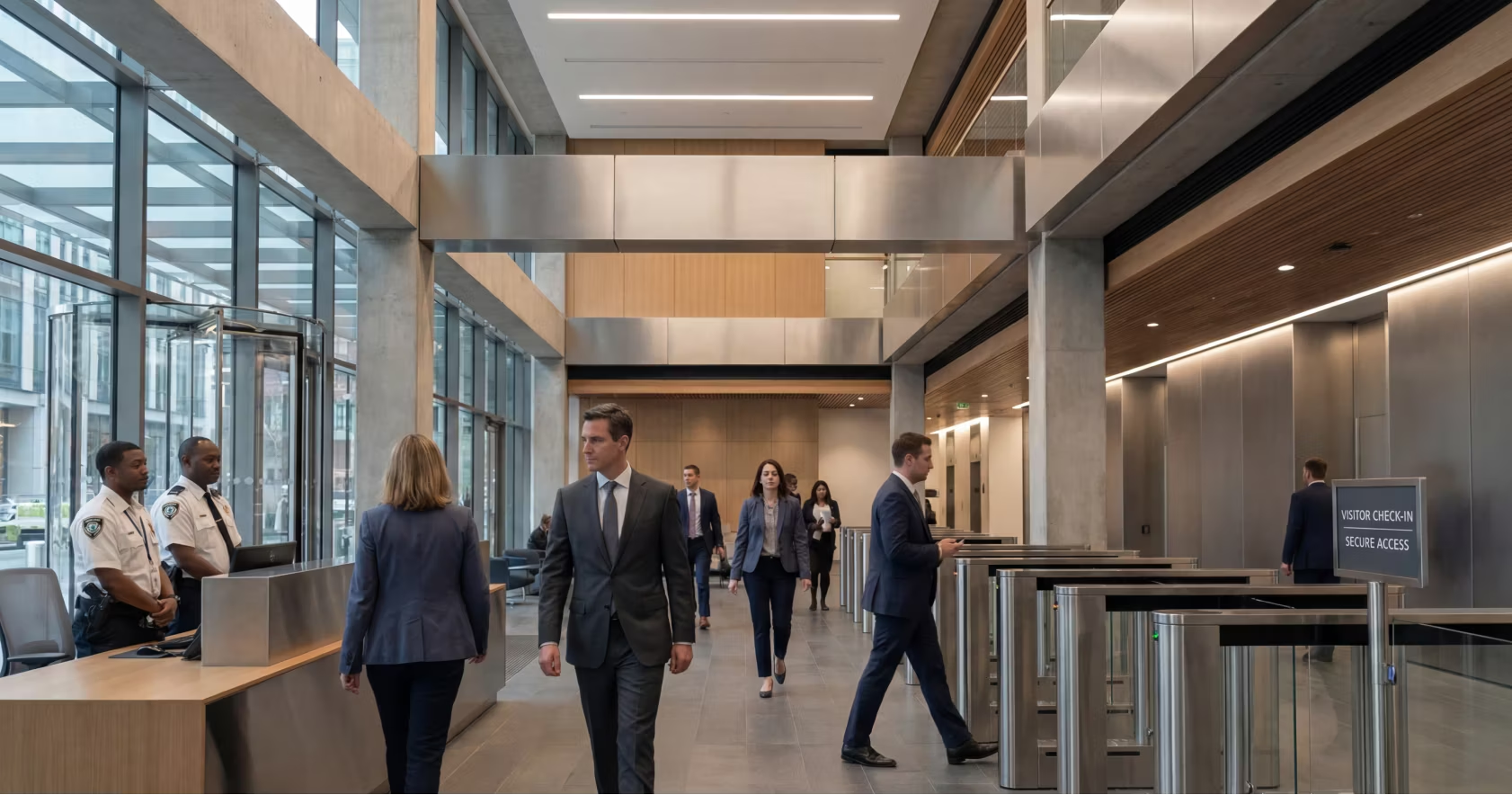
Tailgating occurs when unauthorized individuals follow authorized employees through secure access points. This remains one of the most exploited physical security vulnerabilities. In fact, 61% of organizations cite tailgating as their most prevalent access control issue. Malicious actors frequently exploit social norms of politeness to bypass sophisticated locks, making tailgating the path of least resistance for intruders.
Recent data shows that 48% of facilities were compromised by tailgating during a two-year period. Furthermore, 70% of security professionals believe a tailgating-related security breach is likely to occur at their own facility.
Using anti-tailgating technology
Traditional sensors cannot distinguish between one person and two, but advanced anti-tailgating technology uses AI and 3D sensing to detect when an unauthorized person slips in behind a user.
This capability transforms access control from a passive lock into an intelligent gatekeeper that actively enforces security policies.
- Real-time alerts: Security teams receive immediate notifications with video clips of the breach, enabling rapid response while the individual is still on-site.
- Frictionless enforcement: The system can identify the authorized user who held the door open and either prompt them to correct their behavior or verify the second person's identity.
- Data center protection: In high-risk areas, these systems prevent access to servers that store millions of customer records, enforcing a zero-tolerance policy on unauthorized access.

#5. Build a security-first organizational culture
Technology provides the tools, but people determine the effectiveness. A strong security culture transforms your workforce from a vulnerability into a defense layer. When employees understand their role in protecting the organization, they become the most effective sensors in your security ecosystem, recognizing risks that technology might miss.
Security awareness training that works
Move away from annual compliance checkboxes and focus on regular, scenario-based education. Regular engagement ensures that security remains top of mind, empowering staff to act decisively when they spot irregularities.
- Role-specific scenarios: Teach reception staff how to verify visitors and facilities teams how to secure physical assets during off-hours.
- Handling confrontation: Train employees on how to politely challenge unfamiliar individuals without being rude or putting themselves in danger.
- Frequency: Brief monthly security updates regarding recent threats are far more effective than overwhelming employees with day-long annual sessions.
Reporting and voluntary input
Employees must feel safe reporting suspicious activity without fear of negative consequences. Implement anonymous reporting channels for insider threats and publicly recognize employees who identify vulnerabilities.
Additionally - provide users with a set of clear opt-out rules for biometrics systems and effective guies that explain how technologies work without sacrificing their privacy. These two approaches will reinforce that security is a valued priority and encourages a proactive mindset across the organization.
Real-world implementation: where to start
You do not need to overhaul your entire system overnight. A phased approach allows for progressive security improvements without overwhelming resources. Starting small allows you to validate the technology's impact and demonstrate ROI before scaling it across the entire enterprise.
- Assess vulnerabilities: Walk your facility like an intruder to find propped doors, weak points, or areas where convenience has overtaken security.
- Secure high-risk areas first: Implement facial biometric access control in server rooms, executive offices, and research facilities where the cost of a breach is highest.
- Target primary entries: Deploy anti-tailgating solutions at main entrances where employee traffic is highest, and the risk of unauthorized entry is greatest.
- Integrate systems: Connect video surveillance and access control to create unified audit trails that link specific individuals to entry events, enabling faster investigations.
Ready to upgrade your security?
Physical security investments protect organizations from breaches that cost millions to remediate. Discover how Alcatraz AI’s facial authentication platform delivers privacy-first access control that stops tailgating, eliminates credential vulnerabilities, and strengthens security without compromising user experience.
Schedule a demo to see how industry leaders protect their facilities with next-generation biometric access control.