




Why data center biometric security is non-negotiable
In 2025, compromised credentials accounted for 53% of breaches, making physical access the most vulnerable entry point for data centers. With the average cost of a breach hitting $4.88 million, relying on traditional badge systems and PINs is no longer a viable security strategy.
Privacy-first facial authentication now eliminates these critical vulnerabilities. It maintains high operational efficiency while keeping facilities running safely. Everything stays protected smoothly 24/7 without the need for outdated badges.
Key Takeaways
- Credential Failure: With 81% of breaches involving weak or stolen credentials, traditional badges and PINs are no longer sufficient for securing critical infrastructure.
- Authentication vs. Surveillance: Unlike invasive facial recognition, Privacy-First Facial Authentication verifies identity (1:1 matching) without storing images, ensuring GDPR and BIPA compliance.
- Stop Tailgating Instantly: AI-powered detection identifies unauthorized "piggybacking" in real-time at server cages and loading docks, preventing costly physical breaches.
- Frictionless Operations: Enterprise-grade solutions like Rock X deliver Multi-Factor Authentication (MFA) security at the speed of a single factor—no stopping or fumbling required.
- Future-Proof Security: The Facial Authentication as a Service (FAaaS) model updates software automatically, ensuring your security adapts to new threats without hardware replacement.
The hidden cost of the "Detection Gap"
In the first half of 2025, publicly reported breaches increased by 5%. But for data center security leaders, the real nightmare is the time it takes to realize a breach has occurred:
- Stolen credentials take an average of 292 days to identify.
- Unauthorized access often persists for months.
- Reputational damage can take years to rebuild.
This delay happens because traditional systems authenticate the credential, not the person. Once a badge is lost, stolen, or cloned, the security infrastructure has no way of knowing who is actually walking through the door.
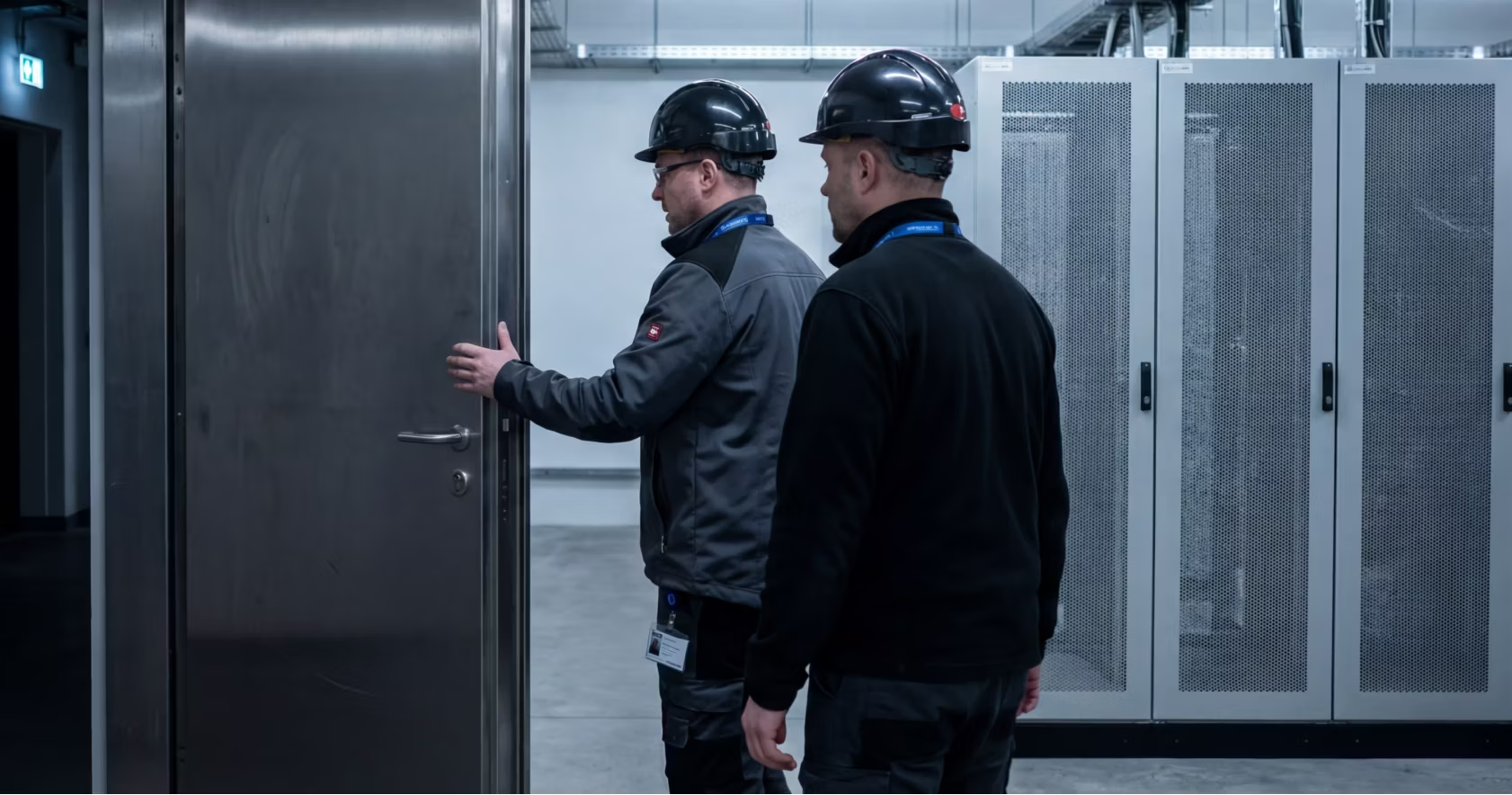
Why do traditional access controls fail in high-security facilities?
The fundamental flaw is reliance on physical tokens. Badges represent a single point of failure that adversaries exploit with regularity.
The tailgating vulnerability
Tailgating is often dismissed as a courtesy issue until it causes a breach. A single instance of "piggybacking" bypasses millions of dollars in firewalls and encryption.
- Financial impact: 41% of security executives estimate that tailgating costs range from $2 million to too high to measure.
- System compromise: Unauthorized individuals gain direct access to server cages and critical infrastructure simply by following an authorized user.
The privacy-first shift: authentication vs. surveillance
A major concern for data centers is navigating compliance (BIPA, GDPR, CCPA). It is crucial to distinguish between surveillance and authentication.
Facial recognition systems scan crowds to identify strangers without consent using massive datasets. In contrast, facial authentication verifies one person against their own enrolled profile, much like unlocking a smartphone.
- Facial Recognition (Surveillance): Scans crowds to identify strangers without consent (1:Many matching).
- Facial Authentication (Privacy-First): Verifies one person against their own enrolled profile, similar to unlocking a smartphone (1:1 matching).
How data is protected?
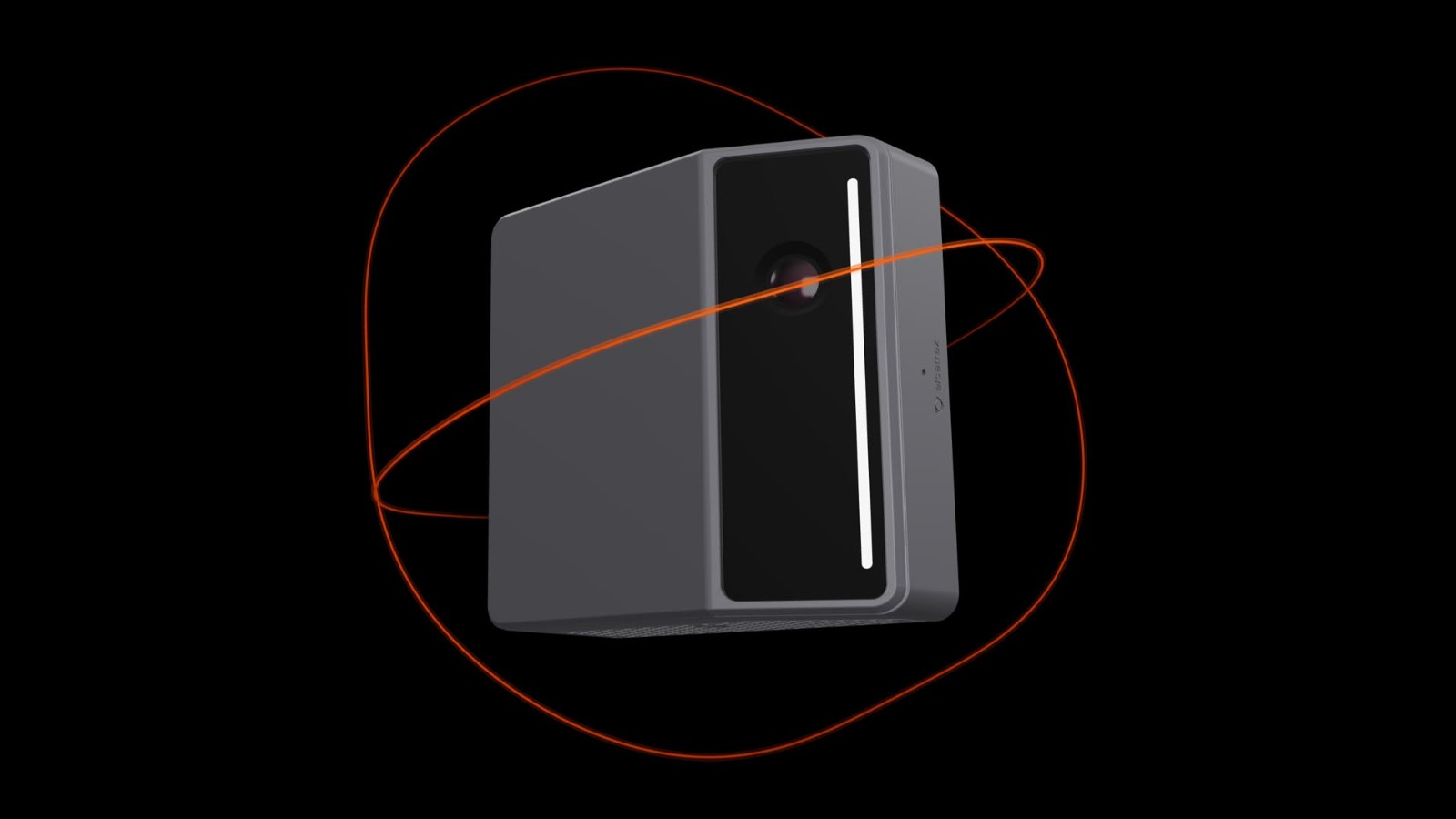
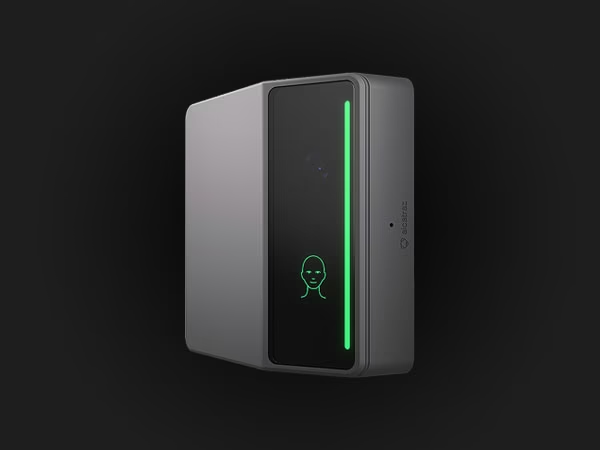
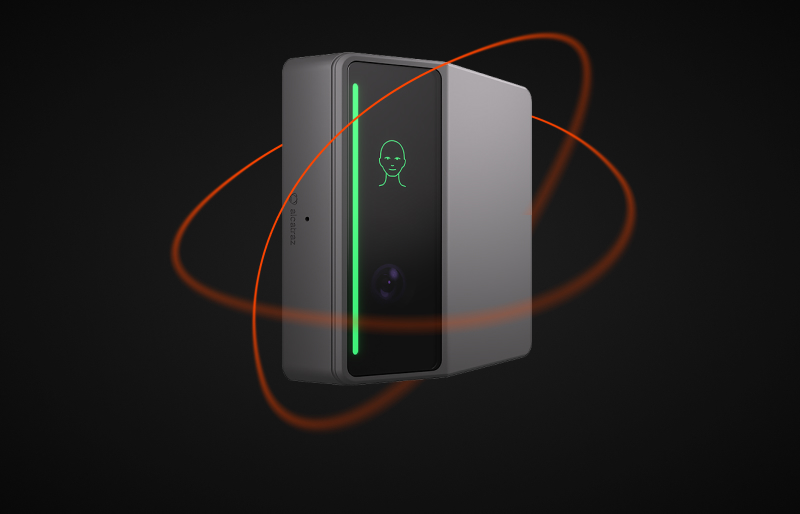
Solutions like Alcatraz’s Rock X use a privacy-by-design approach. They do not store actual photos. Instead, facial features are converted into encrypted "data blobs" (mathematical templates) that cannot be reverse-engineered.
- Local Processing: Data stays on the device, not in a vulnerable public cloud.
- Data Segregation: Biometric info remains separate from client personal data.
- Compliance: This architecture ensures military-grade security while adhering to strict privacy regulations.
How modern biometrics transform data center security?
Enterprise-grade facial authentication solves the "Security vs. Convenience" trade-off.
1: Frictionless access at operational speed
Traditional, strict security often slows down operations. Modern facial authentication allows authorized personnel to enter facilities without stopping or fumbling for credentials. Verification happens in under a second—even in extreme lighting or wearing protective gear—preventing queues during critical shift changes.
2: Multi-factor authentication (MFA) without friction
By 2026, nearly half of MFA systems will include biometrics. The Rock X platform combines "something you are" (face) with "something you have" (badge) automatically.
- Automatic verification: Users get Two-Factor Authentication (2FA) security at the speed of a single factor.
- Zonal security: Security teams can customize requirements—using face-only for general areas and face + badge + PIN for high-value server cages.
3. AI-Powered tailgating prevention
Unlike passive video surveillance that only records a breach after it happens, AI algorithms detect unauthorized entry attempts in real-time. The system distinguishes between authorized staff and intruders, triggering immediate alerts and creating automated audit trails for SOC 2 and ISO 27001 compliance.
Future-Proofing with facial authentication as a service (FAaaS)
Data center infrastructure investments need to last. Traditional hardware becomes obsolete the moment it is installed. The FAaaS model breaks this cycle by delivering continuous updates via the cloud.
- Adaptive security: AI algorithms improve accuracy over time through machine learning.
- No "rip-and-replace": New features deploy automatically without requiring facility downtime or hardware swaps.
- Scalability: The architecture supports everything from single-server rooms to global hyperscale deployments.
Seamless integration for existing infrastructure
Data center operators often fear that upgrading security requires a complete overhaul. However, modern biometric solutions like The Rock are designed to integrate natively with existing access control systems (via OSDP or Wiegand protocols).
Most installations take only a few hours per door, and thousands of employees can be enrolled via mobile app in a single day. This allows facilities to eliminate the vulnerabilities of stolen credentials without disrupting daily operations.
Ready to eliminate credential vulnerabilities?
Don't let a stolen badge be the cause of your next breach. Experience the power of the Rock X, where frictionless access meets military-grade security.
Schedule a demo to see how Alcatraz AI protects high-value assets with privacy-first biometric authentication. Elevate your security standard without slowing down your business.