




Life sciences access control: how biometric authentication secures pharmaceutical facilities
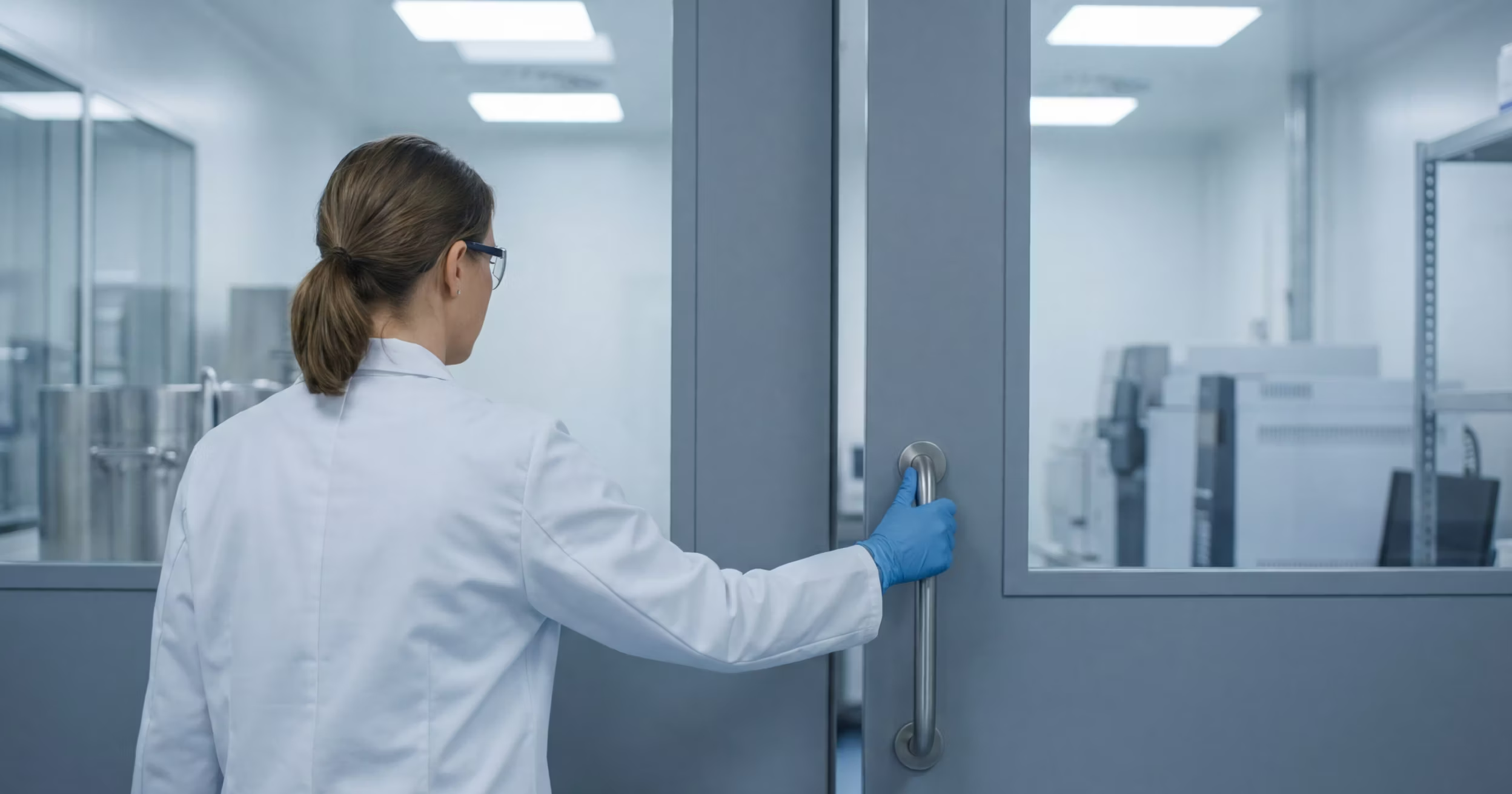
A single unauthorized entry into a pharmaceutical cleanroom can compromise an entire production batch. Traditional access control methods like shared badges, PINs on sticky notes, or fingerprint scanners create vulnerabilities that life sciences facilities cannot afford.
Life sciences organizations handle high-value assets like proprietary drug formulations and clinical trial data. The global prescription drugs market was valued at US$1,240.33 billion in 2024, with over 12,200 medicines in clinical development globally. This innovation requires protection that traditional security measures simply cannot provide.
Key takeaways
- Pharmaceutical manufacturing faces a critical shift with the biometric sensors market projected to reach USD 84.5 billion by 2029.
- Traditional access methods fail to meet FDA 21 CFR Part 211.28 standards, leaving facilities at risk of audit findings and contamination.
- Tailgating remains a top security threat, with 71% of organizations reporting breaches due to unauthorized following at entry points.
- Contactless facial authentication reduces entry time to under 2 seconds, maintaining cleanroom integrity and PPE protocols.
- Privacy-by-design architecture allows life sciences firms to implement high-level security while remaining GDPR, BIPA, and CCPA compliant.

Understanding why dated access control is a problem in Medical Industry
Traditional systems rely on credentials that exist separately from the people who use them. Proximity cards get lost or shared, and PINs often become common knowledge. In sterile environments, fingerprint scanners introduce contamination risks by forcing workers to remove protective gloves.
The pharmaceutical industry faces unique regulatory challenges. FDA regulations under 21 CFR Part 211.28 mandate that only authorized personnel enter limited-access areas. Legacy systems often create compliance gaps that inspectors flag during audits because they cannot guarantee 100% identity verification.
Healthcare experienced a record number of data breaches recently. Many incidents were rooted in physical security lapses. When someone tailgates into a facility, they gain potential access to networks or devices containing sensitive research data.
Understanding biometric access control for pharmaceutical manufacturing
Biometric access control verifies identity using unique physical characteristics that cannot be shared, stolen, or forgotten. Instead of relying on something you have (a badge) or something you know (a PIN), biometric systems authenticate based on who you are.
What makes life sciences facilities different from other industries?
Pharmaceutical manufacturing operates under scrutiny that exceeds nearly every other sector. Facilities contain distinct zones with specific access requirements. A scientist might need access to formulation labs but must be restricted from certain production areas on the same day to prevent cross-contamination.
According to KPMG’s CEO Outlook report 2024, leaders continue to navigate complex, evolving regulatory conditions that can create operational hurdles. Modern access control must enforce role-based policies, document every entry for audits, and provide real-time alerts without slowing down operational flow.

Compliance requirements for FDA, GMP, and privacy
The FDA’s Current Good Manufacturing Practice (GMP) regulations require strict documentation of everyone entering restricted areas.
GMP compliance under 21 CFR Part 11 establishes electronic recordkeeping requirements that manual logs and basic card readers cannot satisfy. Every access event must generate a reliable audit trail.
However, security must balance with privacy. Regulations like BIPA, GDPR, and CCPA impose strict rules on biometric data. The challenge is implementing high-level security without creating a privacy liability. Organizations need authentication systems that verify identity while maintaining a privacy-by-design architecture.
How contactless facial authentication protects cleanrooms?
In environments where a single particle can invalidate a million-dollar batch, hygiene is a mandate. Research from NIOSH emphasizes that contamination prevention starts with eliminating unnecessary contact points.
Eliminating contamination risks
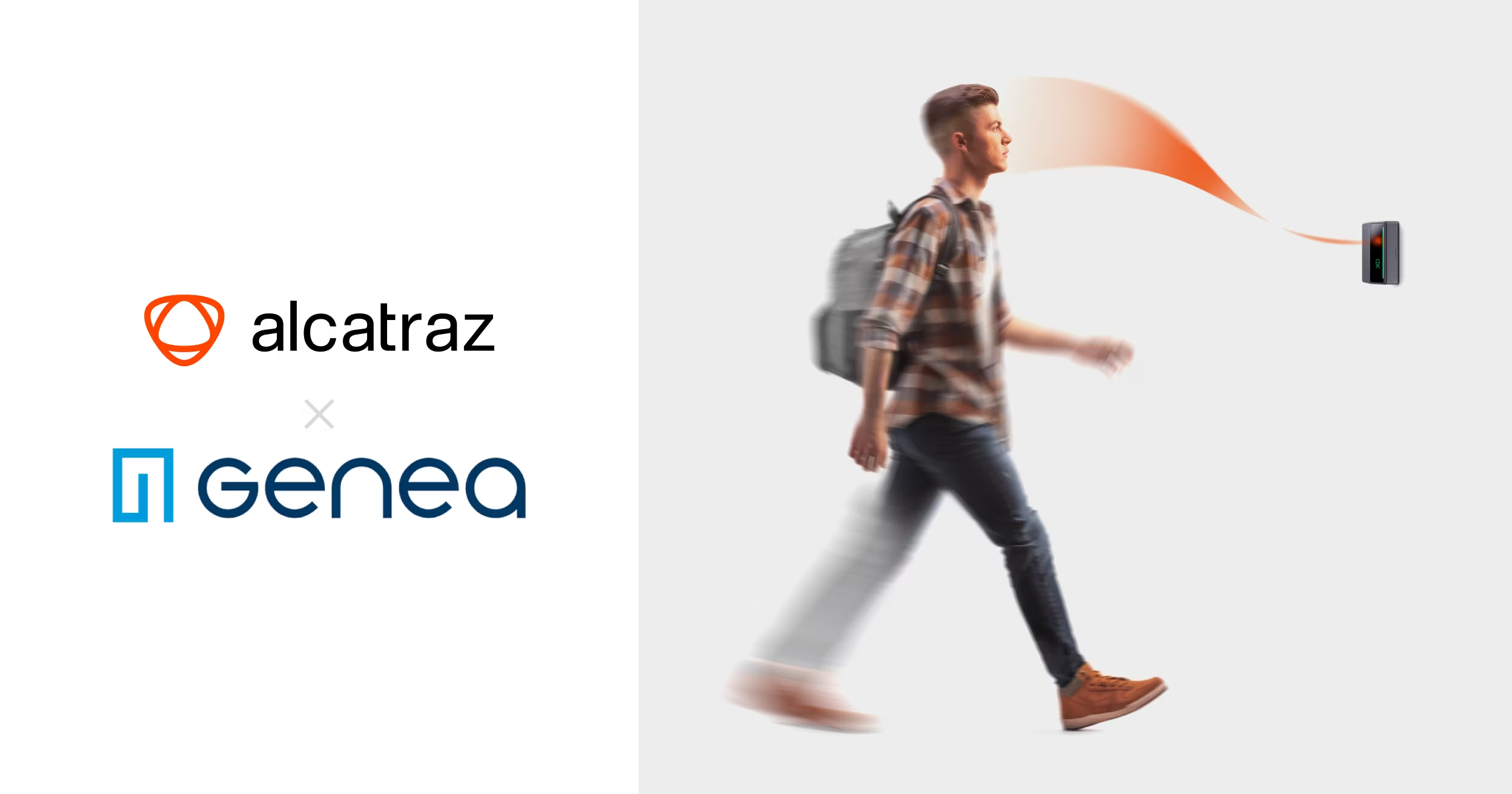
Contactless facial authentication removes the physical interaction required by scanners or keypads.
- Employees walk toward the door at normal speed.
- Authentication occurs within milliseconds using 3D facial mapping.
- Access is granted without touching any surfaces or removing PPE.
Maintaining PPE protocols during high-traffic periods
Shift changes often create bottlenecks. When hundreds of employees arrive simultaneously, traditional methods lead to queues and tempt workers to hold doors open for others.
Frictionless authentication reduces entry time from 8-12 seconds to under 2 seconds, reducing cumulative exposure time in sterile areas and maintaining the flow of operations.
Preventing tailgating and insider threats
Tailgating (piggybacking) is a common cause of unauthorized access, and an ASIS International survey summary reported it as the most prevalent access-control problem (mentioned by 61% of respondents). Traditional badge-based readers verify the credential at the door, not the person, so an unauthorized individual can still slip in by following someone inside.
Real-time detection capabilities
Advanced tailgating detection uses AI video analytics to watch the door area and spot suspicious “follower” entry. It can also match video activity with access-control events and alert security right away.
Comprehensive audit trails for inspections
Audit trails matter because regulators can review records during inspections (for example, DEA inspections include “review records” as part of the on-site process). FDA inspections can also raise findings where access authorization controls are insufficient, so having clear, reviewable access records helps inspection readiness.
- Who accessed the area?
- When the entry and exit occurred.
- Alerts for any unauthorized attempts or tailgating events.
This also helps reduce credential sharing risk by tying access to an individual identity rather than a transferable badge or PIN.
Privacy-first biometric systems versus traditional facial recognition
There is a critical difference between facial recognition used for surveillance and facial authentication used for access control. Traditional systems often store vast databases of images, creating a privacy risk.
Why privacy-by-design matters
Privacy-first systems convert facial geometry into encrypted mathematical templates. These "data blobs" cannot be reverse-engineered into recognizable images. The system does not store names or birthdates; it simply matches the 3D map at the door to the encrypted template in the system.
Global regulatory compliance
Whether operating in Illinois (BIPA), California (CCPA), or Europe (GDPR), a privacy-by-design approach satisfies the most stringent laws. Military-grade AES-256 encryption protects templates at rest and in transit, ensuring that employee trust is built rather than eroded.
Integrating biometric access control with existing infrastructure
Upgrading security doesn't have to mean a "rip-and-replace" of your current investment. Modern solutions are designed to bridge the gap between legacy hardware and advanced AI.
- Seamless Deployment: Devices plug directly into existing access control panels.
- VMS Integration: Built-in cameras can stream video directly to your Video Management System using ONVIF Profiles S and T.
- Scalability: The global access control market is expected to grow at a CAGR of 8.4% from 2025 to 2030, so your system should be able to scale across multiple global sites from a single cloud interface.
The future of pharmaceutical facility security
The pharmaceutical industry is at a security inflection point. With over 12,700 medicines in various stages of clinical development globally, the facilities protecting this innovation must be as sophisticated as the science inside them. Moving from badge-based security to identity-based authentication addresses root vulnerabilities like tailgating, contamination, and compliance failure.
The future of security is not about more restrictions. It is about making access more intelligent and seamless for the people who drive innovation.
Secure your pharmaceutical facility with Alcatraz AI
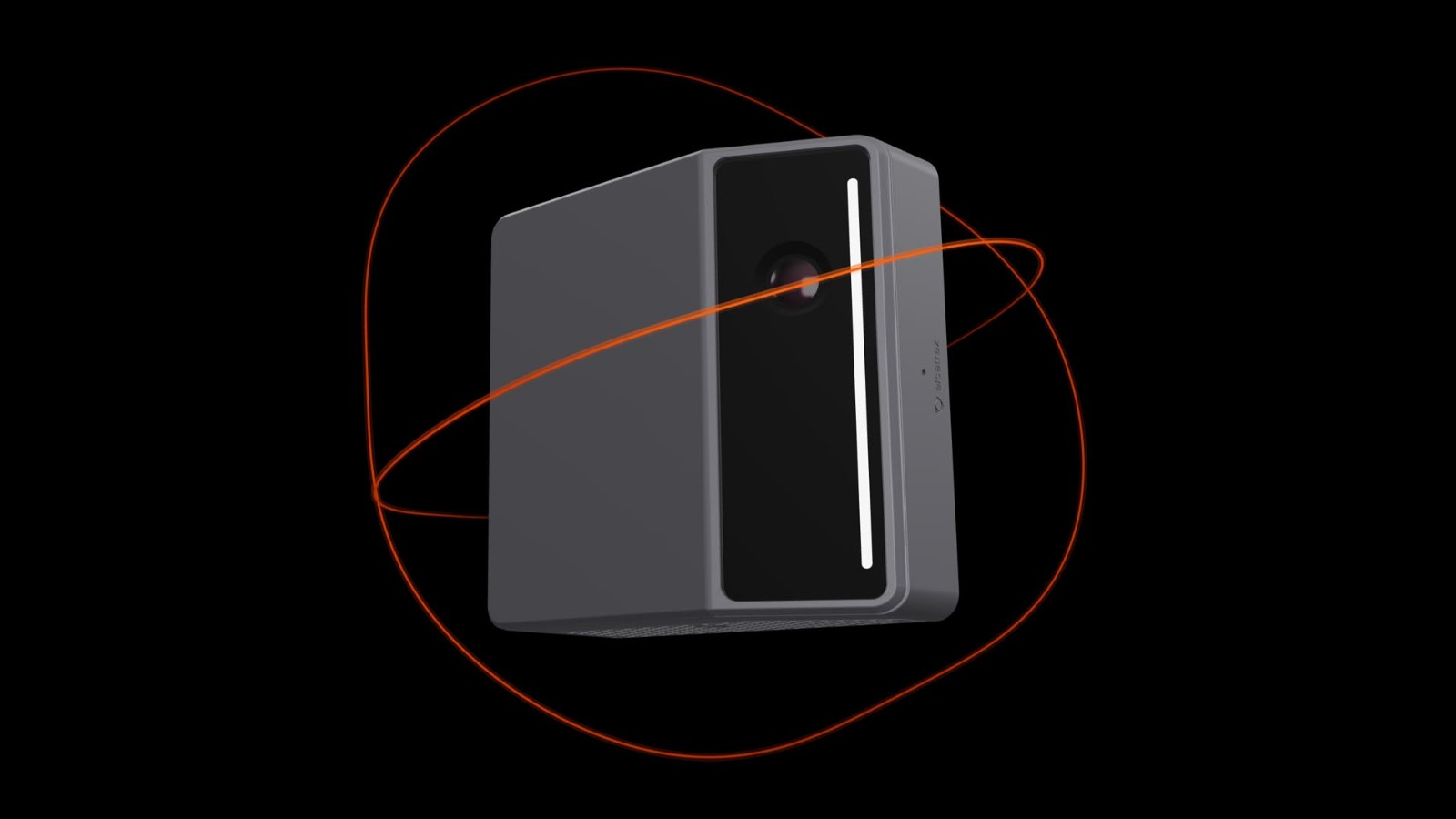
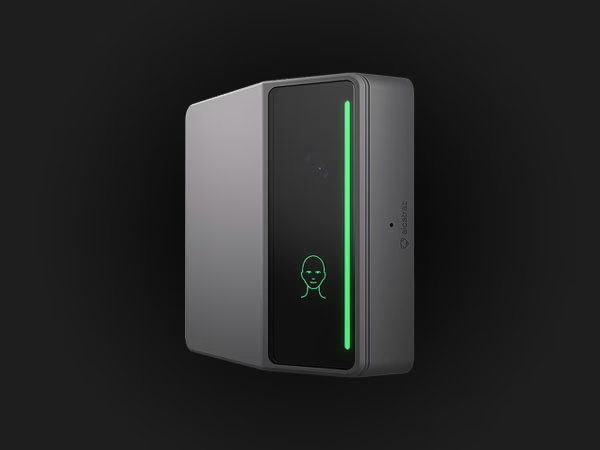
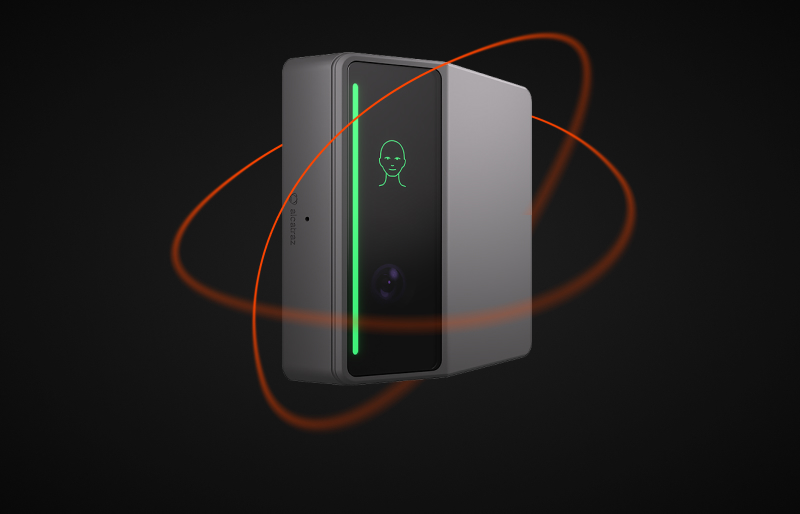
Traditional badges and PINs leave your restricted zones vulnerable to breaches and contamination. Rock X by Alcatraz AI delivers touchless facial authentication that meets strict FDA and GMP standards while maintaining the highest levels of employee privacy.
Our AI-powered solution eliminates tailgating and credential sharing without requiring you to replace your existing access control infrastructure. Schedule a demo with our experts today to see how Alcatraz AI can transform security and compliance at your facility.