


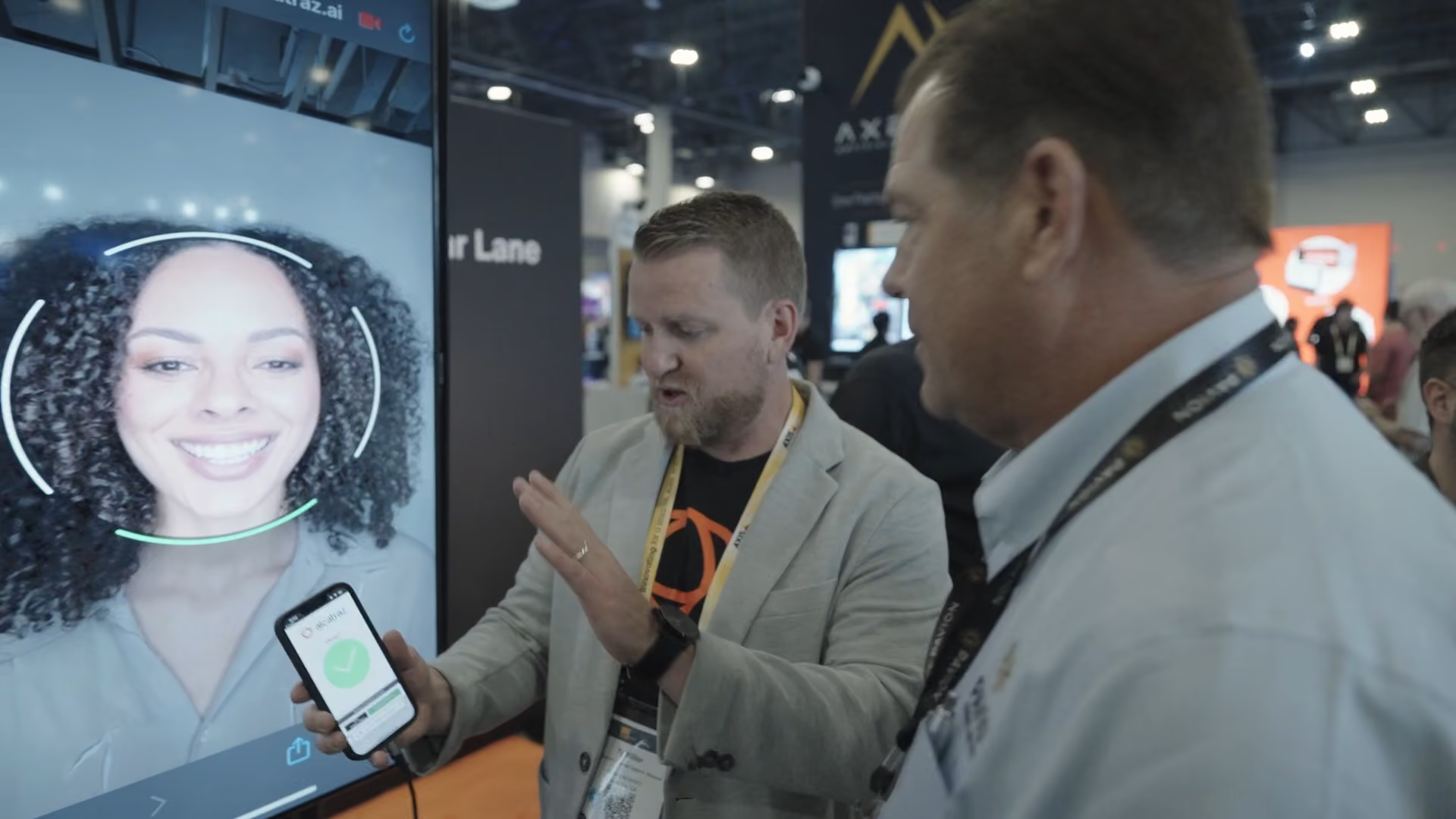

Aviation access control: A case for contractor & employee security

Airports have advanced their security technology and processes significantly for passengers. Now the real pressure point is managing secure site access for thousands of employees, rotating contractors, vendors, and partners moving through high-risk zones every hour of the day. In that environment, badges alone are no longer enough and AI‑powered facial authentication is quickly becoming the only scalable way to keep both contractors and employees honest, accountable, and compliant.
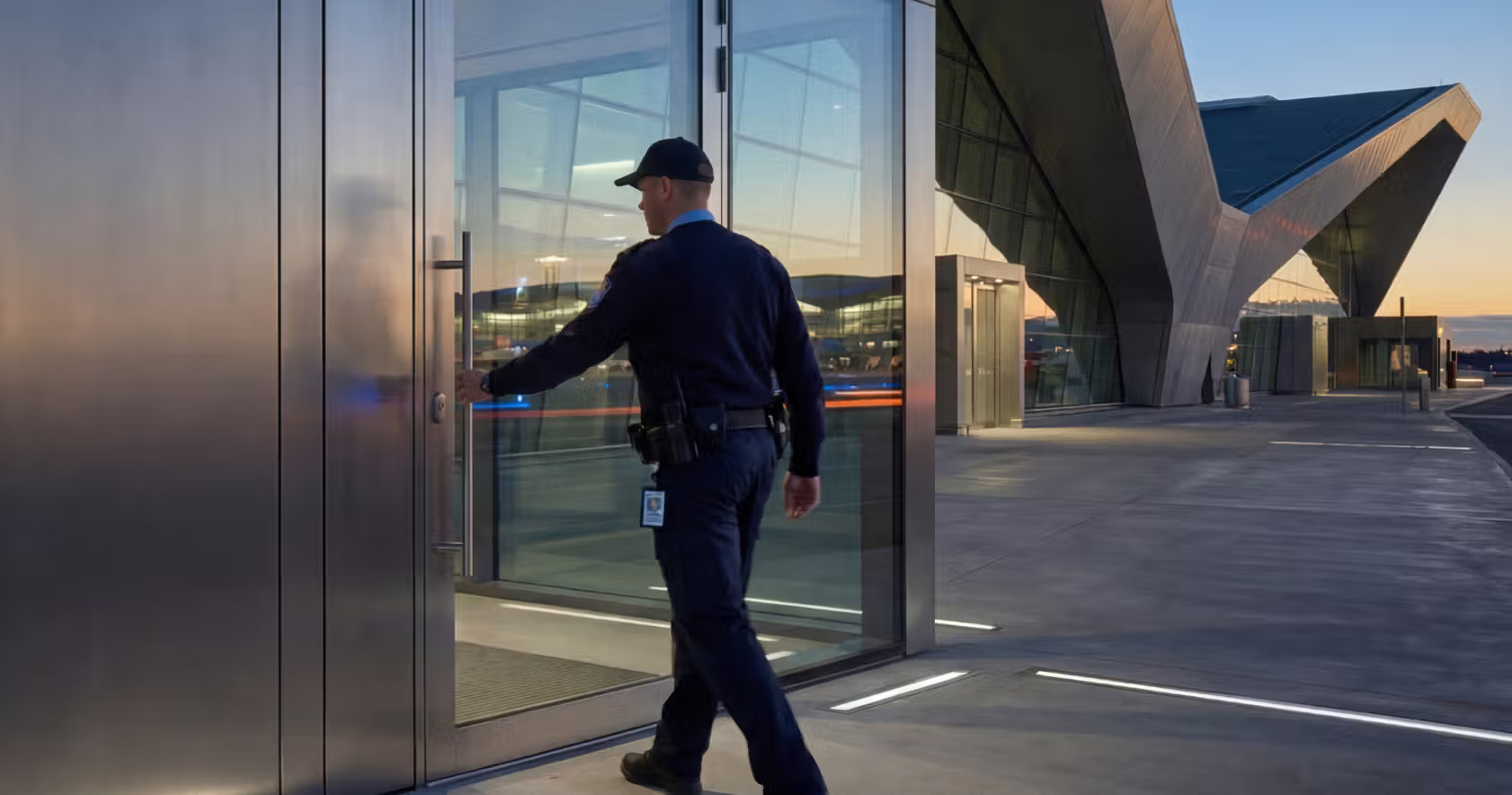
Why is contractor airport access control hard to manage?
The aviation industry has quietly built one of the most complex workforce environments in the world: full‑time airport staff, airline crews, TSA agents, federal officers, ground handlers, retail teams, and a constant stream of contractors and vendors.
When every group brings a different credential, process, and security owner, airport access control starts to fracture. So how do contractors manage secure site access in aviation when they might only be onsite for a few weeks?
Many airports rely on temporary badges, escorted access, ad‑hoc spreadsheets, or manual sign‑in procedures that are hard to audit and even harder to enforce.
That gap between what TSA regulations demand and how access is actually enforced on the ground is exactly where risk lives.
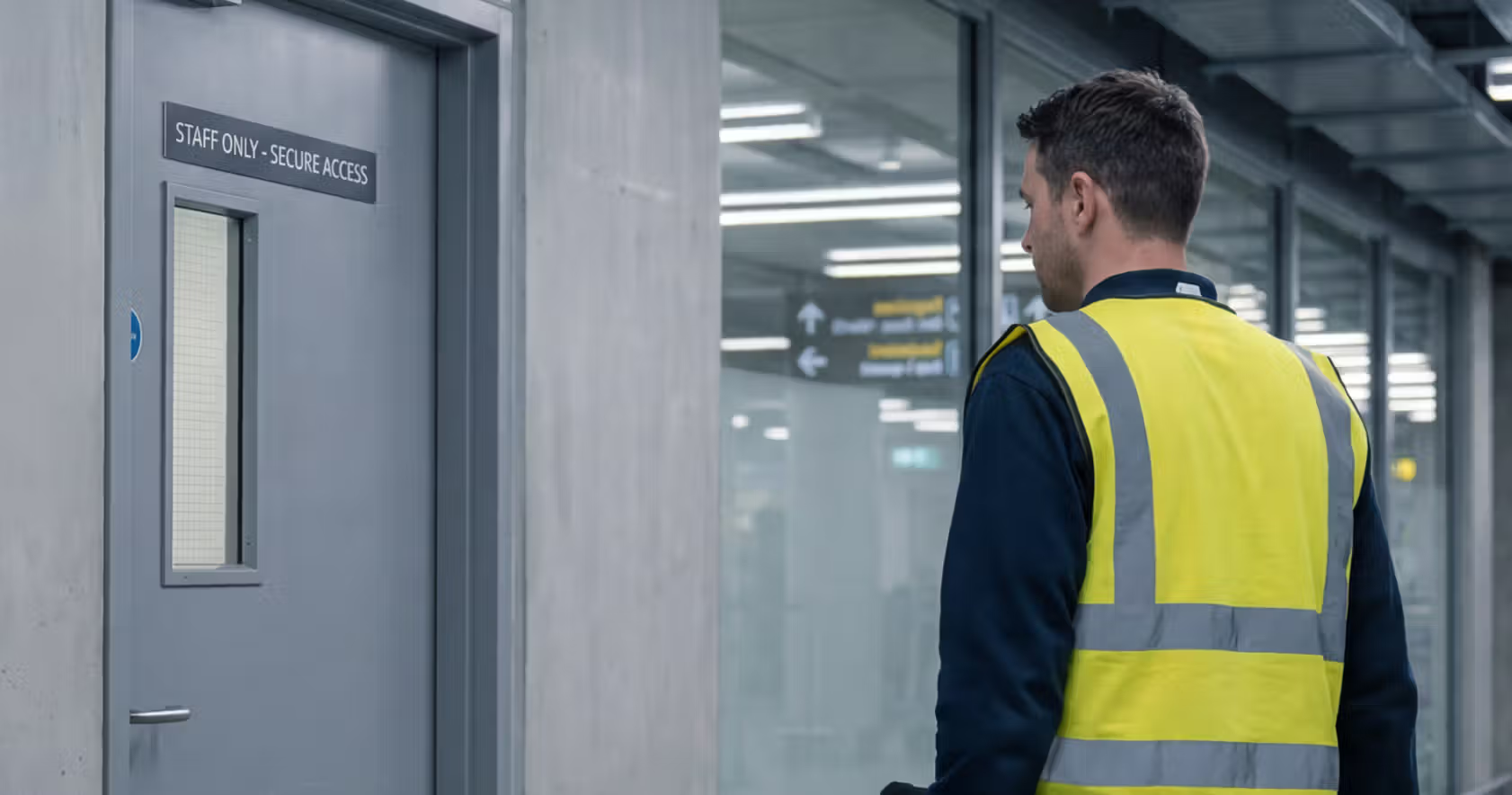
Understanding airport security zones (SIDA, Sterile, AOA & More)
Under 49 CFR Part 1542, every commercial airport must define and protect specific security zones - including the Air Operations Area (AOA), Secured Area, SIDA (Security Identification Display Area), and Sterile Area.
Each of these zones carries different rules for who can enter, how they’re credentialed, and what level of monitoring and auditability is required.
In practice, permanent employees, airline staff, and contractors do not go through the same credentialing pipeline. Airport employees often follow standardized SIDA processes, while airline crew, vendors, and construction teams may be vetted through separate programs, third‑party portals, or tenant security programs.
That fragmentation makes it far more likely that unauthorized access will occur at transition points, such as doors between sterile and secured areas, service corridors, baggage zones, and airside service gates.
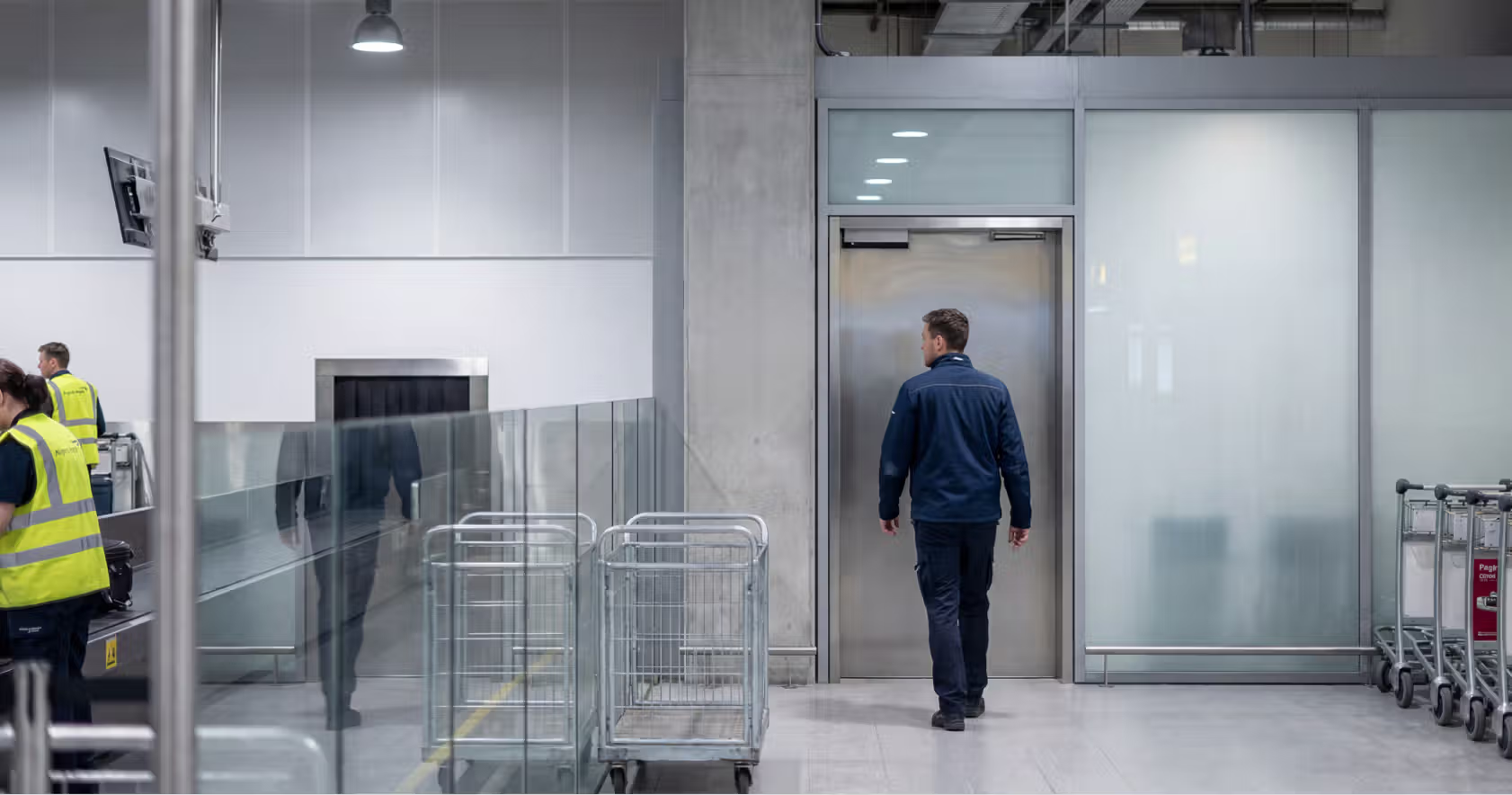
The contractor problem: unescorted access, shared badges & high‑turnover
Contractors are essential to airport growth, from runway rehabilitation to terminal expansion and systems upgrades. But every new project introduces another layer of temporary workforce access that is notoriously difficult to track and control. High turnover, shifting subcontractors, and variable schedules all create opportunities for credentials to be shared, lost, or simply never deactivated.
What actually happens when a contractor “borrows” a badge to get a job done faster? The access control system logs one identity, but multiple people may move through the door or gate.
SIDA badge audits repeatedly find violations tied to contractors and vendors - shared IDs, expired badges still in circulation, and escort requirements ignored under schedule pressure.
Traditional airport security systems were never designed for this pace of personnel change, which is why they often fail exactly where contractor workflows are the most intense.
The business case for AI access control in aviation
Security leaders are no longer just asking whether a technology is more secure. They want to know whether it keeps people moving and operations online. AI‑powered facial authentication delivers both security and business value in ways traditional access control cannot.
Key advantages include:
- Faster throughput: Hands‑free access reduces bottlenecks at employee and contractor entrances, especially during shift changes and peak travel seasons.
- Reduced credential fraud: Non‑transferable credentials eliminate badge sharing, cloning, and misuse, cutting off a major avenue for physical breaches.
- Lower administrative overhead: Automated enrollment, de‑provisioning, and audit trail generation frees security teams from manual badge management and report building.
- Higher compliance confidence: Identity‑verified logs and real‑time tailgating detection give airports a stronger footing during TSA inspections, AVSEC reviews, and internal risk assessments.
- Stronger operational continuity: By reducing the likelihood and impact of unauthorized access incidents, airports experience fewer shutdowns, evacuations, and investigation‑driven delays.
Airport access control systems: what “good” looks like in 2026
A modern airport security program is expected to prevent and detect unauthorized entry, not just record that a card was presented. In 2026, “good” airport access control means verifying who is entering in real time and tying every access event to a provable identity that stands up in an audit. That is where AI‑powered facial authentication, on‑device verification, and intelligent tailgating detection change the game.
Eliminating badge sharing with AI‑powered facial authentication
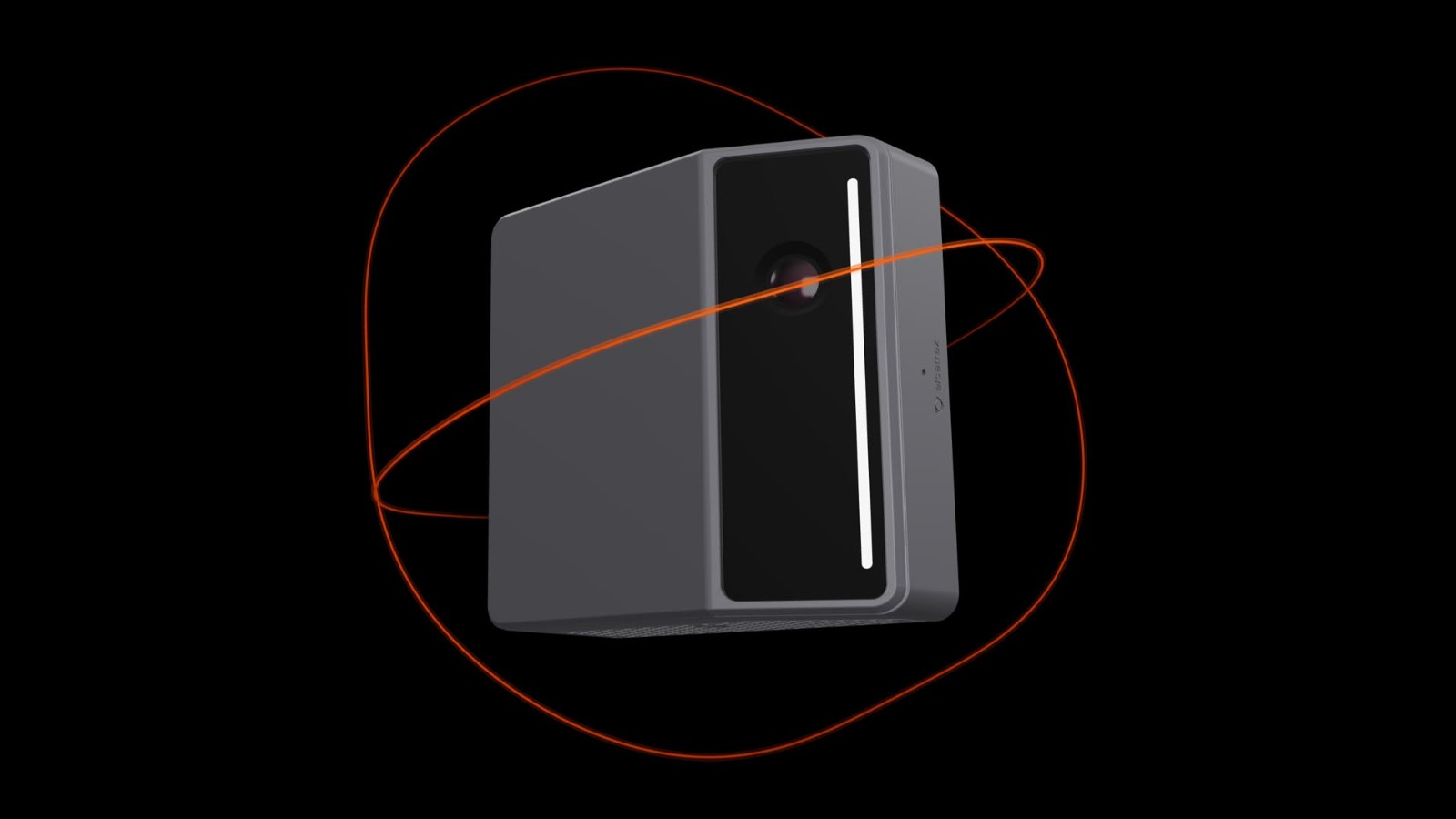
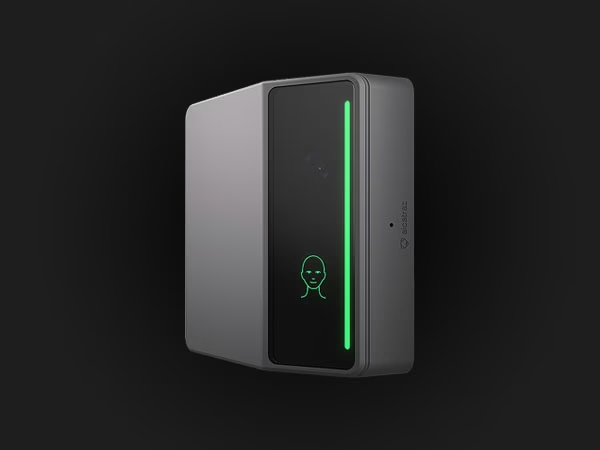
Alcatraz AI’s Rock X replaces the idea that a card is a person with a far stronger assumption: your face is your credential, and it cannot be loaned, cloned, or casually shared.
By combining 3D facial authentication, AI, and machine learning at the edge, Rock X instantly verifies the individual approaching the door - not just the badge they are holding.
For airports, that means:
- No more guessing who actually used a SIDA or AOA credential: the system knows, and it’s tied to a biometric template instead of a piece of plastic.
- Contractors can still use existing badge IDs: but access is only granted when Rock X confirms that the enrolled face matches the credential, silently killing badge sharing.
On‑device identity verification for TSA‑compliant audit trails
Regulators and auditors increasingly expect airports to show who entered secured, SIDA, and sterile areas, not just which badge number pinged the reader. Rock and Rock X perform biometric matching on‑device and tie each successful or denied attempt to that identity, while keeping biometric templates encrypted and de-identified. This creates an audit trail that helps meet TSA Part 1542 and AVSEC expectations.
Because decisions are made on the edge, airports also gain resilience: even in low‑bandwidth or degraded network conditions, Rock X continues to authenticate and log identity‑verified events, preserving the integrity of access records.
Tailgating detection at sterile doors, jet bridges & hangar access points
The most sophisticated badge system still fails the moment two people slip through on one credential. Rock X uses AI‑driven analytics and integrated video to detect tailgating in real time, where airports are most vulnerable (in sterile doors, jet bridge access, baggage portals, and hangar entries).
When Rock X detects someone following too closely, it can:
- Trigger alerts to the access control system and video management system.
- Flag anomalous events for review with clear, door‑level footage.
- Feed data into trend analysis so security teams can tighten policies at chronic problem points.
Instant mobile enrollment for airport workers
Contractor and seasonal staff onboarding has always been an operational bottleneck. Rock X supports mobile and web enrollment so workers can securely enroll before they ever arrive on‑site, with consent captured as part of the process. Machine learning at the edge keeps biometric templates up to date as appearances change, reducing the need for re‑enrollment over long projects.
For airport security teams, this means enrollment once, use everywhere: the same biometric identity can be associated with role‑based access profiles that change as a contractor moves from one project or zone to another.
Compliance requirements every airport must meet (TSA 1542, AVSEC & Local Rules)
49 CFR Part 1542 requires airports to control entry to secured areas, SIDA, and the AOA, and to prevent and detect unauthorized presence within those zones. At the same time, international AVSEC frameworks and local authorities expect reliable identity assurance, robust audit trails, and demonstrable accountability for every person who crosses those boundaries.
Biometrics strengthen compliance by closing the gap between “credential used” and “person present” without piling extra work onto airport staff.
Alcatraz’s Rock X automatically logs each biometric verification, failed attempt, and tailgating event, generating evidence that supports TSA inspections and internal audits. Because Alcatraz AI uses privacy‑by‑design architecture with encrypted, template‑based facial data, airports can meet strict privacy regulations like GDPR, CCPA, BIPA, and ISO‑aligned standards while still adopting advanced biometric access control.
Multi‑agency complexity: airlines, TSA, CBP, vendors, ground Ops & federal partners
Airports function like a city inside a fence, with federal agencies, local law enforcement, airlines, concessions, cargo operators, and private contractors all sharing the same critical infrastructure. Each group often maintains its own HR systems, credentialing workflows, and training requirements, which results in multiple parallel processes feeding into the same doors and secure perimeters.
What does that look like at a single access point?
A jet bridge door might see airport operations staff, airline crew, cleaning contractors, catering vendors, and TSA inspectors in a single hour. When every one of those populations uses a different badge format, portal, or approval chain, it becomes almost impossible to maintain consistent identity verification and clean audit trails.
By using facial authentication as the common “front end” to access, Rock X seamlessly integrates with existing ACS, HRIS, and credentialing platforms. Airports can unify enforcement without ripping out legacy systems.
Access control for aviation industry: technologies that move the needle
The airport access control market is projected to grow rapidly over the next decade, driven by access control and biometrics investments that outpace traditional screening and CCTV upgrades. Not every technology delivers the same impact, especially when it comes to contractor and employee security.
AI facial authentication (Rock X)
Rock X brings AI‑powered facial authentication, liveness detection, and privacy‑first design into a single edge device. It verifies identity, detects tailgating, records door‑level video, and integrates with existing Wiegand or OSDP access control systems - all without storing recognizable images or exporting sensitive data to the cloud. For airports, this means higher assurance at each entry point with lower friction for people who just need to get to work.
Biometric turnstiles for employee & contractor throughput
High‑traffic entry points (employee entrances, secure corridors, landside‑to‑airside choke points) need more than a guard and a card reader. By embedding Rock X into modern turnstiles, airports can create biometric lanes that maintain throughput while enforcing one‑to‑one identity and blocking tailgating by design. This approach works equally well for long‑term staff and rotating contractors, since the biometric check stays constant even as roles and access levels change.
Integrated airport security systems (VMS, ACS, SSO, HRIS, credentialing platforms)
Aviation security teams already rely on layered systems: access control, video surveillance, incident management, HR platforms, and airline credentialing tools. Rock and Rock X plug into that ecosystem, functioning as ONVIF‑compliant cameras, inline readers for existing panels, and identity providers that can enrich logs and security analytics with biometric assurance. That integration turns door events into actionable signals: who tried to enter, from where, with what credential, and whether they were alone.
How airports can fix contractor access?
The old model for contractor access, temporary badges, escorts, spot checks - simply doesn’t scale to large projects, multi‑year capital programs, or continuous maintenance cycles. A modern model starts by treating identity as the anchor and letting roles, zones, and time windows adjust around it.
“Identity first” enrollment instead of badges
Instead of leading with a badge form, airports can enroll contractors into a biometric system like Rock X through mobile or supervised enrollment - capturing facial templates and consent before issuing any physical credential. The badge becomes just one data point linked to a proven identity, not the identity itself. That makes lost, stolen, or duplicated badges far less dangerous, because they are useless without the matching face at the door.
Role‑based access that expires automatically
Construction supervisors, electricians, IT vendors, and cleaning crews do not need the same access, and they certainly don’t need it forever. By defining role‑based profiles with automatic expiration, airports can ensure that contractor access rights end when the project, contract, or shift window does, without waiting for someone to collect badges. When a role is removed, the biometric identity no longer opens doors, even if a badge is still physically present.
Real‑time alerts for unauthorized access attempts
Contractor environments are dynamic, and policies only work if violations are visible in time to matter. Rock X feeds real‑time alerts for denied biometric matches, tailgating attempts, and anomalous activity into the ACS and VMS, giving security teams the chance to intervene before an incident escalates. For high‑risk zones like fuel farms, baggage make‑up, or control system rooms, this kind of live intelligence can be the difference between a near‑miss and a significant security event.
Eliminating escort dependencies with trusted biometrics
Escort policies are meant to mitigate risk, but in practice, they often collapse under operational pressure. What happens when a supervisor is pulled to another gate, and a contractor still needs access? With high‑assurance biometrics, airports can safely grant unescorted access to vetted contractors within defined zones and time windows - reducing the burden on escorts while increasing accountability. Every unescorted entry is still tied to a unique biometric identity and captured in the audit trail.
Conclusion - why facial authentication is the only scalable answer for airport contractor security?
The aviation ecosystem is only getting more complex: more flights, more employees, more vendors, and more contractors - all moving through the same constrained physical spaces. Legacy badge‑based airport access control systems were never built for this scale or this mix of identities, which is why they are cracking under the pressure.
If an airport cannot confidently say who is behind every credential at every critical doorway, can it really claim to be secure?
Facial authentication, delivered through Rock X, gives airports that confidence: privacy‑first, AI‑powered access control that verifies each person at the point of entry, detects tailgating automatically, and produces audit‑ready records for every event for permanent employees and short‑term contractors alike.
In a world where compliance expectations, threat levels, and workforce complexity keep rising, this is no longer a “nice to have” upgrade, but the only scalable path to contractor and employee security in modern aviation.