


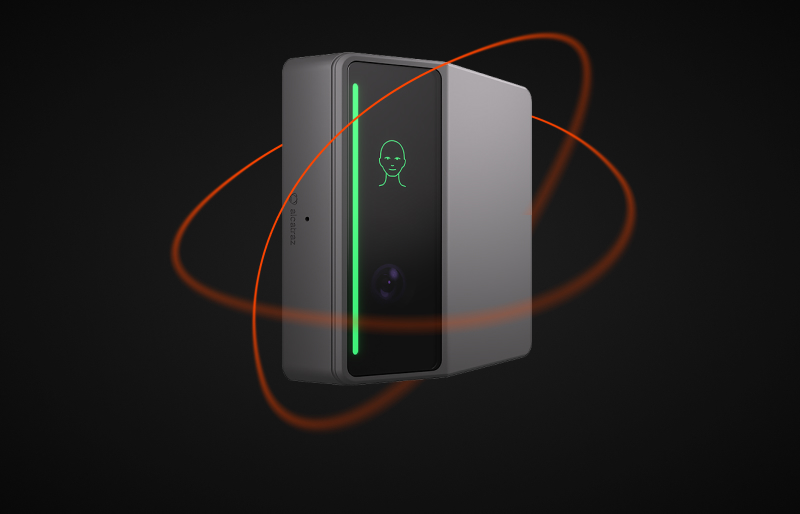


How facial biometric authentication enhances airport access control and security

Every day, airports manage thousands of employees, contractors, and vendors moving through secure zones. A single unauthorized access event can trigger cascading safety risks, regulatory violations, and operational chaos.
Traditional badge-based systems no longer meet the security demands of today's aviation environment. Credentials get lost, stolen, or shared, creating vulnerabilities that sophisticated threats exploit. The shift toward facial biometric authentication represents a fundamental rethinking of how airports protect critical infrastructure while maintaining operational flow.
Executive summary
- Reliance on physical badges creates high-risk vulnerabilities, allowing lost or stolen credentials to bypass security checks in critical zones like tarmacs and runways.
- Standard access systems fail to detect unauthorized entries in high-traffic areas; modern AI solutions actively identify and prevent "piggybacking" breaches in real-time.
- Facial biometrics replace assumed trust with identification, ensuring that every individual crossing a security threshold is verified, not just their card.
- Advanced solutions overlay onto existing PACS (Physical Access Control Systems), allowing airports to upgrade security postures without disrupting 24/7 operations.
- Self-generating audit trails and privacy-first encryption provide instant, irrefutable proof of presence, simplifying adherence to strict TSA and GDPR mandates.

Why does airport security demand more than traditional access control?
Airports operate under constant pressure to balance strict security with efficiency. Security teams must prevent breaches and maintain compliance without slowing down operations. However, legacy badge systems create predictable vulnerabilities that modern threats can easily bypass.
The stakes are incredibly high. According to the 2024 IATA Global Passenger Survey, 46% of passengers used biometrics, yet staff-side security often lags behind passenger-facing technology.
Relying solely on physical badges introduces three major risks:
- Lost or stolen credentials: Badges can be used by anyone, not just the authorized owner.
- Tailgating (Piggybacking): Unauthorized individuals following authorized personnel through secure doors is a constant risk that card readers cannot detect.
- Administrative burden: Managing temporary passes for forgotten badges consumes valuable security resources.
On the operations side, the TSA has noted that rigorous enforcement of access control requirements stands as a key component of insider threat mitigation programs. One unauthorized vehicle or individual in a sensitive zone can have catastrophic results.
The evolution: from badges to biometrics
Identity verification needs to be stronger and faster than legacy methods allow. The global airport biometric market is growing rapidly because airports recognize a fundamental truth: biometric access control eliminates the core vulnerability of possession-based credentials.
Unlike a plastic card, your face cannot be lost, stolen, forgotten at home, or shared with a colleague.
Why facial authentication outperforms legacy systems?
Facial authentication technology offers accuracy that legacy systems simply can't match. Unlike traditional surveillance, privacy-first facial biometric authentication systems never store raw images. Instead, they work with encrypted mathematical representations of facial features that cannot be reverse-engineered.
- Unmatched Accuracy: Advanced algorithms analyze dozens of unique facial characteristics to create encrypted biometric templates, distinguishing between individuals with near-perfect precision.
- Frictionless Speed: Efficiency is critical during shift changes. Studies show biometric deployments can reduce processing times by up to 30% compared to manual checks. Employees simply walk through while AI verifies their identity in milliseconds, eliminating bottlenecks.
- Contactless Safety: In a health-conscious world, minimizing physical contact is crucial. Facial biometrics offers a completely touchless solution.
Core components of modern airport access control systems
Effective airport security systems integrate multiple technologies into a cohesive layered architecture. No single component provides complete protection; they must work together.
1. Smart physical barriers
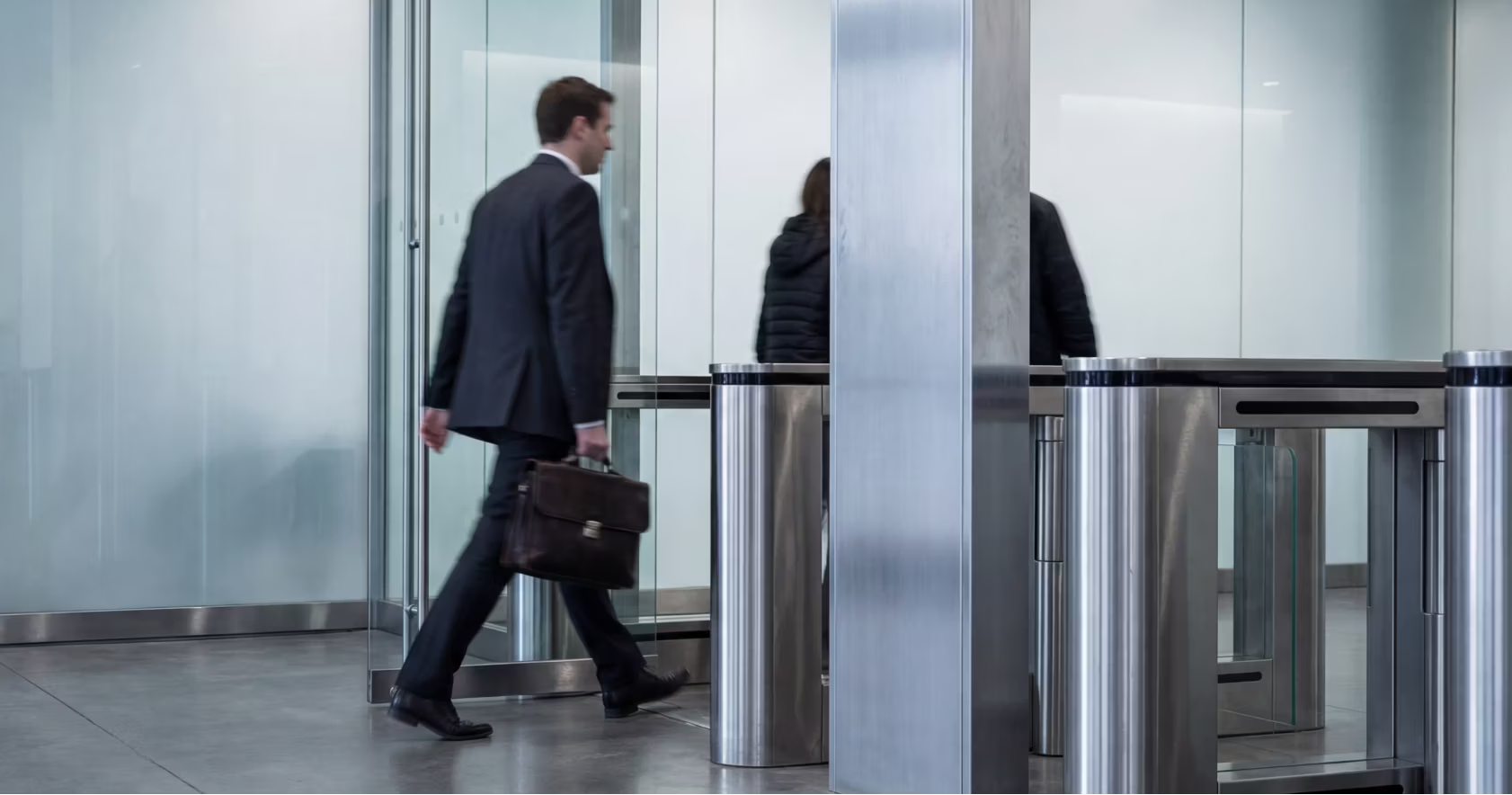
Physical infrastructure forms the foundation of access control. Modern turnstiles and mantrap entries now integrate with biometric readers to create intelligent decision-making at entry points.
- Intelligent Response: The barrier remains closed until the system verifies the person, not just the badge.
- Active Deterrence: Repeated failed attempts can trigger lockdowns or silent alarms to security teams.
2. Tailgating detection & prevention
This is the critical gap in traditional systems. Tailgating detection access control uses AI to monitor the 3D space around the door.
- The problem: An employee holds the door for a colleague (or an intruder). A standard card reader sees one badge and assumes one person.
- The Solution: The system counts the number of people entering versus the number of authentications. If two people enter on one badge scan, the system flags the breach immediately.
- Actionable alerts: Security receives real-time video clips of the incident to determine if it was an innocent mistake or a malicious attempt.
3. Multi-factor authentication (MFA) for layered protection
For high-security zones (like runways or server rooms), relying on one method isn't enough. MFA combines "Something you have" (Badge) with "Something you are" (Face).
- Scenario: A contractor presents a badge. The system instantly verifies that the badge is valid and that the face matches the badge owner.
- Outcome: Even if a badge is stolen, it is useless without the owner's face. This meets high-level cybersecurity recommendations for critical infrastructure.
Implementing Smart Access Control Without Disruption
A common concern for airport directors is the complexity of upgrading. Operations continue 24/7, so airports cannot shut down for security overhauls. Modern solutions address this through backward compatibility.
Integration with legacy systems
You don't need to "rip and replace" your entire security infrastructure.
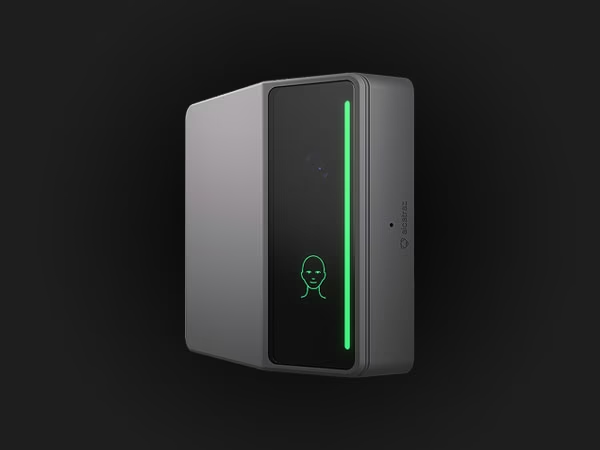
- Seamless overlay: Facial authentication devices function like advanced badge readers. They communicate directly with your existing access control panels (PACS).
- Phased deployment: Airports can start with high-priority areas and expand systematically.
- Unified management: User profiles and permissions are still managed in your central system; biometrics simply adds a verification layer.
Managing high turnover and contractors
Aviation employs significant numbers of contractors and temporary staff. Biometrics simplifies this management challenge.
- Fast enrollment: New staff can be enrolled in minutes using tablet-based capture systems during orientation.
- Instant revocation: When a contract ends, turning off the badge in the main system immediately blocks access. There is no need to chase down physical keys or cards to ensure security.
Best practices for compliance and privacy
Deploying technology is only part of the equation. Ongoing management ensures systems deliver value while meeting strict regulations (TSA, GDPR, BIPA, CCPA).
- Privacy-first design: Ensure your system uses encrypted templates, not raw photo storage. This protects user privacy and ensures compliance with data protection laws.
- Audit trails: Automated logs provide timestamps, locations, and video evidence for every entry event. When auditors ask who accessed specific areas, administrators can retrieve precise answers in seconds.
- Regular training: Technology works best when staff understand why it’s there. Train employees on the importance of not holding doors (tailgating) and how the new system protects them.
The future of airport security
Aviation security continues evolving to address emerging threats. The convergence of physical and cybersecurity is accelerating, with over 70% of airlines and airports planning to invest in biometric ID management by 2026.
Future-ready systems are moving toward predictive security—using AI to identify unusual access patterns (e.g., an employee accessing a secure zone at 3 AM for the first time) before a breach occurs.
By integrating privacy-first facial authentication, airports can strengthen access control, prevent unauthorized entry, and maintain strict compliance—all while creating a faster, smoother experience for authorized personnel.
Secure your airport with frictionless, privacy-first authentication
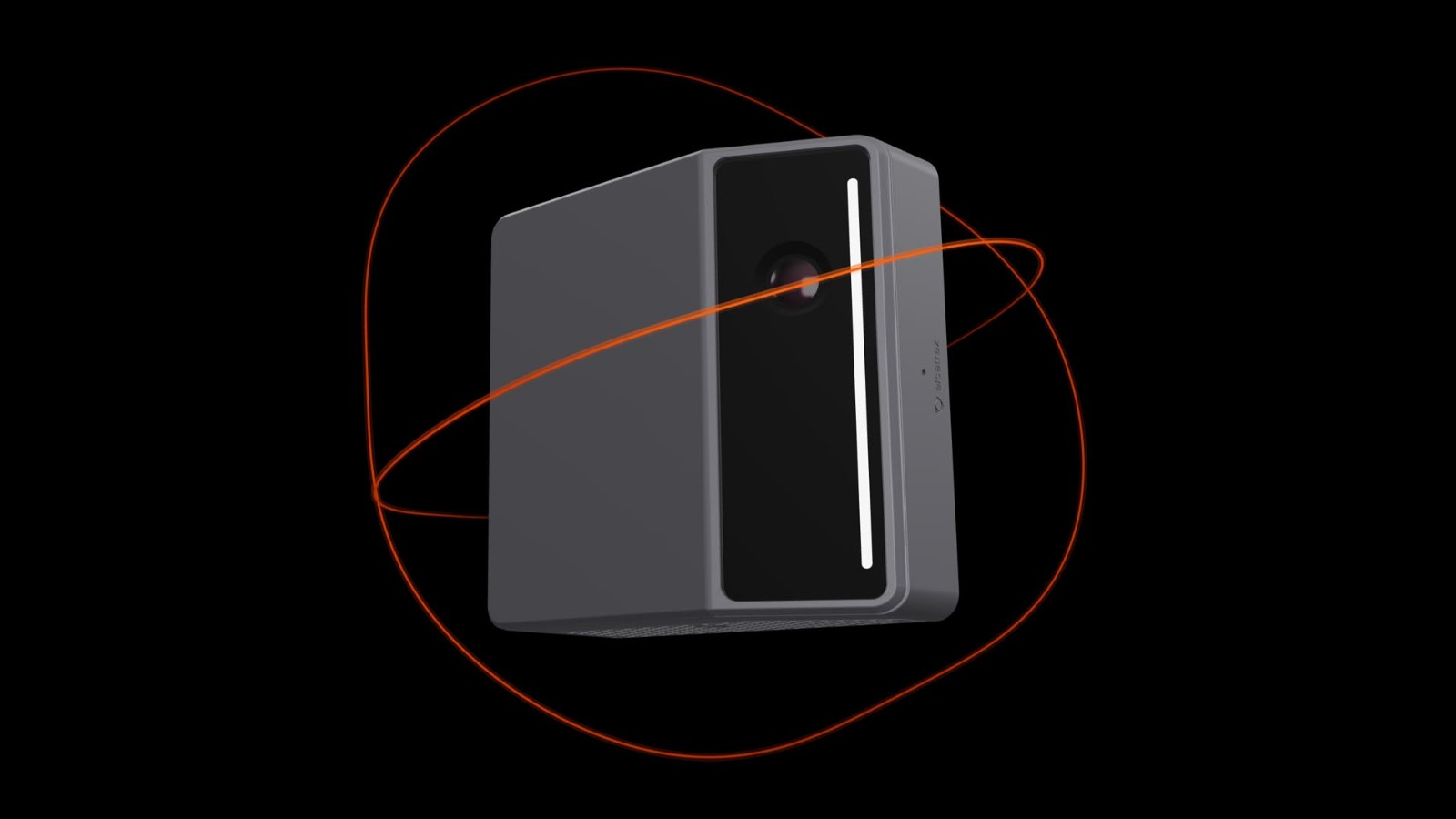
Don’t let outdated badge systems compromise your perimeter protection or tarmac access. Alcatraz AI replaces vulnerable credentials with privacy-first facial authentication, ensuring only authorized personnel enter critical zones while stopping tailgating in real-time.
Schedule a demo today to explore how Rock X uses AI-powered facial authentication to transform your physical security posture.