




Why protecting data centers from unauthorized physical access is critical in 2026?

Most conversations about data center security still obsess over cyber threats - ransomware, zero-day exploits, and credential stuffing, while quietly ignoring the most obvious vulnerability: physical access.
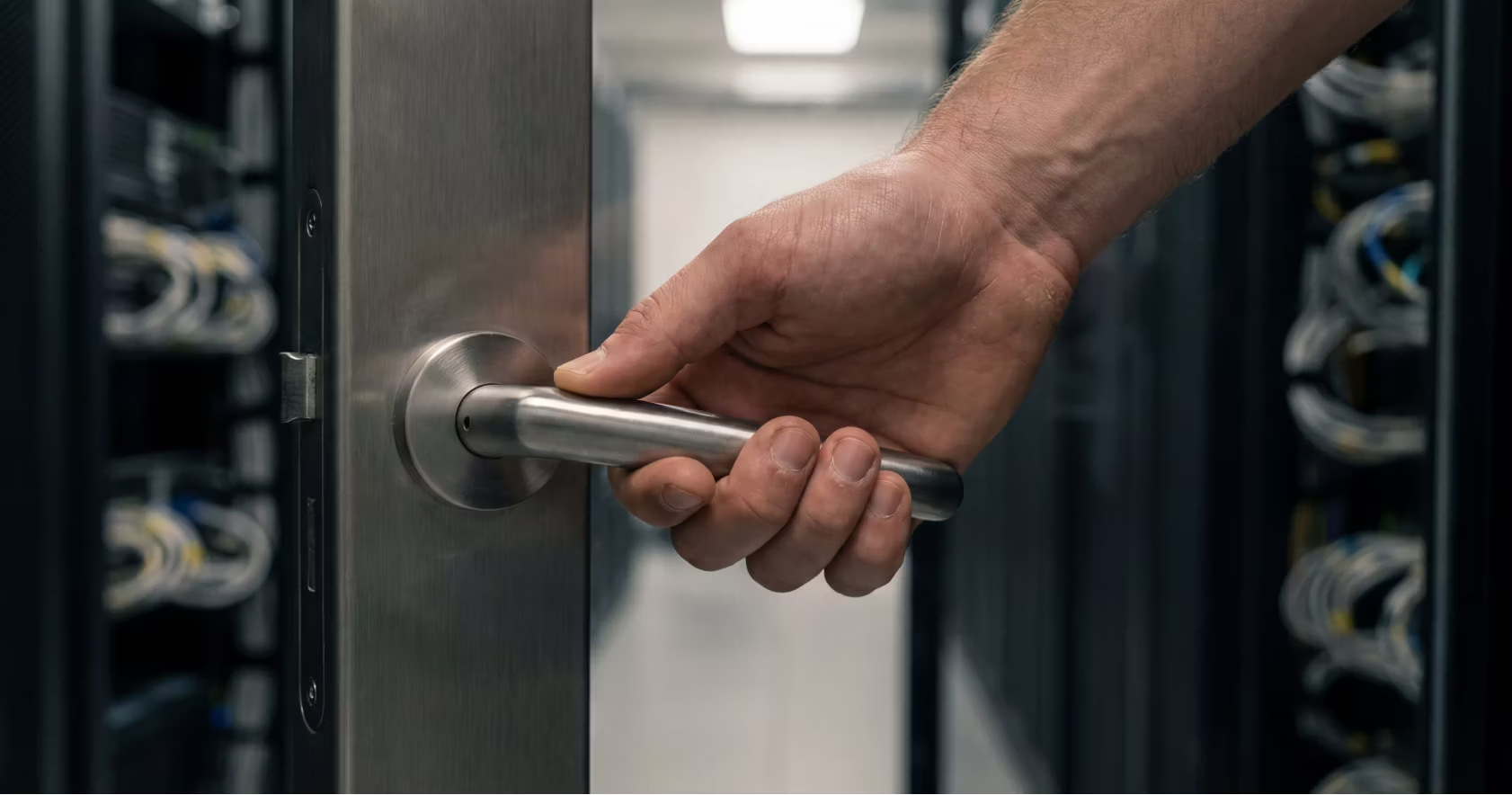
Once an unauthorized individual gains physical access to a data center, all downstream cyber controls become optional:
- Servers can be tampered with
- Hardware can be implanted
- Credentials can be harvested,
- Security systems can be disrupted in ways that software defenses were never designed to stop.
Modern data centers are no longer just IT facilities - they are critical infrastructure supporting cloud platforms, financial systems, healthcare networks, and government operations.
This guide breaks down the real-world risks of unauthorized physical access, why legacy access control systems fail, how regulations are tightening, and how identity-based access addresses these gaps without adding friction.
Why data center security matters more than ever in 2026?
Data center environments have changed dramatically over the last few years. Hybrid work, outsourced operations, and expanding vendor ecosystems mean more people need access to fewer highly sensitive spaces. Each additional contractor, technician, or temporary worker increases the attack surface.
Threat actors understand this. Physical-to-cyber attack chains, in which attackers enter facilities under pretenses and then pivot to digital systems, are increasingly common. Insider threats, whether malicious or negligent, remain one of the hardest risks to detect, especially when access decisions rely on shared credentials or visual checks by guards.
Business impact of physical security failures
Allied Universal® and G4S's 2022 report revealed that 25% of companies saw a drop in their corporate value following an external or internal security incident, resulting in a total loss of $1 trillion in revenue due to physical security incidents.
Unauthorized physical access is not a theoretical risk - it has direct business consequences:
- Downtime caused by hardware tampering, power disruptions, or emergency shutdowns
- SLA violations that trigger financial penalties and customer churn
- Loss of customer trust, especially for colocation and cloud providers
- Regulatory exposure, failed audits, and delayed certifications
In short, physical access failures directly lead to financial and operational damage.
What is data center access control?
Data center access control refers to the systems, policies, and technologies used to restrict, verify, and monitor who can physically enter secure areas within a facility. This includes server rooms, cages, power infrastructure, and network operations centers.
It's important to distinguish between logical access control (logins, passwords, MFA for systems) and physical access control (doors, turnstiles, readers). While both matter, physical access control carries a higher burden of proof. Once someone is inside the facility, logical controls can often be bypassed.
Traditional systems rely on credentials - badges, PINs, or keys. Modern systems increasingly rely on identity assurance, which verifies that the person requesting access is actually who they claim to be.

Three risks of unauthorized access in data centers
1. Tailgating and piggybacking
Tailgating occurs when an unauthorized individual follows an authorized person through a secure entry point. In environments like data centers, badges cannot distinguish between one person and two passing through a door. The result is a silent failure mode that often goes undetected until after damage is done.
2. Insider threats and privilege abuse
The idea of the "trusted insider" is outdated. Employees change roles, contractors rotate frequently, and access rights tend to accumulate over time. This leads to role creep, where individuals retain access long after it's needed.
Without continuous identity verification at the door, organizations rely on static assumptions that no longer reflect reality. Insider incidents don't always involve theft. Sometimes they involve convenience, shortcuts, unintentional policy violations, or resentment over termination, with serious consequences.
3. Contractors, vendors, and temporary access risks
Third-party access is unavoidable in modern data centers, but it's also one of the least controlled vectors. Temporary access often becomes permanent, manual vetting doesn't scale, and badge-based systems struggle to enforce time-bound or role-specific permissions.
Without automated, identity-bound access control, organizations lose visibility and control over who is actually entering their most sensitive environments.
Why legacy data center access control systems fail?
Legacy access control systems were designed for convenience, not assurance.
Their weaknesses are structural:
- Credentials can be lost, stolen, or shared
- Possession does not equal identity
- There is no resistance to tailgating
- Logs show badge usage, not actual people
Managing physical credentials also creates an ongoing administrative burden - issuance, revocation, audits, and exception handling. Guards are forced to make subjective decisions, and access logs lack a reliable identity context. The result is high operational cost with low security confidence.
Two Simple strategies to prevent unauthorized physical access
- Every door is a security decision point.
Identity-based access control ensures that access is granted only when a verified individual is present, not just a credential. This approach eliminates implicit trust and enables continuous verification, even in high-throughput environments like data centers.
- Zoning, Role-Based Access, and Least Privilege
Effective data center security requires segmentation:
- Tiered access zones for sensitive areas
- Role-based permissions tied to actual job function
- Time-bound access for contractors and vendors
When combined with identity verification, zoning becomes enforceable instead of theoretical.
Compliance, regulations, and the cost of getting it wrong
Physical access control is explicitly required under major standards and regulations, including:
- SOC 2
- ISO/IEC 27001
- GDPR, CCPA, and BIPA (when biometrics are used)
Failures lead to audit findings, fines, delayed certifications, and reputational damage. Identity-based access control improves audit readiness by providing clear, identity-linked access logs rather than ambiguous badge data.
How does facial authentication strengthen data center security?
Facial authentication replaces "something you have" with "who you are." In a 1:1 authentication model, the system verifies a live person against an enrolled identity - this is not surveillance or mass recognition. There is no badge sharing, no impersonation, and no ambiguity about who accessed what and when.
Preventing unauthorized access in real-time
Modern facial authentication systems operate at walking speed, enabling:
- Seamless authentication without stopping
- Built-in tailgating detection
- Real-time alerts tied to verified identities
- High-quality audit trails for investigations
urity improves without slowing people down.
Alcatraz AI's approach to data center access control
1. Rock X for secure data centers
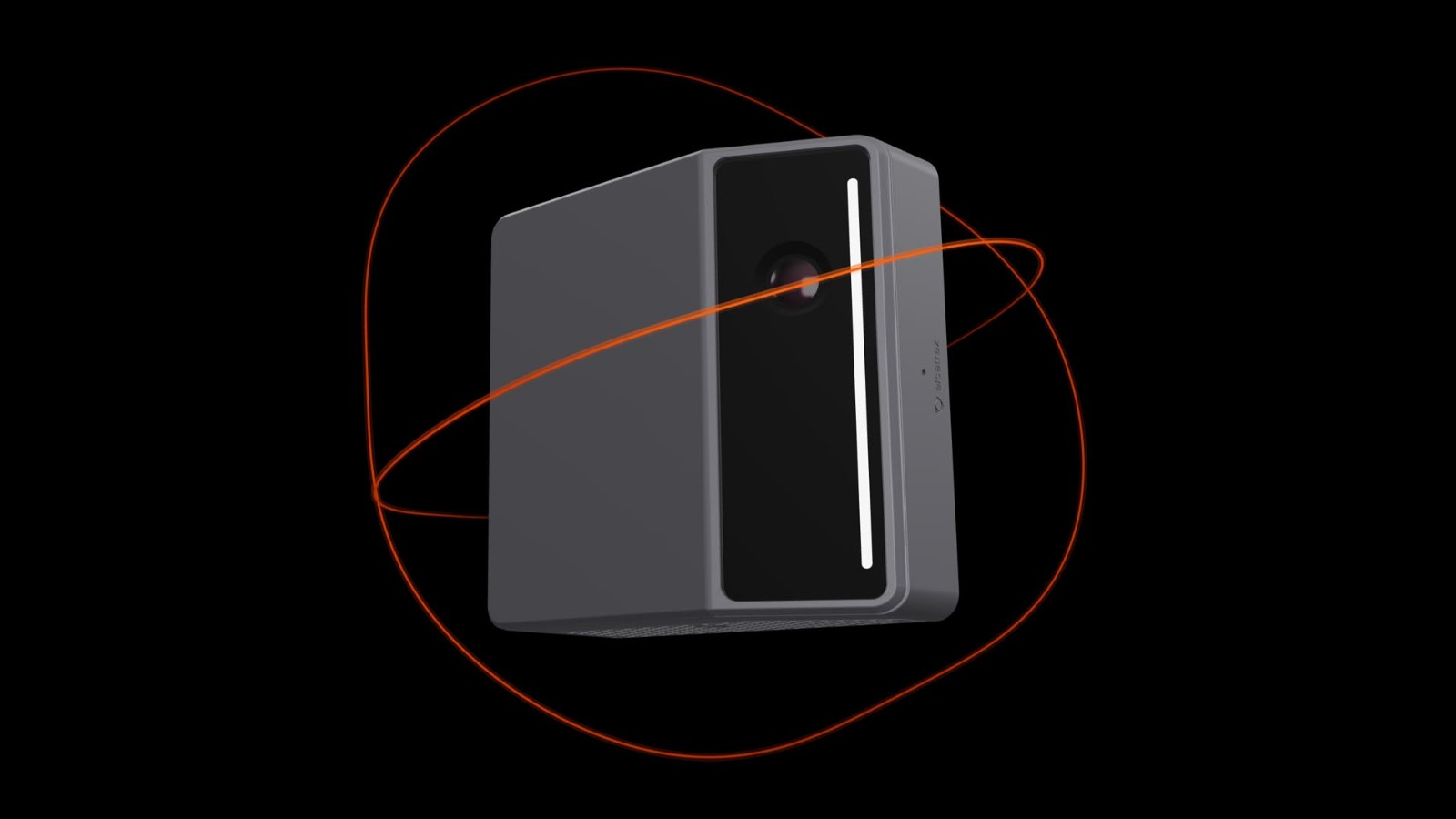
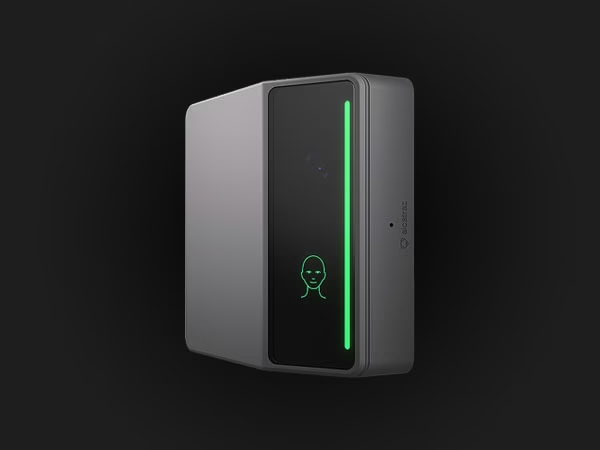
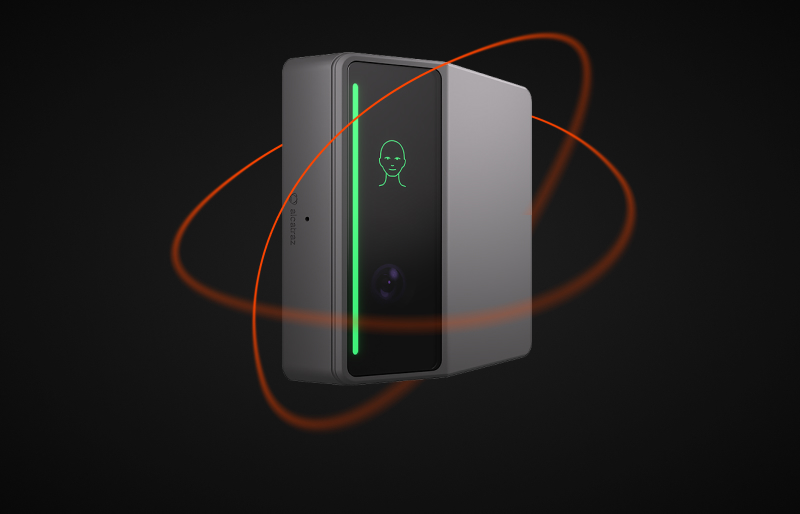
Rock X is Alcatraz AI's facial authentication device, designed specifically for high-security environments such as data centers. It operates at the edge and integrates inline with existing Wiegand or OSDP access control systems, requiring no rip-and-replace.
It functions reliably indoors and outdoors, in harsh weather and challenging lighting conditions, making it suitable for both perimeter and interior access points.
2. Built-in tailgating detection and real-time alerts
Rock X uses AI-powered analytics to detect piggybacking in real time. When tailgating occurs, alerts are sent directly to access control and video management systems, providing actionable intelligence without additional sensors or hardware.
3. Privacy-first biometric design
Alcatraz AI's facial authentication is built around privacy by design:
- Opt-in enrollment with transparent consent
- Encrypted, non-reversible biometric templates
- No image storage
- Alignment with GDPR, CCPA, and BIPA
This approach enables strong security without compromising user trust or regulatory compliance.
Conclusion: data centers need identity-based physical security
Physical access is a cyber risk. As data centers grow more complex and interconnected, relying on outdated credential-based systems is no longer defensible. Identity-based physical security closes the gap, stops unauthorized access at the door, and strengthens compliance without sacrificing efficiency.
Facial authentication delivers what legacy systems cannot: certainty. Curious to see how it looks in action? Book an Alcatraz Demo.