


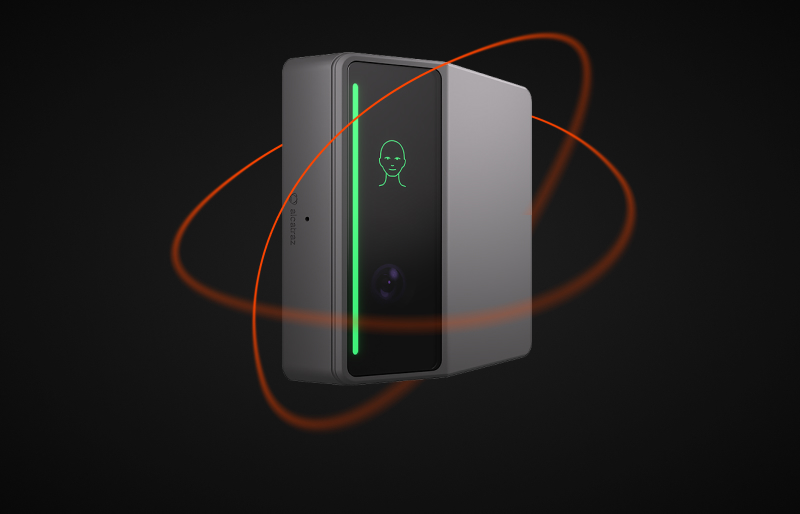


Why are energy and utility facilities switching to AI facial authentication access control?
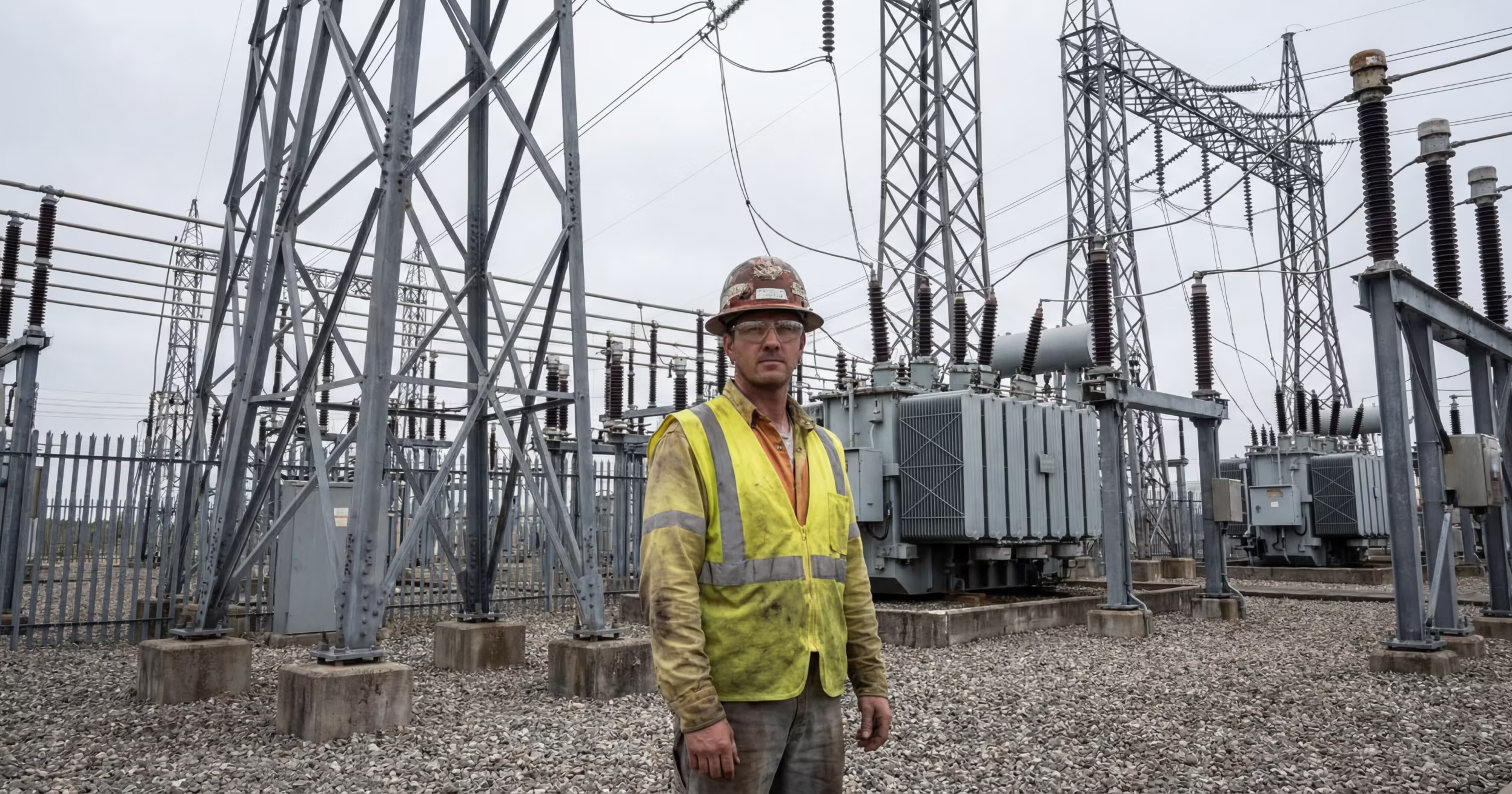
Every power plant, substation, and grid control center shares one common vulnerability: the door. When physical access is poorly controlled, the consequences reach far beyond a single unauthorized entry. They can disrupt regional power supply, expose operational technology networks, and trigger NERC CIP violations that carry seven-figure penalties.
Security leaders across the energy sector are asking a simple question: why does a facility protecting the nation's most critical infrastructure still rely on a card that can be cloned in seconds? That question is driving a rapid shift toward touchless AI facial authentication.
Key takeaways
- U.S. utilities faced 1,162 cyberattacks in 2024, representing a nearly 70% increase from the previous year.
- Third-party vendors account for nearly 45% of all malicious intrusions in the energy sector, often due to unmanaged physical access credentials.
- Strict NERC CIP 006 compliance mandates 24/7 access monitoring, with non-compliance penalties reaching up to $1 million per violation per day.
- Legacy credential systems create exploitable gaps that have contributed to an over 80% increase in ransomware activity targeting energy and utilities.
- AI facial authentication replaces vulnerable access cards with identity-based access, instantly detecting tailgating and automating compliance logs.
Why energy and utility facilities are high-value targets for physical intrusion
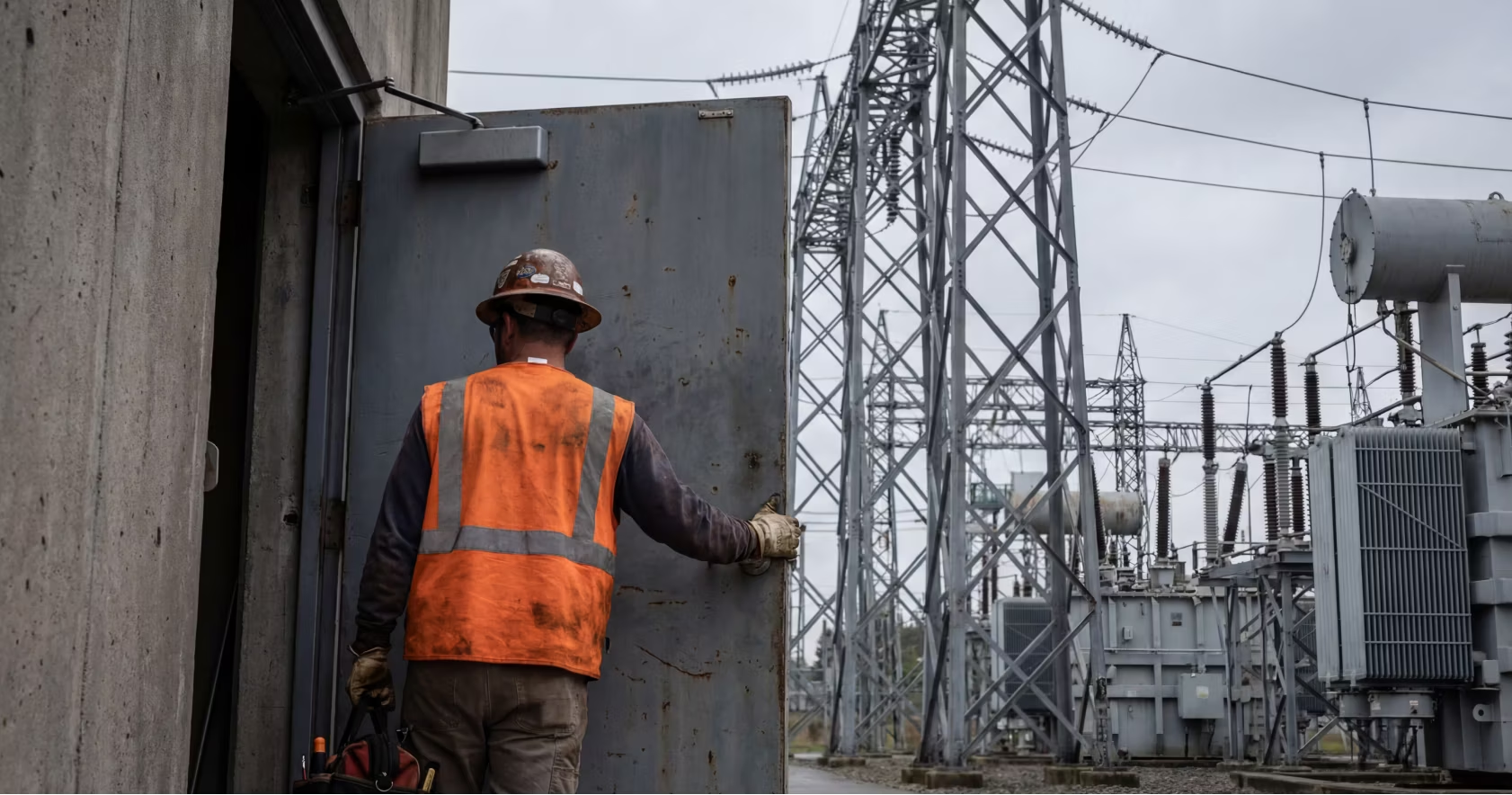
The energy sector doesn't just power homes and offices. It underpins every other critical infrastructure sector, from healthcare to financial services to emergency response. That interdependency makes it one of the most attractive targets for adversaries, and physical security is almost always the first line of defence they target.
How weak access points cause operational crises
Threat actors targeting energy infrastructure often walk through doors rather than attack from a keyboard. The threat environment has deteriorated sharply over the last few years.
- Surge in cyberattacks: U.S. utilities faced 1,162 cyberattacks in 2024, which is a nearly 70% increase from the 689 incidents recorded in 2023, according to Check Point Research.
- Record-high weekly attacks: By Q3 2024, weekly attacks against the energy sector surged to an average of 1,339, a 234% year-over-year increase.
- Third-party vendor risks: A joint SecurityScorecard and KPMG study found that third-party vendors account for nearly 45% of all malicious intrusions in the energy sector, well above the global average of 29%.
Many of these intrusions begin with a contractor's physical access credentials that were never deactivated after a job ended.
The compliance pressure behind physical security
Physical access control is a regulatory mandate for utilities operating bulk electric systems. Failing to secure these areas brings heavy financial and regulatory consequences. NERC CIP 006 strictly enforces the following rules.
- Requires documented controls at every physical security perimeter
- Demands 24/7 access, monitoring and logging
- Mandates a visitor management program covering the prior 90 days
- Imposes non-compliance penalties reaching $1 million per violation per day
The failure of legacy systems in critical infrastructure
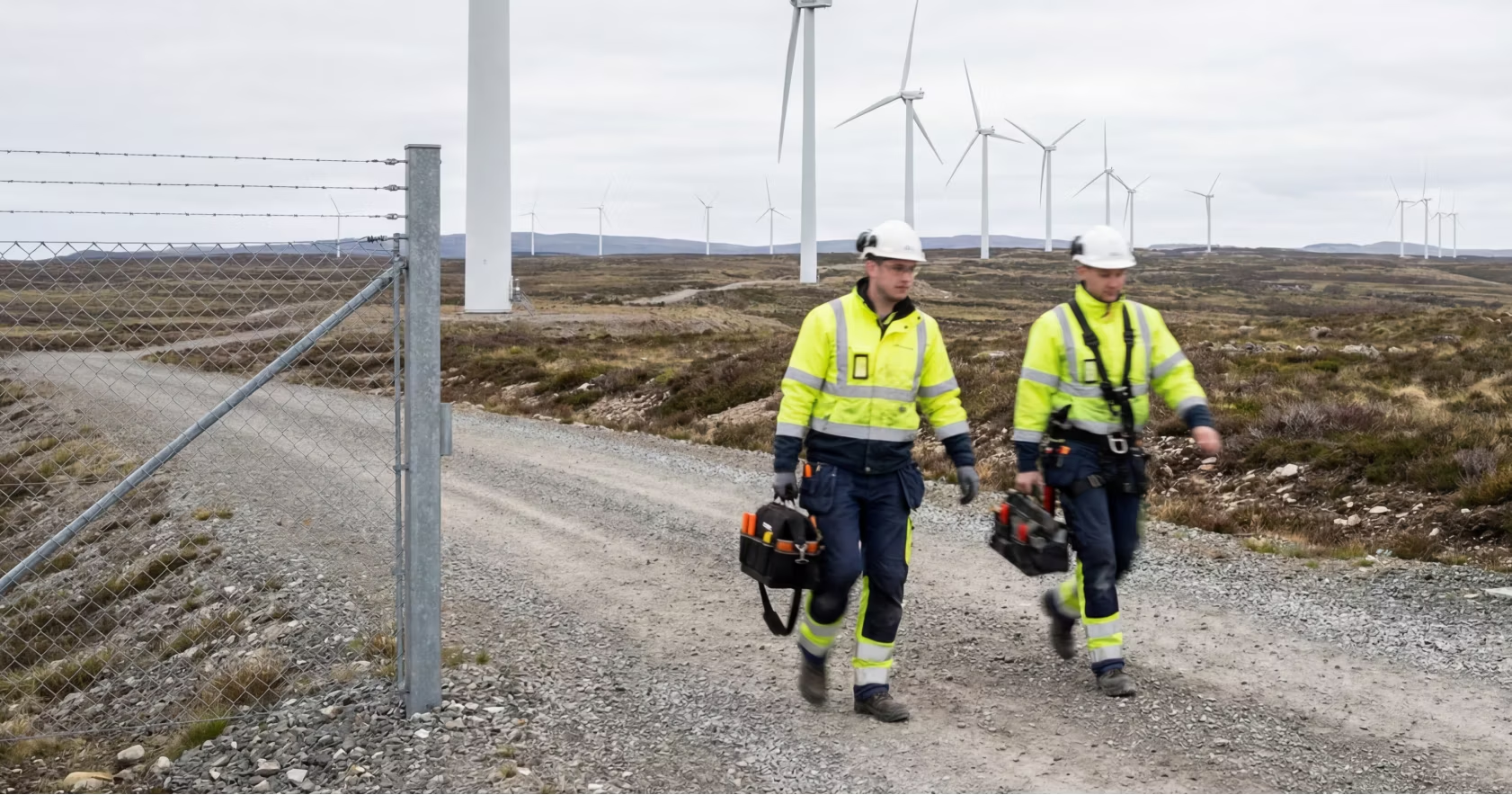
Most energy facilities still rely on card readers, PIN pads, or proximity badge systems to manage access. These systems were designed for a different threat landscape and create exploitable gaps where failure carries the highest operational consequences.
The exploitable gap in credential-based access
The problem with credential-based access is that it verifies the object and not the person. This creates routine vulnerabilities in facilities protecting highly sensitive infrastructure.
- Access cards get cloned easily in seconds
- Shift workers share PIN codes frequently
- Terminated contractors often retain active badges
A 2025 Trustwave Risk Radar Report documented an over 80% increase in ransomware activity targeting energy and utilities in 2024 compared to the prior year. Credential mismanagement appeared as a consistent thread across these incidents.
The true cost of a missing audit trail
Producing documentation during an audit means hours of manual cross-referencing for teams that rely on spreadsheet-reconciled badge logs. Unintentional discrepancies create compliance exposure and carry real financial consequences. Identity-verified access systems eliminate this problem by automatically generating timestamped, tamper-evident records for every access event.
How AI facial authentication closes the access control gap
Shifting from credential-based to identity-based access control means granting entry to the verified person instead of the card they carry. This distinction is operationally significant and legally defensible for environments where unauthorized presence could affect grid stability.
Stopping tailgating at substations and control rooms
Tailgating is among the most persistent physical security risks at energy facilities. A single tailgating incident places an unauthorized individual inside the most sensitive operational environment with no alarm triggered.
AI-powered access control systems address this directly using advanced capabilities.
- Wide-angle detection: A wide field of view, combined with depth sensing, identifies multiple people at a single point.
- Automated logging: The system logs the event and flags it instantly.
- Instant notifications: Security administrators receive real-time alerts without requiring a guard at every door.
This automated detection changes what a lean security team can cover across large campuses with dozens of entry points.
Real-time alerts that move security teams from reactive to proactive
Traditional access systems tell security teams what happened after the fact. AI-based systems tell them what is happening right now. Security administrators receive automatic, context-rich notifications for anomalous access attempts, such as tailgating or denied entries.
Managing multi-site access from a single cloud platform
Energy companies don't operate from a single location. A utility managing 15 substations, 3 generation plants, and 2 control centers across multiple states needs scalable access control.
Cloud-based facial authentication platforms allow security managers to handle everything from one centralized dashboard. A manager can revoke a contractor's access before a 6 a.m. shift change, with just a 30-second task at 11 p.m., from anywhere.
Where AI access control applies across energy infrastructure
Physical access risk in the energy sector doesn't concentrate in a single location. Every facility type carries its own exposure profile, and a comprehensive physical security posture requires coverage across all of them.
- Main entry and field perimeter points: Shift workers and contractors require fast and reliable authentication that handles high-volume traffic without creating bottlenecks.
- Control rooms and OT environments: Only verified, role-authorised personnel should gain access to these highest-sensitivity spaces.
- Substations and transformer yards: Automated detection and real-time alerting replace the need for a permanently posted guard in these remote locations.
- Energy data centers: These high-value targets require identity-verified access with detailed logs for security operations and IT compliance audits.
- Mechanical and electrical rooms: Restricted areas require automatic access records that satisfy internal policy and external audit requirements.
Priorities for modernizing utility access control
Not every biometric solution meets the demands of critical infrastructure. When security leaders evaluate modernization options, the capabilities that matter most are those directly tied to operational and compliance realities.
- Touchless authentication: Ensures fast, reliable access at busy shift-change entry points.
- Tailgating detection: Addresses the most persistent physical threat at high-value access points using AI.
- Legacy system compatibility: Enables practical deployment without forcing a full infrastructure overhaul.
- Cloud-based management: Supports consistent oversight across distributed facility networks.
- Automated compliance logging: Satisfies NERC CIP documentation requirements without adding operational overhead.
- Privacy-first design: Processes biometric data without storing identifiable images to address GDPR, CCPA, and BIPA concerns.
Ready to secure your critical energy infrastructure with Alcatraz AI?
Energy and utility facilities nationwide are replacing vulnerable credential systems with advanced technologies that strengthen physical security and streamline operations.
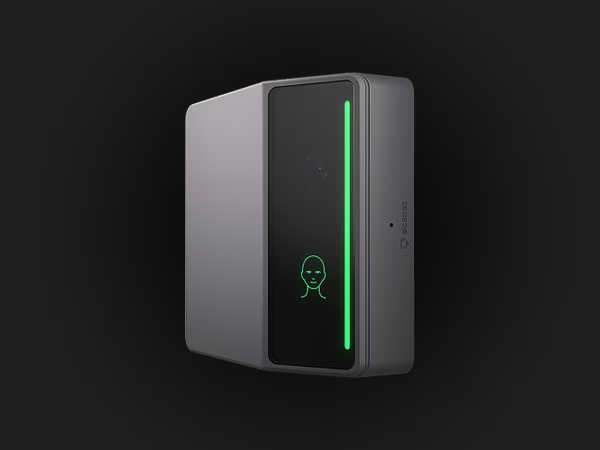
Schedule a demo to learn how Rock X delivers frictionless and NERC CIP-compliant access control tailored to the energy sector's unique demands, and why industry leaders choose Alcatraz AI to protect their most sensitive environments.