



From badges to biometrics: how multimodal authentication is redefining physical access security

You already protect your digital network with complex passwords and firewalls. Yet physical access control often remains stuck in the past, leaving your most valuable assets vulnerable to anyone who can swipe a stolen piece of plastic. Modern security requires a massive shift in how we protect the front door.
Today, relying on a single verification method simply invites risk, making multimodal authentication for physical access control the new standard for serious facility managers.
Key takeaways
- Legacy physical access methods verify the credential, not the person, leaving facilities vulnerable to lost, shared, or stolen badges.
- Organizations that use biometrics and multi-factor authentication report a 70% confidence level in their access control security.
- Physical security breaches, such as tailgating, cost enterprises an average of $2.4 million in total recovery costs.
- Multimodal authentication combines a physical or mobile credential with facial biometrics to create a frictionless, zero-trust environment.
- Advanced AI acts as an autonomous sentry, matching the exact number of faces to valid credentials and instantly detecting and alerting on tailgating attempts.
- Privacy-first systems convert faces into irreversible mathematical templates instead of storing photos, ensuring strict compliance with GDPR, CCPA, and BIPA.

The evolution of physical access security moving beyond single factors
Securing a modern corporate environment demands more than just a locked door and a security guard. Facility managers face sophisticated threats that require advanced, layered defense strategies.
Why legacy access methods fall short in modern facilities
For decades organizations relied on proximity cards, PIN codes, and physical keys. The fundamental flaw with these legacy systems is simple. They verify the credential, not the person holding it. This creates several major vulnerabilities.
- Lost credentials: Employees frequently misplace their badges.
- Shared access: Coworkers casually share PIN codes.
- Stolen keycards: Opportunists easily take unattended cards from public spaces.
When an unauthorized individual finds a badge, your system blindly grants them access to your secure facility. Consider a busy morning rush at a financial institution. Hundreds of employees enter the lobby within a 15-minute window. An employee scans their badge, the turnstile opens, and they hold the gate for the person right behind them. This simple act of politeness creates a massive security breach.
According to major industry insights, such as HID’s annual State of Physical Access Control Report, credential sharing and tailgating remain among the top security vulnerabilities for enterprise facilities. This ongoing threat of human error is a primary driver for organizations transitioning to biometric and mobile-based access solutions. Traditional methods simply cannot detect these human vulnerabilities.
Decoding multimodal authentication in access control
Upgrading your building's defense mechanisms means fundamentally changing how you verify identity. Security teams achieve this by combining different verification methods to create a more secure entry process.
Single-mode vs. multimodal systems
A single-mode system relies entirely on one point of failure. If an intruder compromises that one factor, they gain full access. Multimodal authentication eliminates this risk by requiring two or more independent credentials.
This mirrors the two-factor authentication you use online, but applied to the physical world. A robust approach combines multiple verification categories.
- Something you have: A physical badge or a mobile credential on your phone.
- Something you are: Facial biometrics verifying your actual identity.
ASIS International research shows that organisations deploying higher-security credentials, such as biometrics, mobile devices, and multi-factor authentication, report 70% confidence in the effectiveness of their access control systems (vs. 58% for those using less secure methods). Even if a bad actor steals a phone or badge, the biometric layer stops them. The system instantly recognizes the face does not match the credential owner.
Core technologies powering multimodal physical access control
To build a truly secure environment, physical security integrators deploy cutting-edge hardware and software that work in perfect harmony.
Facial biometrics in enterprise security
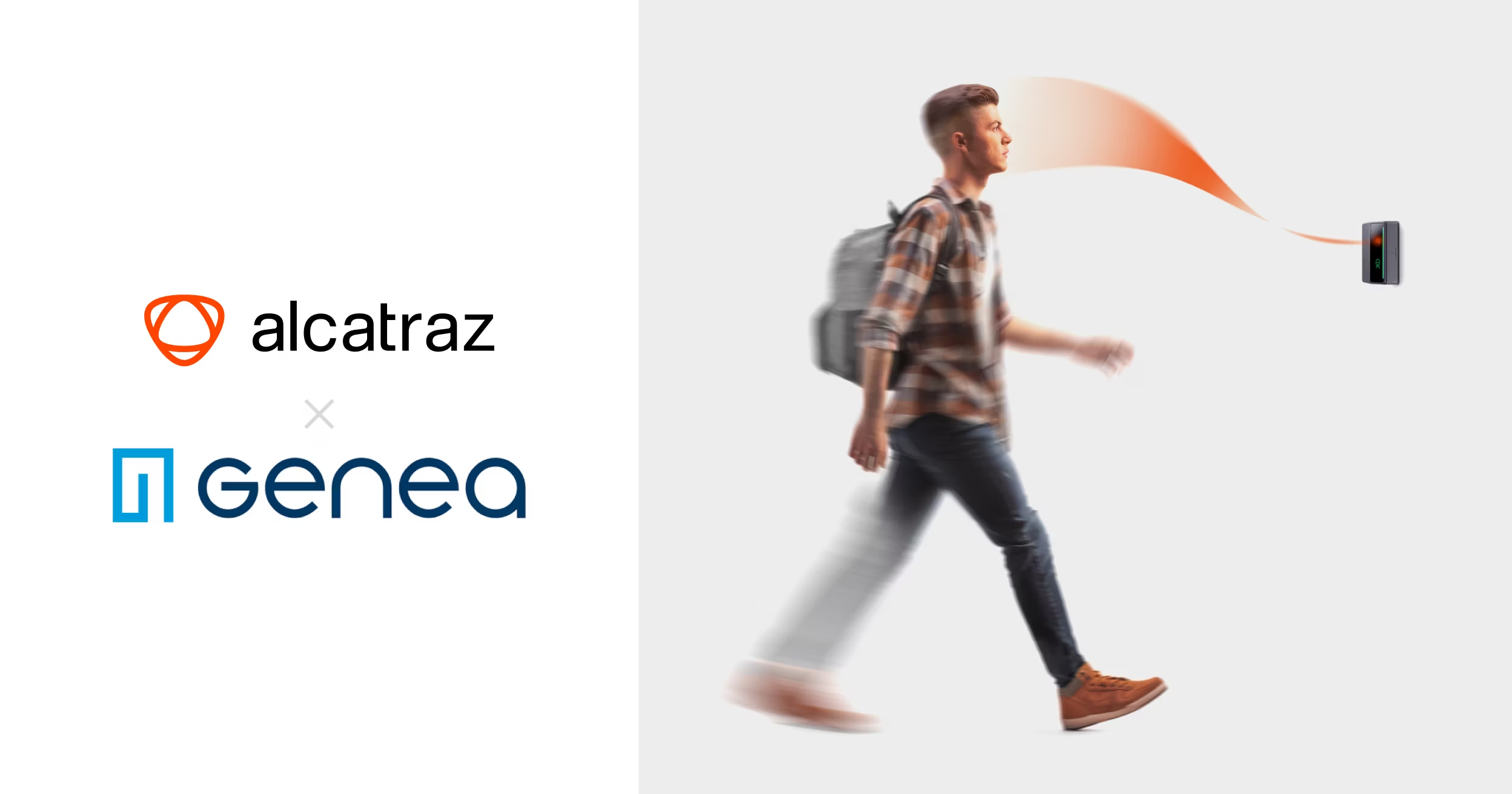
Modern facilities increasingly rely on the human face as the ultimate credential. Unlike fingerprints that require physical contact, facial authentication allows employees to walk right through. You simply integrate a biometric reader with your existing badge scanners.
- Instant verification: The employee presents their badge to the reader.
- 3D mapping: The biometric camera maps their facial topology using advanced 3D sensors.
- Real-time matching: The system cross-references data in real time to grant or deny access.
This creates a highly secure and completely frictionless experience. Employees do not have to stop or touch potentially unsanitary surfaces. Research shows the global biometric door lock market is valued at approximately $5 billion in 2025, growing at a CAGR of 15% through 2033, driven by enterprise demand for high-throughput, highly accurate verification methods.
Key benefits of multimodal authentication for physical access
Transitioning to a layered security approach transforms your daily operations. You protect your assets better while simultaneously making life easier for your workforce.
Preventing tailgating and unauthorized access
Tailgating remains one of the most dangerous vulnerabilities in physical security. Forrester research shows that enterprises spend an average of $2.4 million per breach in total recovery costs. Legacy systems are completely blind to these events. The door registers one valid badge swipe while ignoring unauthorized people walking past the employee.
Multimodal systems equipped with advanced AI change this dynamic entirely.
- Precise counting: The system uses facial biometrics to count the exact number of faces entering the frame.
- Credential matching: It matches those faces against the number of valid credentials presented.
- Instant alerts: If the system detects an extra face, it immediately alerts your security personnel and logs the event.
You no longer need guards at every single door. The technology acts as an autonomous sentry enforcing a strict zero-trust physical security environment.
Creating a frictionless access control experience
Security measures often frustrate employees, but multimodal authentication actually improves their daily routine. When you implement a seamless facial authentication system alongside mobile credentials, you eliminate the daily friction of forgotten badges.
Furthermore, you significantly reduce the administrative burden on your IT and security teams. Administrators no longer spend countless hours printing replacement cards or managing PIN codes. By binding an employee's face to their profile, you streamline identity management and get real-time, undeniable proof of who entered which door.
Addressing privacy and implementation in zero-trust security
Security professionals naturally worry about privacy regulations when deploying biometric solutions. You must protect employee biometric data just as fiercely as you protect corporate intellectual property.
Protecting biometric data while ensuring compliance
Many people confuse facial authentication with mass surveillance facial recognition. The difference matters immensely for privacy. Surveillance systems scan crowds to identify strangers without consent. Facial authentication requires user consent and compares the employee's face only against the template they voluntarily provided.
When you deploy a privacy-first multimodal system, the hardware never stores a photograph of the employee's face.
- Mathematical conversion: The system converts the face into a secure mathematical template.
- Irreversible data: Bad actors cannot reverse engineer this string of numbers back into a human face.
Facial authentication aligns with GDPR, CCPA and BIPA regulations by storing encrypted digital profiles based on facial features without retaining recognizable images. By using this method, organizations easily comply with strict privacy frameworks while maintaining security.
Real-world applications of multi-factor authentication
Different industries face unique security challenges, but the need for verified identity remains universal. Facility operators worldwide leverage multimodal strategies to secure critical infrastructure.
Securing corporate, healthcare, and government facilities
Imagine a massive hyperscale data center. A rogue contractor attempts to enter the server floor using a borrowed access card. In a traditional setup, the door opens, and the contractor gains physical access to servers containing sensitive client data.
However, with a multimodal system in place, the biometric reader immediately flags the mismatch. The door remains locked, and security receives an instant alert with video context.
We see similar success across various critical sectors.
- Healthcare: Hospitals protect pharmacies and maternity wards with healthcare access control, ensuring only authorized medical staff pass through.
- Corporate: Campuses secure executive suites and research labs seamlessly with premium access control systems.
- Data centers: Zero-trust security prevents rogue access to critical infrastructure.
By combining something the employee has with their unique biometric signature, these organizations successfully bridge the gap between physical and logical security.
Ready to upgrade your facility's security with Alcatraz AI?
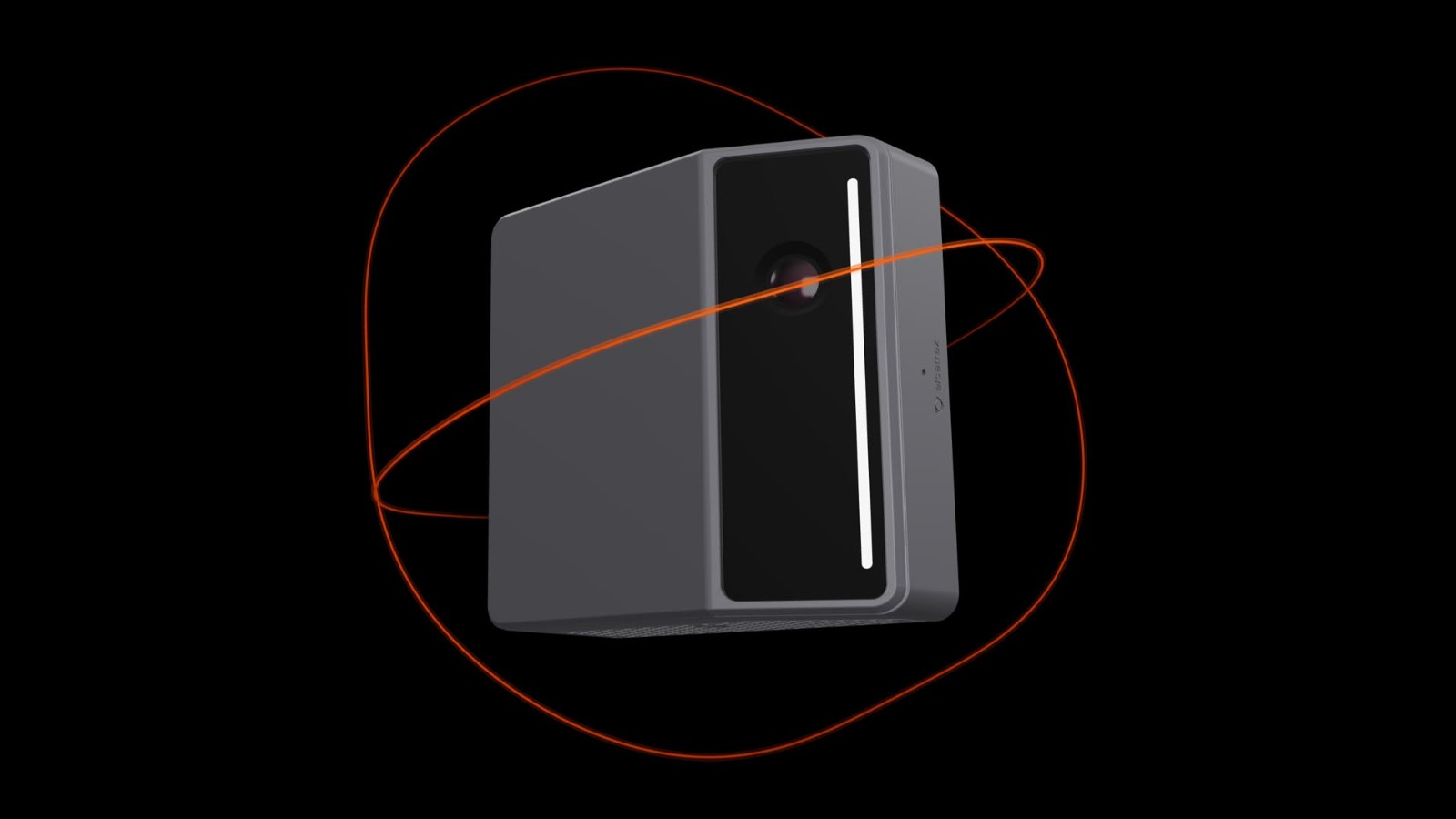
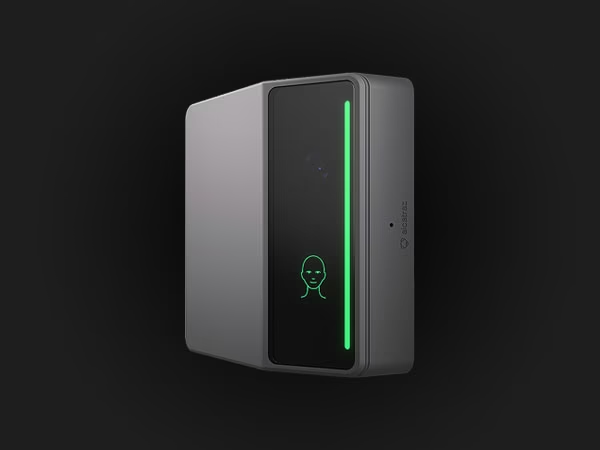
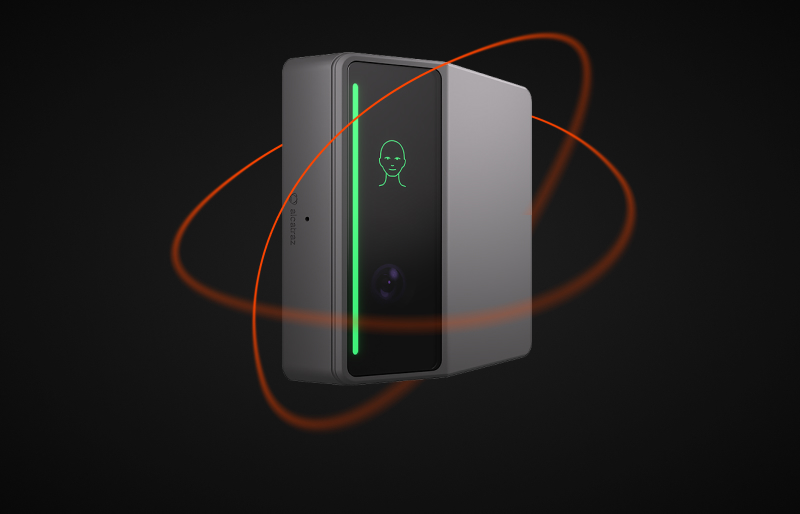
Relying on legacy badges leaves your facility exposed to physical security threats. Alcatraz AI designed the Rock X to deliver enterprise-grade multimodal authentication that prevents tailgating and enforces strict zero-trust policies without slowing down your daily operations.
Book a demo with our security experts today to transform your access control. Discover how seamlessly our solution integrates with your existing infrastructure to protect your most critical assets.