




Financial institutions must future-proof physical security in 2026

In today’s digital-first banking environment, cybersecurity alone is not enough. Physical security is equally critical for protecting employees, assets, and sensitive data, and for maintaining customer trust. While many financial institutions focus on preventing cyberattacks, physical breaches, including tailgating, ATM theft, insider threats, and social engineering, remain persistent and costly risks.
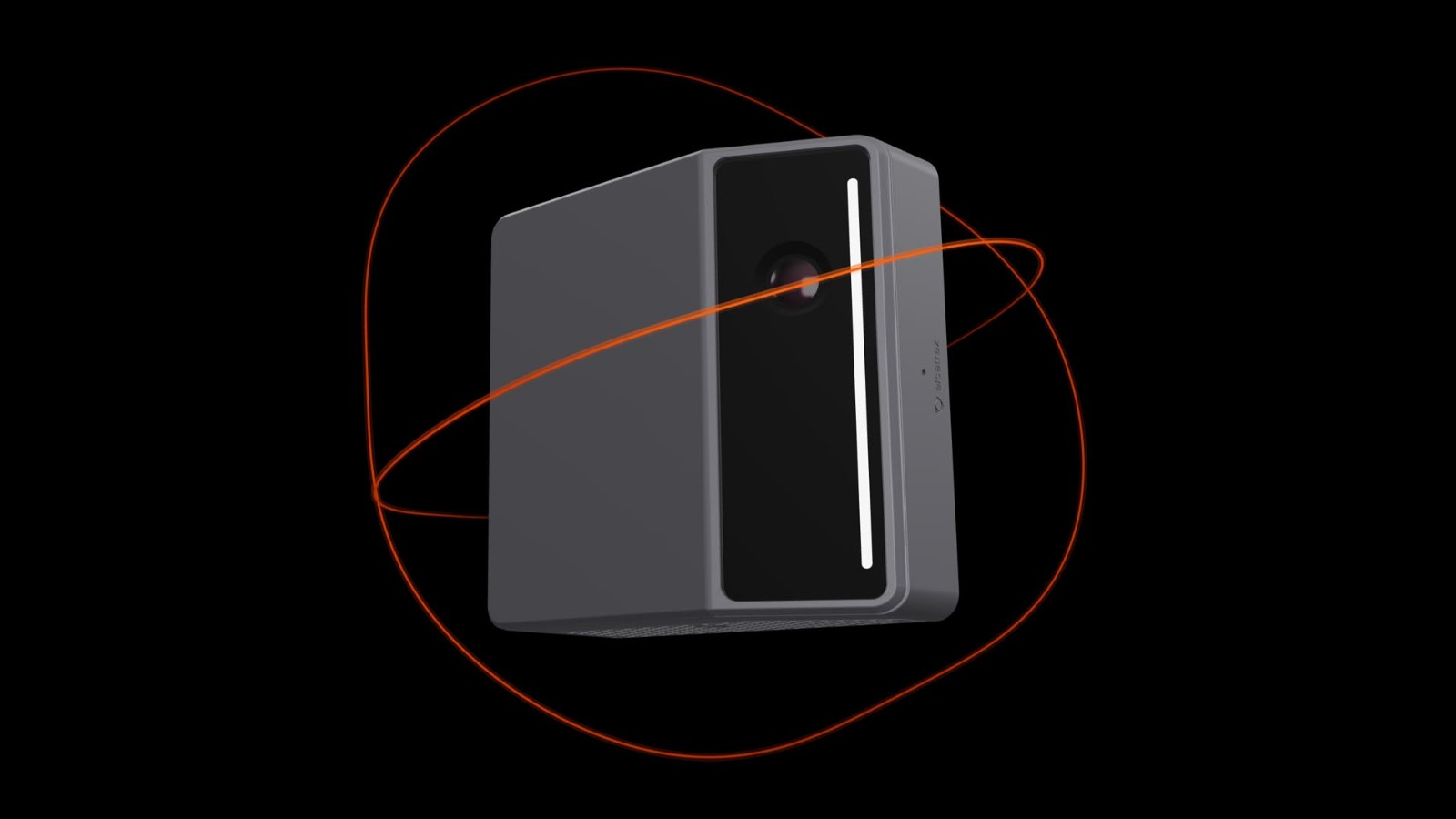
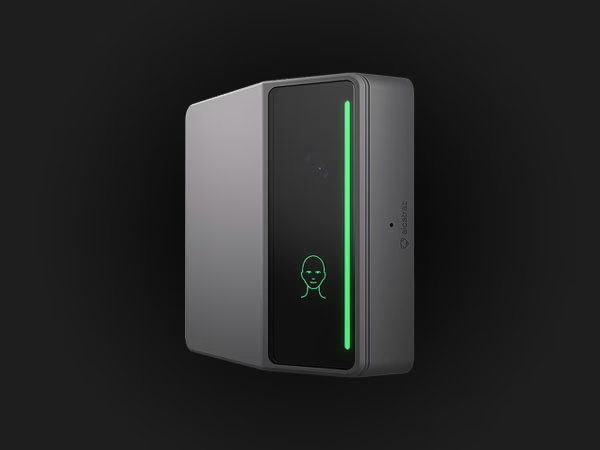
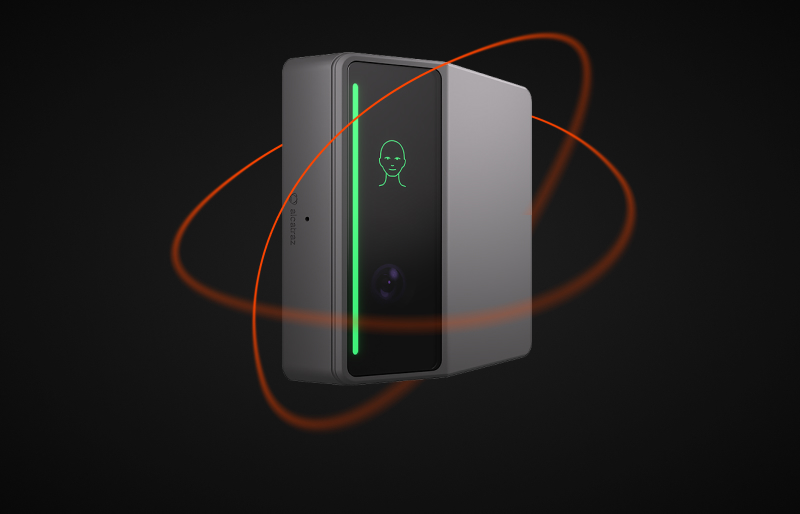
Alcatraz AI’s Rock X offers a modern solution: an AI-powered, frictionless facial authentication system that strengthens security, reduces operational overhead, and safeguards sensitive areas without disrupting workflows. By integrating seamlessly with existing access control infrastructure, Rock X transforms access management in banks, credit unions, and other financial institutions.

The importance and core principles of physical security in banks
Effective bank security requires a layered, identity-driven approach:
- Identity-based access: Every individual is verified before gaining entry.
- Least privilege enforcement: Employees and contractors only access areas necessary for their role.
- Zero-trust principles: Trust is never assumed; every access request is continuously verified.
- Redundancy: Environmental monitoring, fire safety, backup power, and surveillance complement access control, preventing single points of failure.
Common threats and challenges facing financial institutions
Traditional solutions like keycards, PINs, and security guards are increasingly inadequate, as they can be cloned, lost, or misused. Biometric systems, including fingerprint, iris, palm, and facial recognition, offer higher security, but each has trade-offs.
Financial institutions using traditional authentication methods face a spectrum of physical security challenges:
- Tailgating and credential misuse: Unauthorized individuals follow employees through secure areas.
- Insider threats: Employees, contractors, or vendors with excessive access can unintentionally or maliciously compromise critical systems.
- Outdated access control systems: Keycards, PINs, and security guards are increasingly ineffective.
- Operational challenges: Manual audits, human error, and compliance gaps leave institutions vulnerable.

Conducting Physical Security Risk Assessments in Financial Institutions
To strengthen physical security, banks must first understand their vulnerabilities:
- Identify critical areas: server rooms, vaults, cash storage, and executive offices.
- Evaluate current access control measures, monitoring systems, and emergency protocols.
- Assess potential insider and outsider threats, including social engineering tactics.
In order to complete a full audit of your existing access control system (ACS), you need to keep three things in mind:
1. Identity-Based Access Control and Zero-Trust Principles
Every entry point should require authentication, with continuous verification regardless of role or location. Banks must enforce role-based access and segmentation for contractors or temporary staff to prevent unauthorized access.
2. Continuous Monitoring and Audit Readiness
Real-time activity logs, automated alerts, and VMS integration help financial institutions respond instantly to potential breaches. This ensures regulatory compliance, supports incident investigations, and maintains client trust.
3. Multi-Layered Physical Security Strategy
Effective physical security is holistic:
- Facial authentication at all entrances and high-security zones.
- Environmental monitoring, fire safety, and backup power systems.
- Redundancy and layered defenses to prevent single points of failure.
Once the initial audit is complete, enforcing policies to prevent breaches is much easier with modern physical security solutions. In particular, such solutions offer a myriad of benefits:
- AI-powered facial authentication: modern biometric devices like Rock X verify individuals in real time, instead of just verifying the credentials. This means that credential theft is virtually impossible when your face becomes your main credential.
- Tailgating detection and automated alerts: Threat actors often breach physical security by following authorized individuals into restricted areas. Features like video feed control and tailgating detection reduce the need for on-site monitoring.
- VMS integration: Video Management Systems provide clear visual records of access incidents and alert security teams immediately in the event of a breach, making it much faster and easier to catch the perpetrators.
- Periodic audits and compliance checks: Modern biometrics systems have comprehensive event logging that is transmitted directly via cutting-edge software, ensuring readiness for regulatory inspections.
Integrating Cutting-Edge Technology for Enhanced Protection
Rock X represents the next generation of financial institution access control, delivering:
- Frictionless enrollment and access: Users simply approach, and Rock X authenticates instantly.
- Tailgating detection and zero-trust enforcement: AI identifies unauthorized entries and sends real-time alerts.
- Edge AI and machine learning: System adapts to environmental changes and evolving user profiles without re-enrollment.
- Privacy-by-design: Encrypted templates, opt-in consent, and GDPR/BIPA/CCPA compliance ensure data protection.
- Multi-factor authentication: Enhances security in high-value areas such as vaults, server rooms, and executive offices.
The question we often get from banking professionals is: “Does this mean that we have to rip out our existing access control systems?” The good news is that our solution integrates with existing ACS and can be plugged directly into your existing systems with no rip-and-replace needed.
Conclusion: the future of bank security is identity-based
Identity-based physical security is no longer optional for financial institutions. Facial authentication systems like Rock X strengthen security without adding friction, safeguard critical areas, and maintain customer trust. By integrating AI-powered biometrics, tailgating detection, and privacy-focused design, banks can future-proof their operations while reducing operational costs and enhancing regulatory compliance. Ready to see how we help banks? Schedule a demo.