




Why physical security in data centers is your weakest link
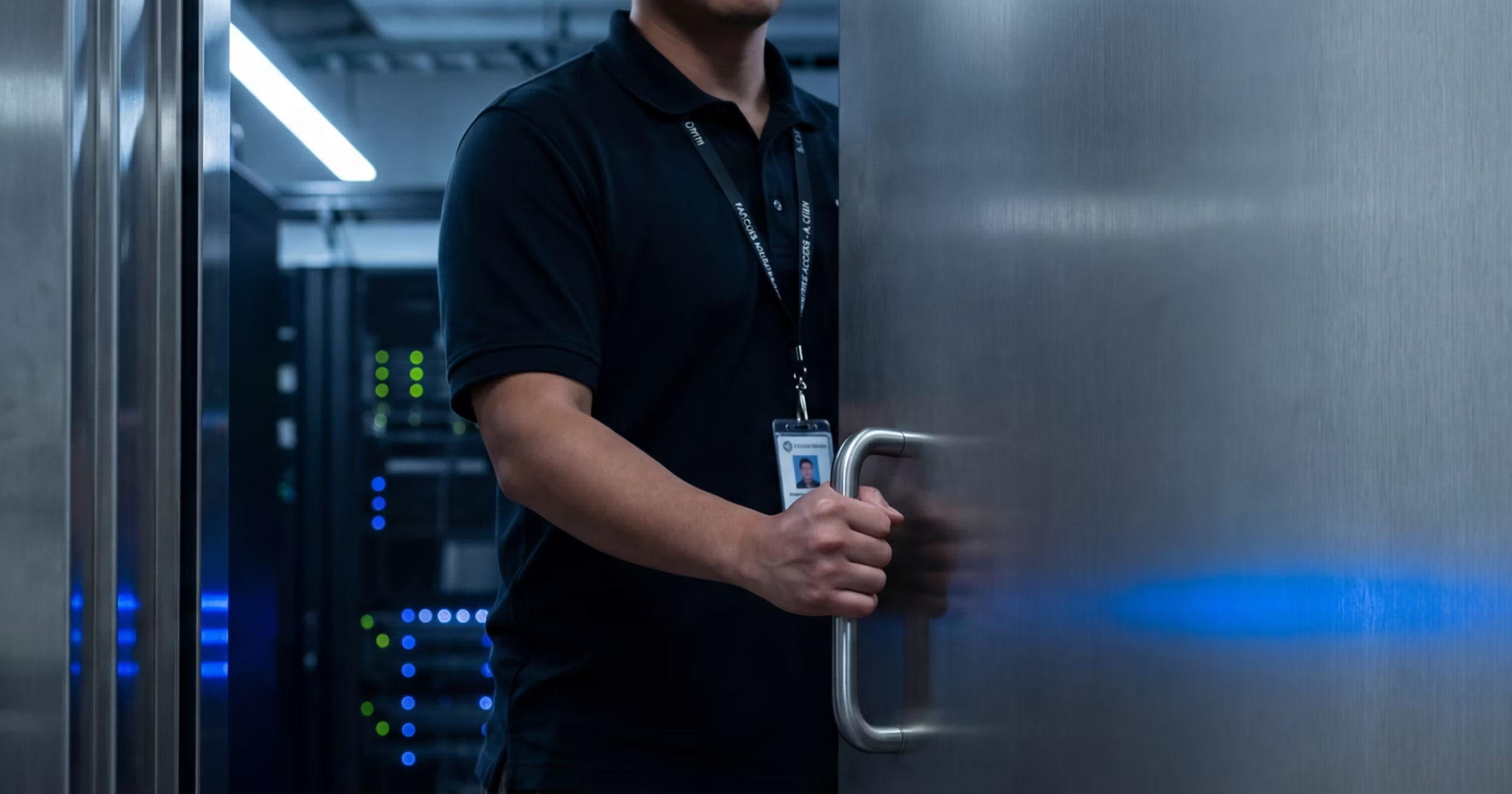
Data centers invest millions in digital firewalls, encryption, and cybersecurity protocols to protect sensitive information. However, a single propped-open door or a stolen proximity card instantly nullifies those expensive digital defenses. According to the Ponemon Institute's Cost of a Data Breach Report, a physical security compromise costs organizations an average of $4.36 million.
You cannot achieve true data security without impenetrable physical barriers. Threat actors constantly look for the path of least resistance and often find it at a poorly secured server room door.
Key takeaways
- A physical security compromise costs organizations an average of $4.36 million, according to industry reports.
- Human error and physical access vulnerabilities account for roughly two-thirds of all data center outages.
- Over 70% of security professionals consider their facilities highly vulnerable to physical tailgating breaches.
- Insider threats are increasing rapidly, with 74% of organizations reporting more frequent internal attacks.
- The biometric technologies market is projected to reach $57 billion by 2026 as facilities adopt zero-trust facial authentication.
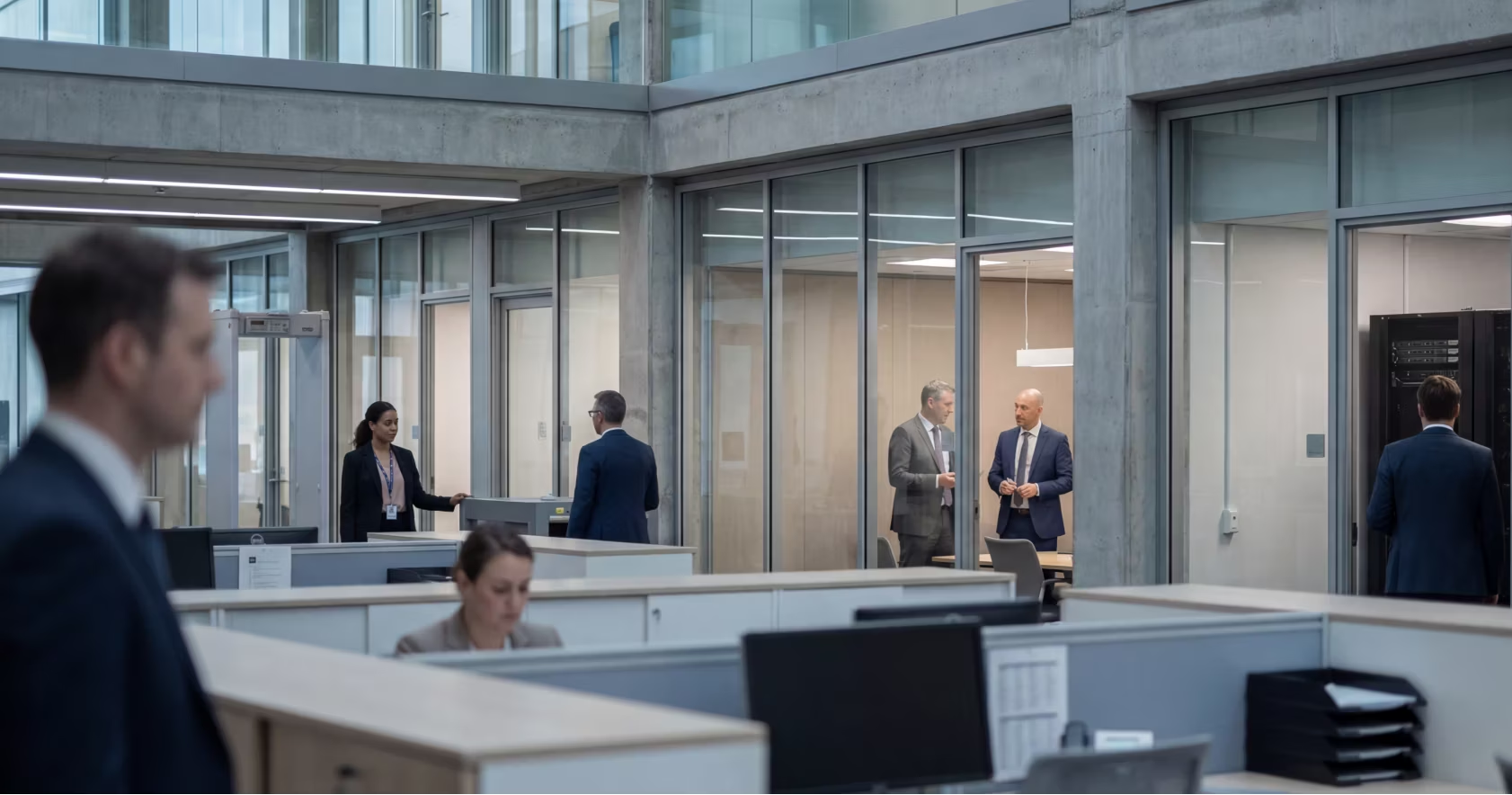
The hidden vulnerabilities in modern data centers
Security teams frequently obsess over network vulnerabilities while overlooking glaring gaps at their physical perimeter. Critical infrastructure protection must start the moment an individual steps onto the property.
Protecting sensitive data from physical breaches
Data center physical security requires much more than just a locked door. Uptime Institute research indicates that human error plays some role in about two-thirds of all data center outages. Unauthorized individuals accessing server racks can easily disrupt operations.
- Power disruptions: Intruders can quickly tamper with power supplies and cooling systems.
- Hardware theft: Physical access allows attackers to directly steal hard drives and physical servers.
- Visitor tracking: You must implement robust visitor management systems to track exactly who enters the facility and when.
The reality of power and infrastructure tampering
Physical breaches introduce severe operational risks beyond data theft. Intruders can manipulate backbone routers or damage backup generators, resulting in catastrophic downtime. Your team must secure these critical utility areas with the same rigorous protocols applied to the main server floor.
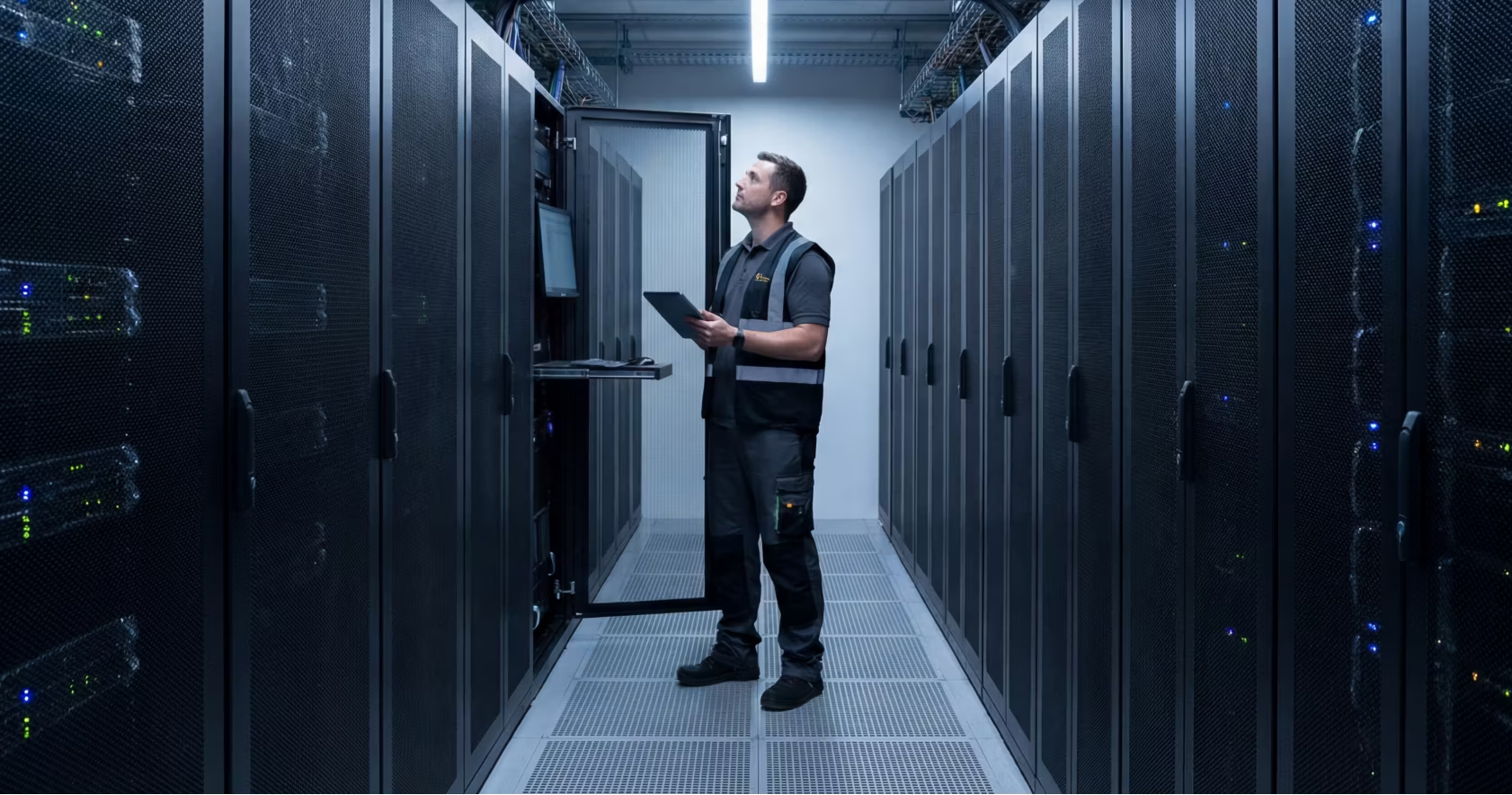
Moving beyond outdated access control systems
Relying on legacy technology creates massive blind spots that modern threat actors easily exploit. You need server room security solutions that actively verify a person's identity rather than reading a piece of plastic.
The risks of legacy card-based systems
Traditional data center access control systems rely heavily on keycards, fobs, and passwords. Unfortunately, employees frequently lose these credentials, share them with colleagues, or leave them exposed to theft.
Consider a scenario during a morning shift change at a major colocation facility. A third-party vendor drops their access card in the parking lot. A malicious actor picks it up, swipes it at the reader, and walks right into the server room. Because the system only authenticates the card and not the person, the breach goes completely unnoticed.
How zero-trust physical access changes the game
Enterprise facilities must adopt zero-trust security to combat these vulnerabilities. This framework operates on a simple principle: never trust, always verify. Every access request requires strict identity validation regardless of whether the user is a known employee or a scheduled contractor. Zero-trust physical access ensures authorization remains continuous and dynamic across every interior door.
Defending against insider threats and social engineering
Technology alone cannot stop human manipulation. Intelligent access systems can catch anomalies when employees break protocol. Insider threat detection requires a blend of strict organizational policy and smart authentication tools.
Real-world tactics like tailgating and credential sharing
Social engineering attacks often happen offline. Threat actors dress as service technicians and ask unsuspecting employees to hold the door open. This tactic, known as tailgating, severely compromises facility integrity.
A Boon Edam security survey found that over 70% of security professionals believe their facilities remain highly vulnerable to tailgating breaches. Effective prevention requires systems that instantly detect when two people attempt to enter with a single credential.
Preventing insider threats with advanced technology
Disgruntled employees or compromised vendors pose another significant risk. Gurucul's 2023 Insider Threat Report states that 74% of organizations report insider attacks have become more frequent. Preventing insider threats demands role-based access controls that restrict individuals to specific zones. If a cooling technician tries to enter a high-security server cage, the system should immediately deny entry and alert the security desk.
Implementing AI security technology for critical infrastructure
Forward-thinking facility managers now deploy intelligent edge devices to stop unauthorized entry in real time. This technological evolution shifts access control from reactive logging to proactive threat prevention.
The role of facial authentication technology
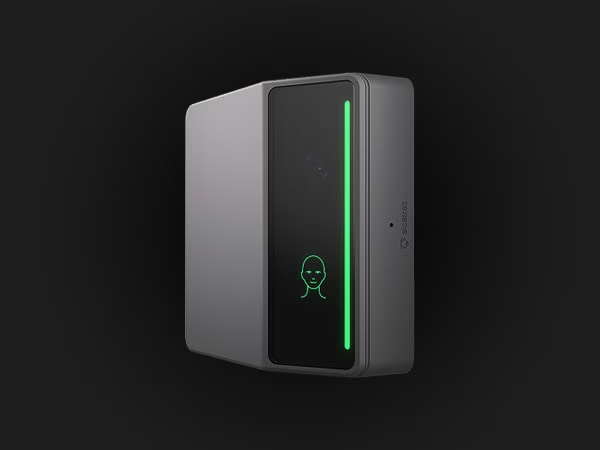
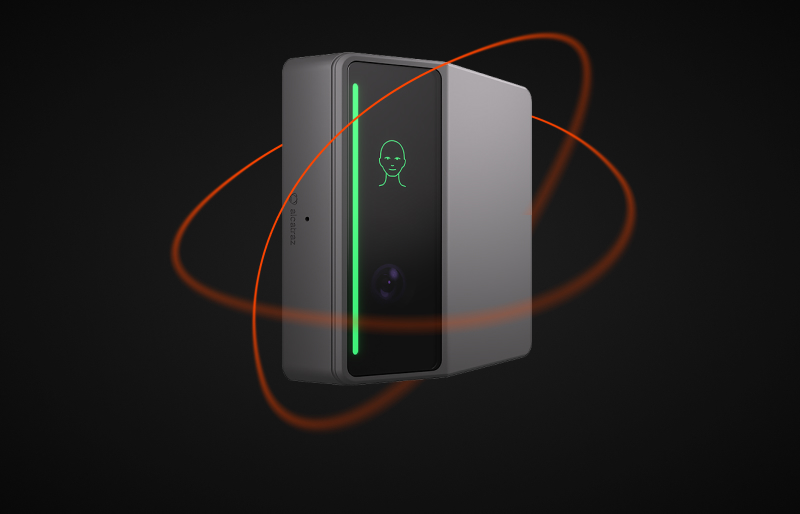
Modern facilities rely on facial authentication technology to replace vulnerable physical credentials. Unlike traditional methods, biometric access control binds the credential directly to the human being.
- Unstealable credentials: You cannot steal, share or forget your face.
- Frictionless experience: Authorized personnel simply walk up to the door to gain access.
- Instant verification: The system verifies identity in milliseconds without requiring a badge or PIN code.
Ensuring privacy and compliance in secure facilities
Enterprise leaders rightly prioritize privacy when evaluating AI security technology. Gartner projects that the biometric technologies market will reach $57B in 2026, signaling massive adoption for critical infrastructure. You must select solutions built with a privacy-first approach to safely align with this trend.
- Encrypted data: Industry-leading systems store data securely and comply with privacy regulations like GDPR, CCPA and BIPA.
- Facial topography: Modern AI uses localized templates rather than storing raw images.
- Protected identity: The user's identity remains fully protected while enabling swift entry.
Securing the future of your data center
Safeguarding a high-stakes environment demands a multi-layered security approach. You have to continuously evolve your strategies to stay ahead of sophisticated physical and digital threats.
Bridging the gap between physical and digital security
True resilience requires breaking down the silos between IT and physical security teams. Modern data centers must treat physical access points as critical network nodes. Integrating advanced access data with your security operations provides complete visibility into who is interacting with your critical infrastructure.
Building a frictionless physical infrastructure
Future-proofing your facility means adopting solutions that scale with your operational needs. The next generation of physical security prioritizes both rigorous protection and daily efficiency.
- Security convergence: Teams can monitor cyber and physical threats together through unified platforms
- Seamless integration: Modern systems connect easily with your existing infrastructure without causing disruptions
- Scalable protection: Edge computing devices provide reliable authentication even during network outages
Stop physical breaches at your data center doors with Alcatraz AI
Cybercriminals do not always hack their way past firewalls; they can simply walk into your server room with a stolen badge. Protecting your critical infrastructure requires stopping unauthorized access the moment someone approaches the door. Alcatraz AI transforms your physical security by replacing easily compromised plastic cards with intelligent facial authentication.
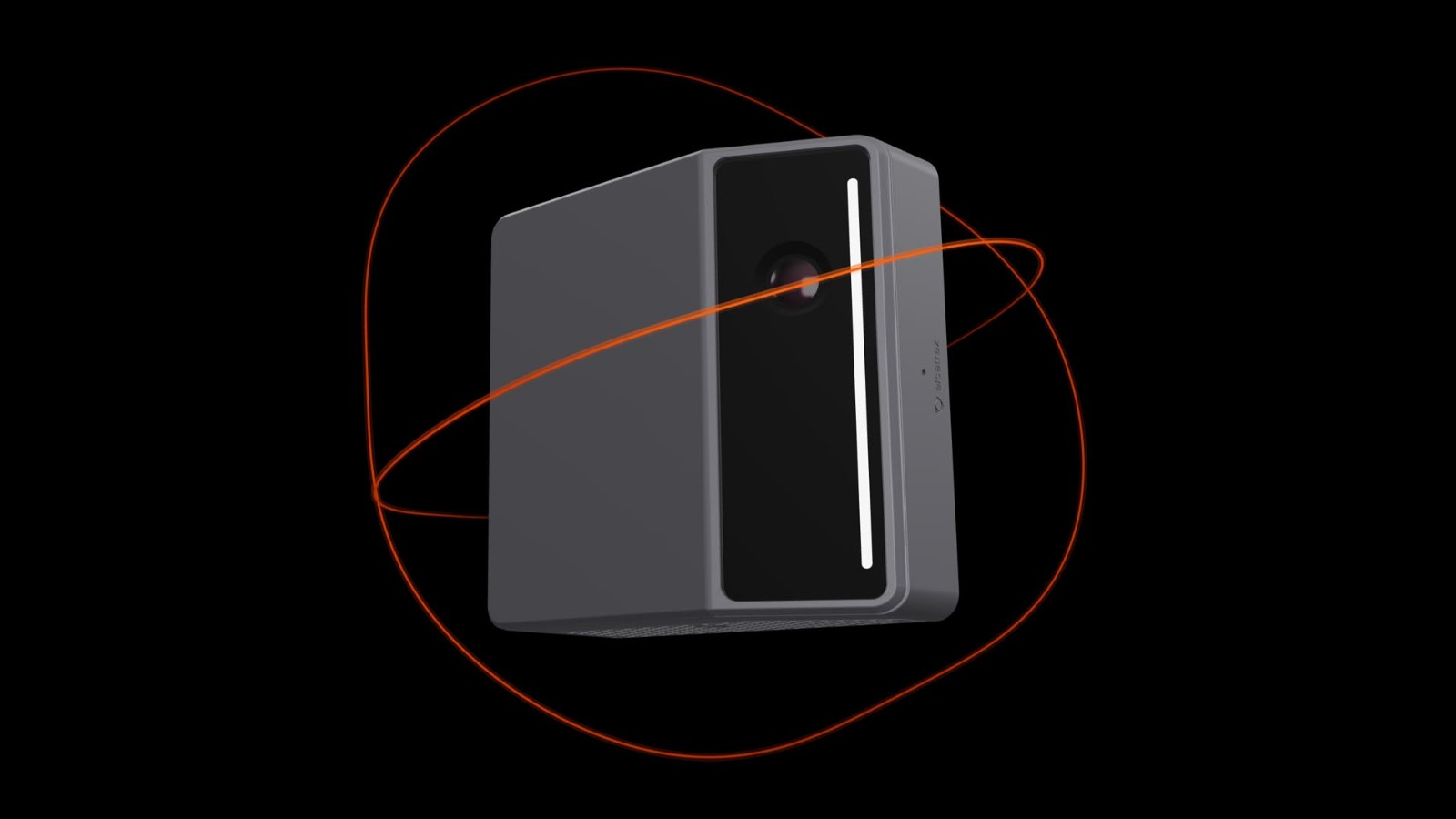
Schedule a demo to see how Rock X enforces true zero-trust access and delivers absolute certainty about exactly who enters your most sensitive server environments.