


Campus access control that keeps an open campus safe
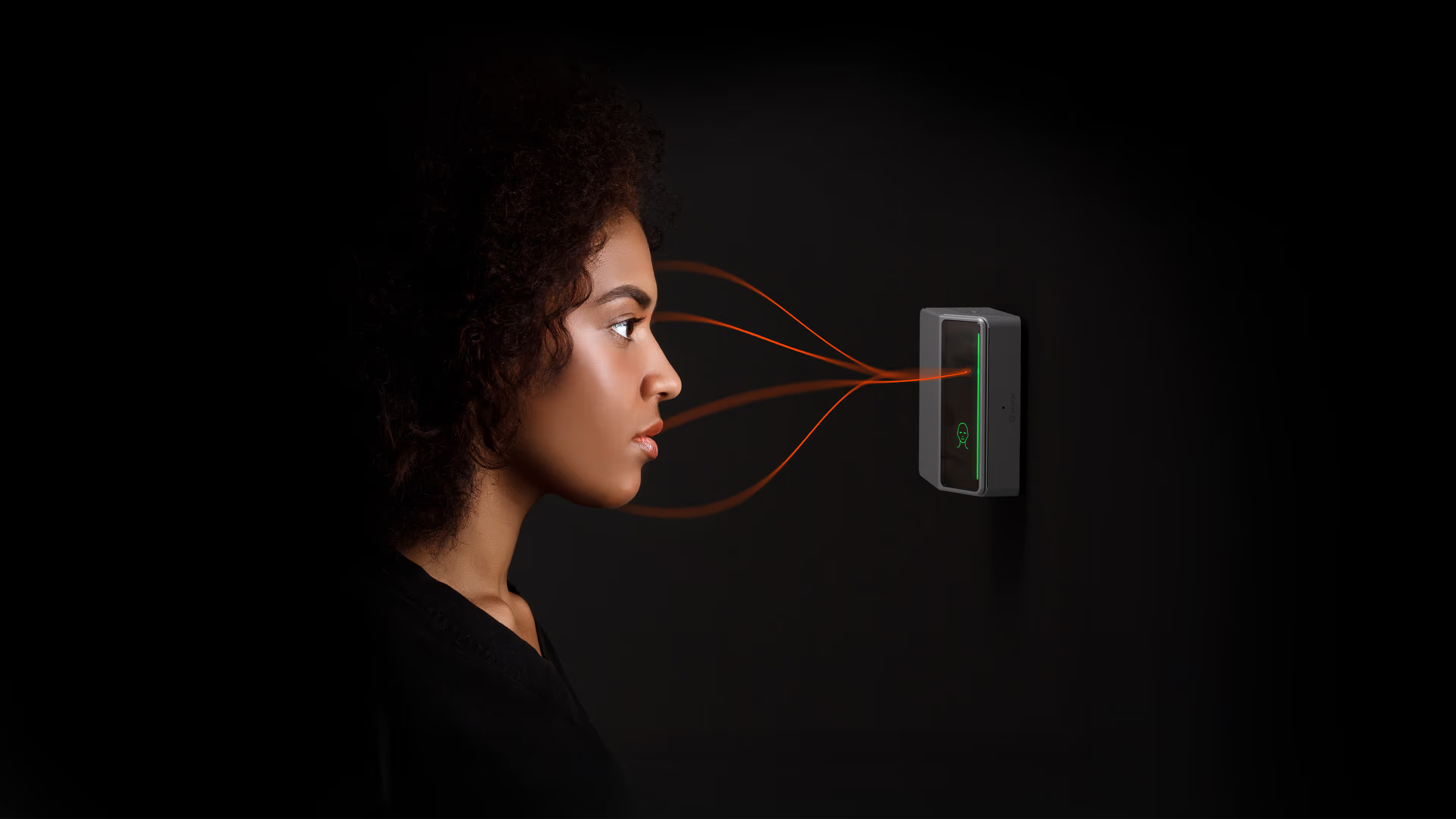
Campus access control from Alcatraz secures residence halls, labs, and athletic facilities with opt-in facial authentication. Students and staff authenticate hands-free in under a second, lost-ID lockouts disappear, tailgating into dorms is detected in real time, and all biometric processing stays on the edge device, never in a cloud.
Trusted by universities









The campus challenge
A university is deliberately open. Dozens or hundreds of buildings, public events, visiting scholars, and a front gate that is more of an idea than a barrier. Inside that openness live spaces that must be strictly protected: residence halls, research labs, health centers, athletic facilities.
The population makes it harder. Students, faculty, staff, visitors, and contractors overlap everywhere, and the student body turns over meaningfully every semester. Tens of thousands of physical credentials are issued, lost, replaced, and loaned each year, and the campus card office absorbs the churn.
Alcatraz resolves the tension without closing the campus. Public spaces stay open. Protected spaces open only for verified, enrolled people. And the credential that gets lost at a party stops being the thing standing between a stranger and a residence hall.
Why facial authentication works on campus
Lost IDs are the top help desk ticket. Every lost card is a lockout, a replacement fee, and a window where the card opens doors for a stranger. A face cannot be lost, and enrollment through Rock Cortex takes minutes at orientation.
Face unlock is native to students. This generation has authenticated with their face since their first phone. Opt-in facial authentication at the dorm feels like the world working normally, not like new security.
Credential sharing is a safety issue, not a rules issue. A loaned dorm card admits an unvetted person to a residence. Facial authentication ends the practice without a policy war, because the credential simply cannot be shared.
And the held door, the failure card systems never see, becomes a real-time event: tailgating detection flags the follower with video for campus safety.
Student privacy first
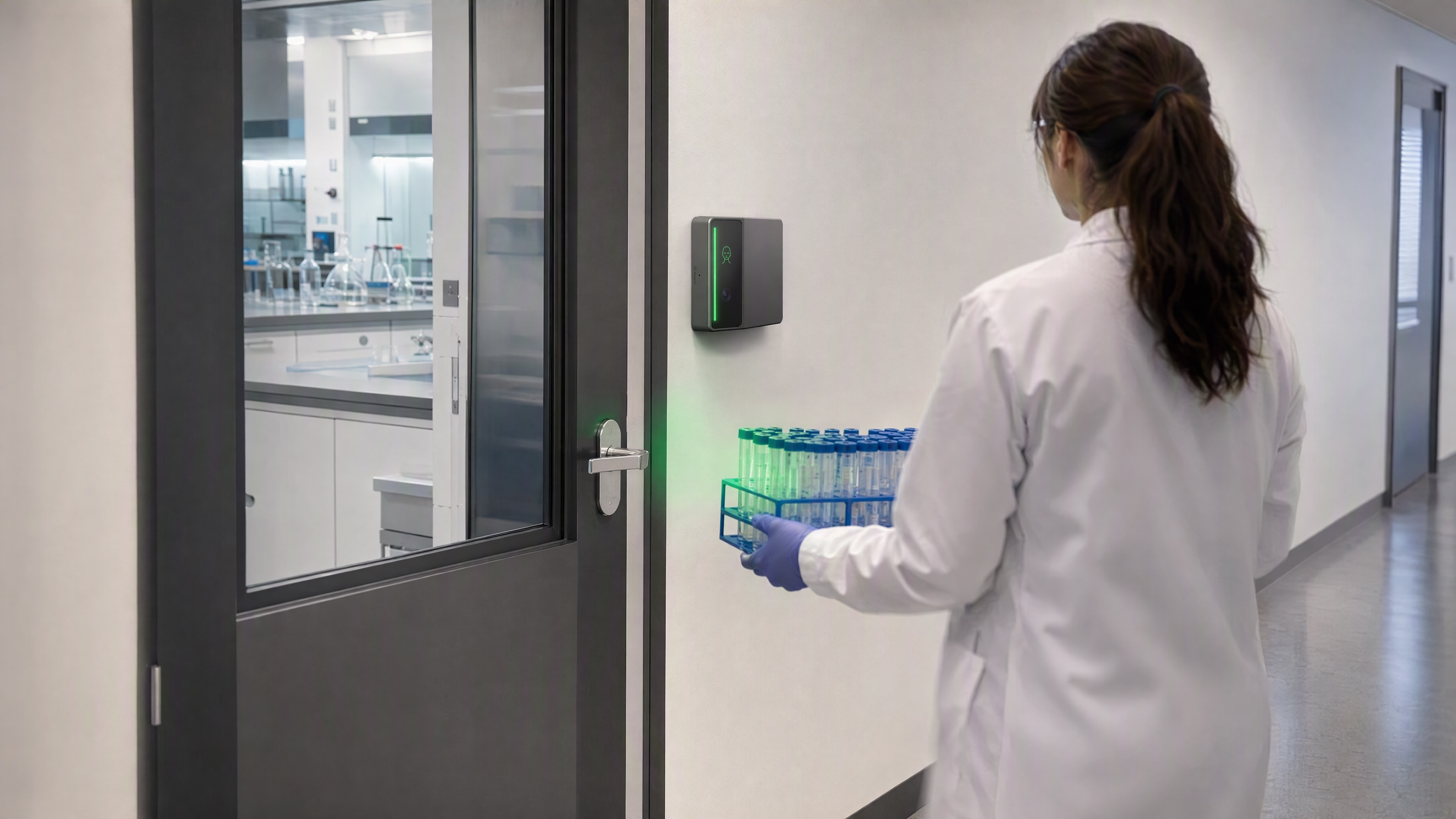
Universities answer to students, parents, faculty senates, and privacy advocates, and Alcatraz is designed to pass that review. Enrollment is opt-in, always. All processing happens on the edge device at the door, and faces are converted to encrypted, non-reconstitutable templates. No photos or videos of faces are stored, and there is no cloud storage of identifiable biometrics.
This is authentication, not recognition. Enrolled students and staff are verified at doors they are authorized to use. Nobody is scanned walking across the quad, and there is no watchlist. The architecture makes the privacy promise structural, which is what campus governance processes actually require.
Key zones
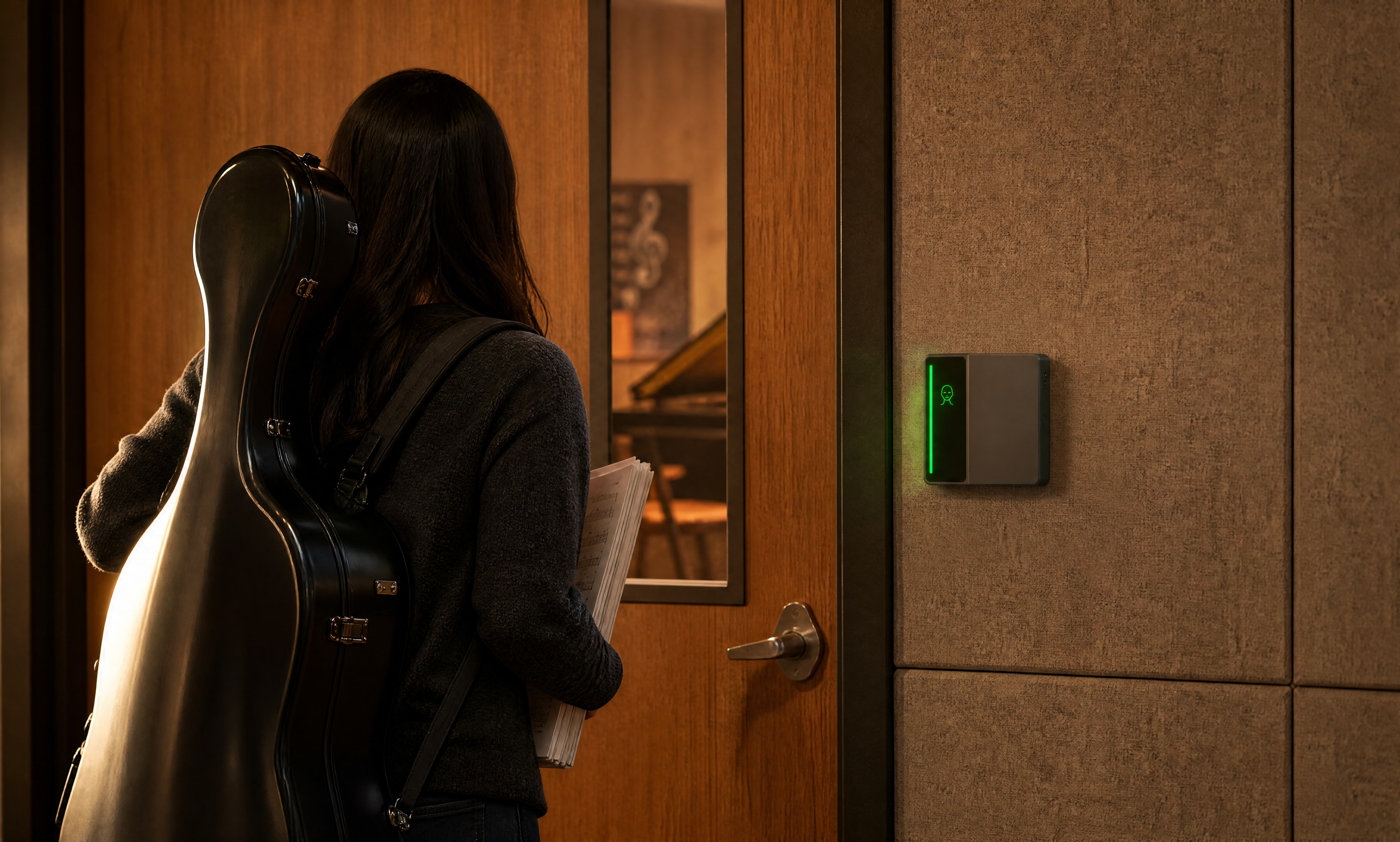
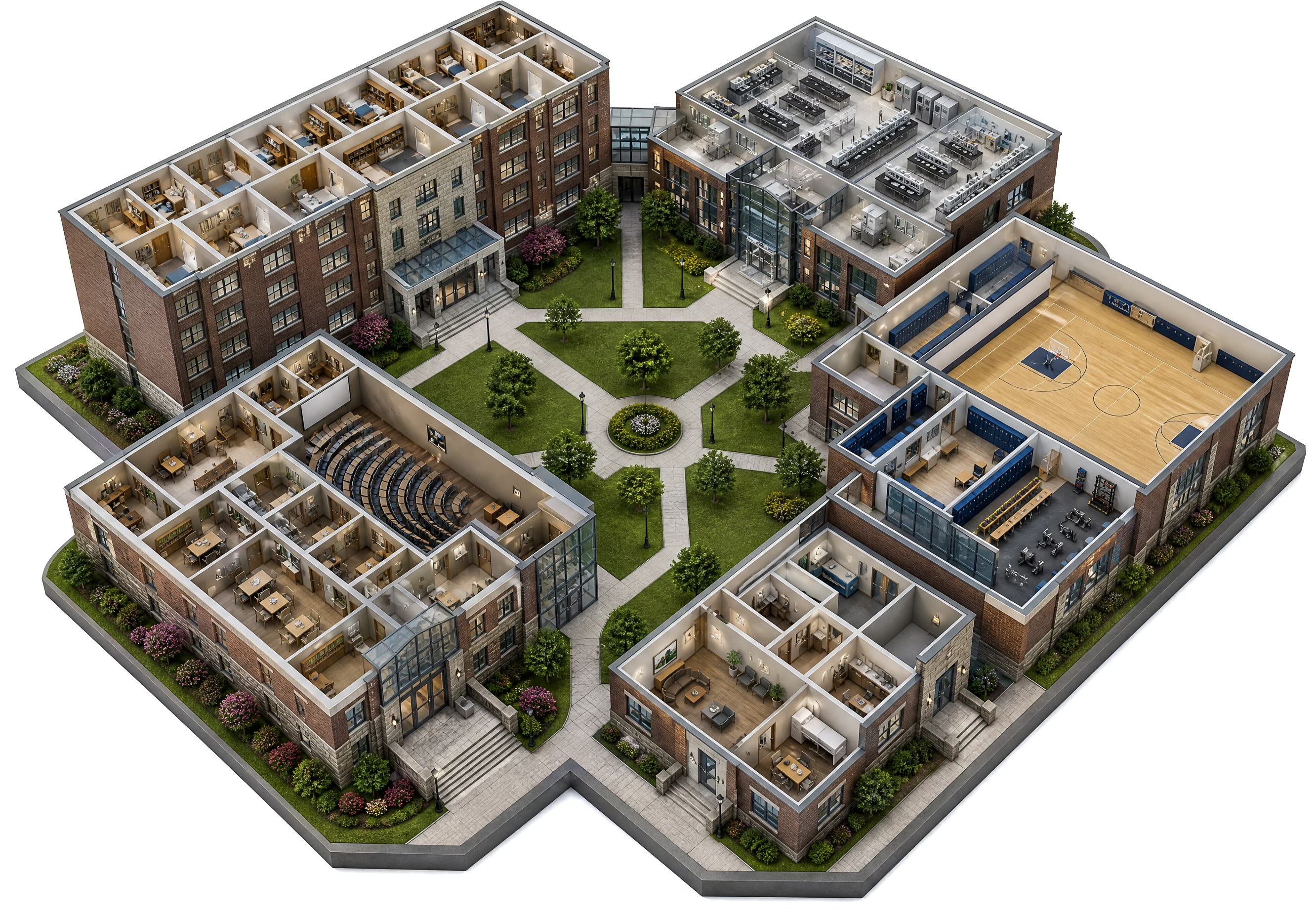
Key zones across campus
Residence halls
Dorm security fails through borrowed cards and held doors, and both failures put students at risk where they sleep. Facial authentication makes residence hall entry personal: the door opens for the verified resident, not for whoever holds a card. Tailgating detection flags a follower in real time with video for campus safety, covering the propped-door culture that RAs fight all year. Lost IDs no longer mean lockouts at 2 am.
Research labs
University labs hold sponsored research, controlled materials, and graduate students’ years of work. Access follows training and authorization status through roles in Rock Cortex, so entry to a lab requires being the verified person who completed the requirements, not just holding a card that once did. Every entry is logged to an individual, which sponsored-research audits and safety reviews increasingly expect.
Protecting high-value research spacesAthletic facilities
Locker rooms, training centers, and equipment rooms serve athletes on schedules that never match the badge office’s hours. Hands-free facial authentication lets rostered athletes and staff in without carrying anything, and keeps everyone else out, including the fans and acquaintances who talk their way in behind a team member. Roster changes are software changes, applied in Rock Cortex the day they happen.
Managing roles across a campusAcademic buildings and admin offices
After-hours access to studios, shops, and departmental offices is where card sharing thrives. Facial authentication gives students legitimate after-hours access without loanable credentials, and gives facilities a person-level record of who was in the building overnight. Registrar, bursar, and HR areas gain verified entry during the day with no receptionist friction.
Health and counseling centers
Campus health spaces need controlled staff areas beside welcoming public entrances. Staff doors open hands-free for enrolled, verified clinicians and counselors, records areas log every entry to a person, and students seeking care never encounter a scanner, because patients and visitors are not enrolled and are never authenticated.
5M+
Employees protected by Alcatraz across all industries
91%
Customer satisfaction
<1s
Hands-free authentication at the door
Why biometrics
Why biometrics on campus

Lost IDs stop mattering
A face cannot be lost at a party. Lockouts, replacement fees, and found-card risk all disappear at enrolled doors.
Held doors become events
Card systems never see the follower at a dorm door. Alcatraz detects them in real time, with video for campus safety.
Sharing simply ends
A loaned card admits a stranger to a residence. A face cannot be loaned, and 3D liveness blocks photo and mask attempts.
Processing stays on device
All processing happens on the device. Templates are encrypted, no face images are stored, and biometric data never flows to a cloud.
Use cases
Every entrance type
Door
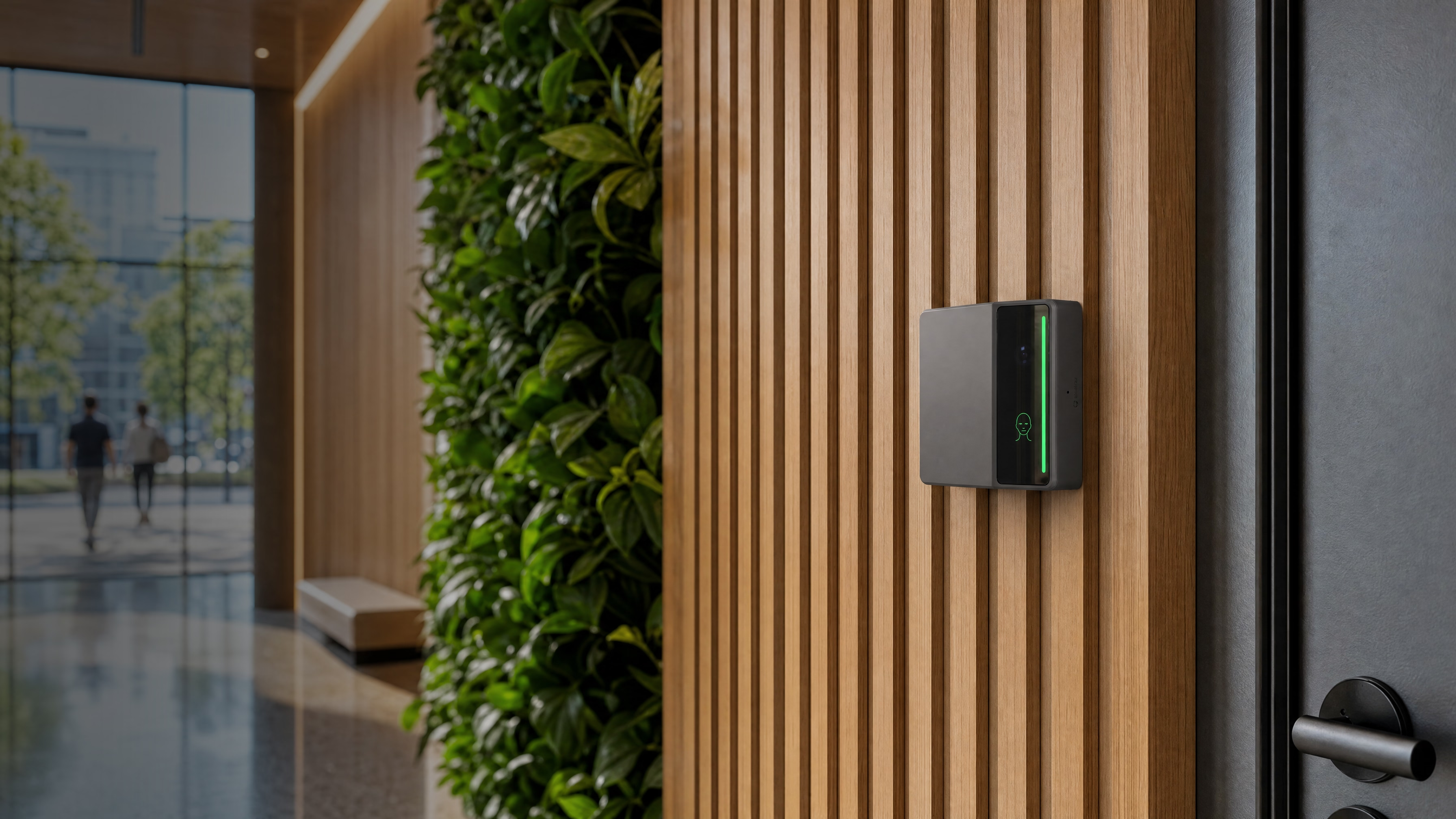
Dorm, lab, and office doors get sub-second, hands-free facial authentication with tailgating detection, opening only for verified, enrolled students and staff with the right role.
Turnstile
Recreation centers, dining halls, and athletic facilities authenticate members at walking pace, ending card-pass-back at the turnstile while keeping peak-hour lines moving.
Mantrap
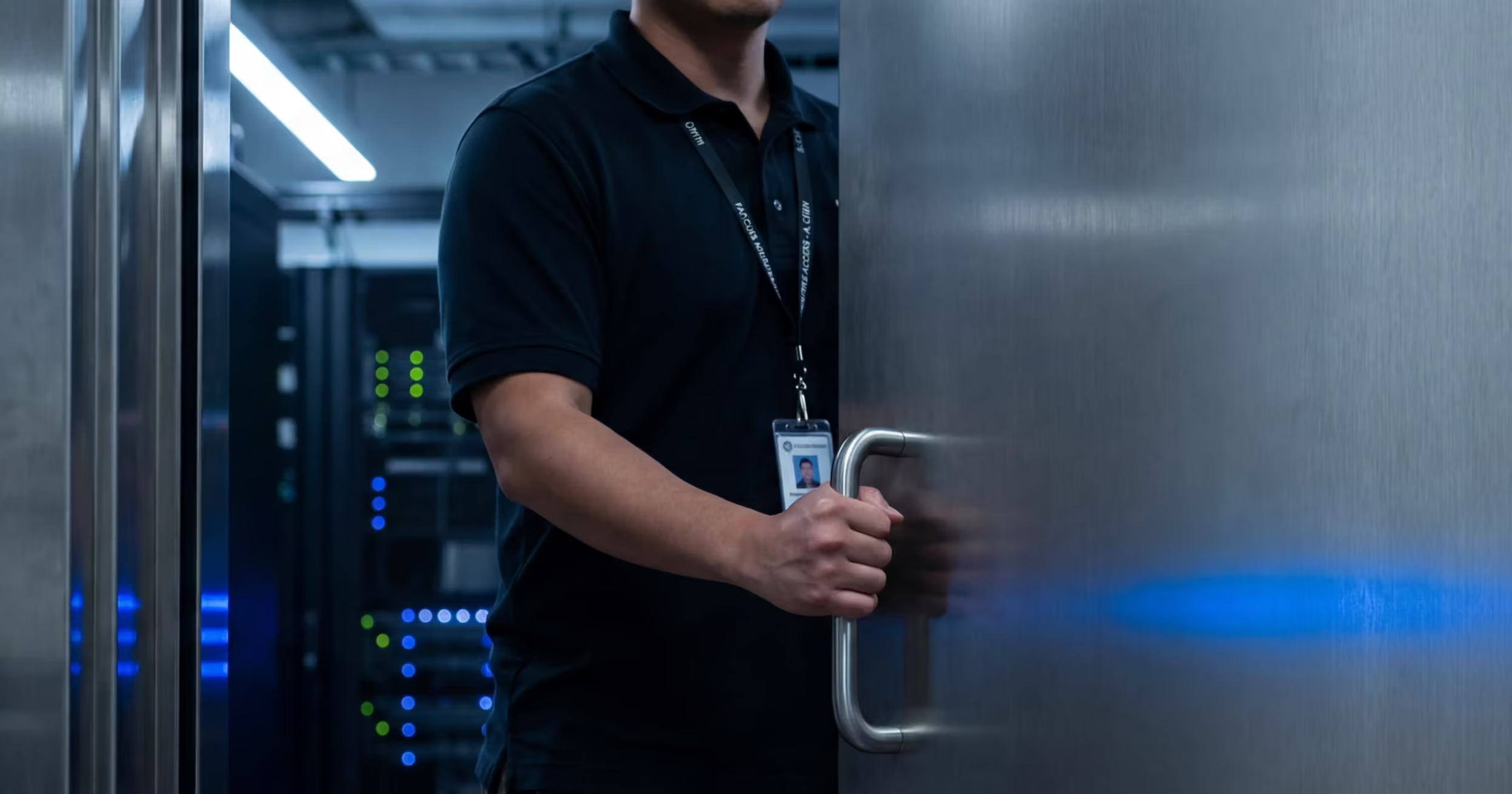
For high-value research spaces and data rooms, a biometric mantrap enforces one verified person per cycle with 2FA at both doors, protecting the university’s most sensitive assets.
Benefits
Why higher education teams choose Alcatraz
Safety where students live
Verified entry and real-time tailgating detection with video make residence halls personal-access spaces. Borrowed cards and held doors stop being the invisible gap in campus safety, and campus police get events with evidence.
Churn without chaos
Semester turnover becomes software administration: enroll at orientation, adjust roles as statuses change, revoke at separation. The card office stops chasing plastic across a population that reinvents itself every year.
Runs on the campus ACS
Rock readers integrate via Wiegand or OSDP with the access control platforms universities already operate, including Genetec and LenelS2. Pilot one residence hall or one lab building, then scale across campus on the same panels.
Proof for campus decision makers


National-title university modernizes athletic facility access
An NCAA Division I university eliminated ID cards by deploying Alcatraz for credential-free, facial authentication. Cloud-based deployment enabled rapid rollout across athletic facilities, delivering faster and more secure access for athletes, coaches, and high-profile staff.
Leading research university enhances security and user experience
A large public research university deployed Alcatraz across labs, athletics, and administrative areas. The touchless solution improved user experience, reduced admin burden, and delivered zero-trust security while replacing legacy biometric systems campus-wide.
Prestigious science and technology university strengthens data center security
A top technology university adopted Alcatraz at mission-critical data center entry points. With enhanced 2FA, mobile self-enrollment, and tailgating detection, the cloud-managed deployment provided scalable, integrated protection for sensitive research environments.
Public university streamlines athletics entry for athletes and staff
A major public university deployed Alcatraz Rock for touchless entry at its athletic facilities and natatorium. The solution replaced failing legacy biometric readers, ensuring seamless access for athletes, staff, and event personnel during high-traffic times.
Open campus, protected spaces
Universities should not have to choose between the openness that defines them and the safety students and parents expect. Alcatraz secures the spaces that matter, dorms, labs, athletics, health centers, with opt-in facial authentication on the access control system the campus already runs. Pilot one building this semester and let the results make the case.
FAQ
How does facial authentication improve residence hall security on a university campus?
It makes dorm entry personal: the door opens for the verified, enrolled resident, so borrowed and lost cards no longer admit strangers. Tailgating detection flags anyone following a resident through in real time, with video for campus safety, covering the held-door gap card systems miss.
Is facial authentication on campus opt-in for students?
Yes, always. Students choose to enroll, processing happens on the edge device, and biometric data exists only as encrypted, non-reconstitutable templates. No photos or videos of faces are stored, and students who prefer not to enroll continue on the campus’s existing credential options.
What happens when a student loses their campus ID card?
With Alcatraz, nothing stops working, because the face is the credential at enrolled doors. Lost-ID lockouts and replacement queues, the top campus help desk ticket, disappear for facial authentication doors, and the lost card no longer opens a residence hall for whoever finds it.
Can campus access control from Alcatraz handle semester turnover?
Yes. Enrollment takes minutes at orientation through Rock Cortex, roles update as student status changes, and access ends at separation with one action. Turnover becomes software administration across tens of thousands of students instead of a physical credential recovery project every term.
Does Alcatraz work with the access control system a university already has?
Yes. Rock readers sit in line via Wiegand or OSDP between the reader position and the panel, integrating with campus platforms such as Genetec and LenelS2. Universities pilot one building and expand on existing panels, with no rip-and-replace of campus infrastructure.