


Multi-factor authentication at the door: badge plus face
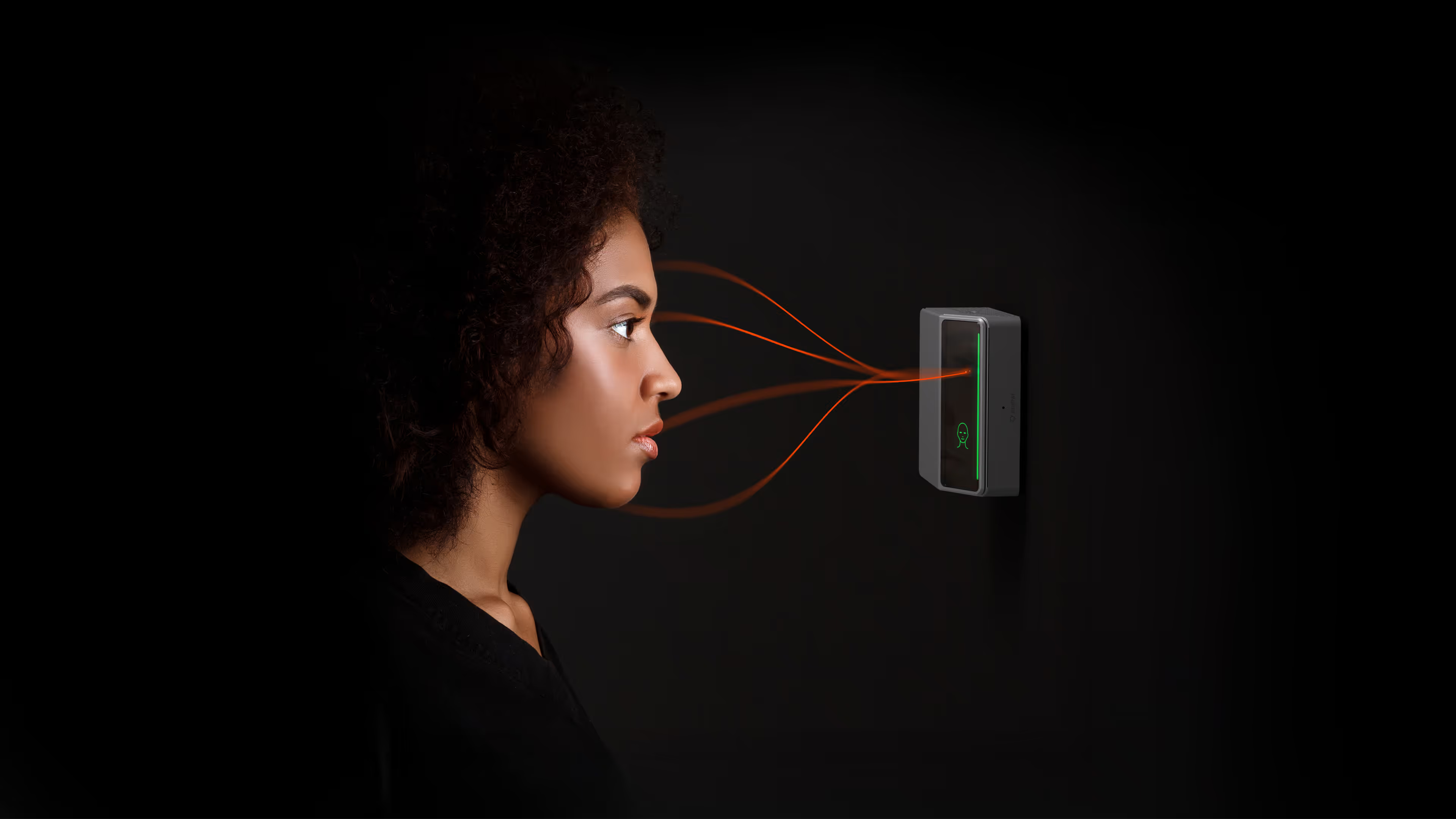
Multi-factor authentication for physical access from Alcatraz pairs your existing badge with facial authentication, so entry requires something you have and something you are. Both factors verify in under a second, 3D liveness blocks spoofing, and all biometric processing stays on the edge device, integrated with your access control system via Wiegand or OSDP.
The door is the last single-factor system in the building
Your network team retired single-factor authentication years ago. No password opens anything sensitive without a second proof. Yet the doors in front of those same systems still open for one factor, possession of a card, and possession is the weakest proof there is.
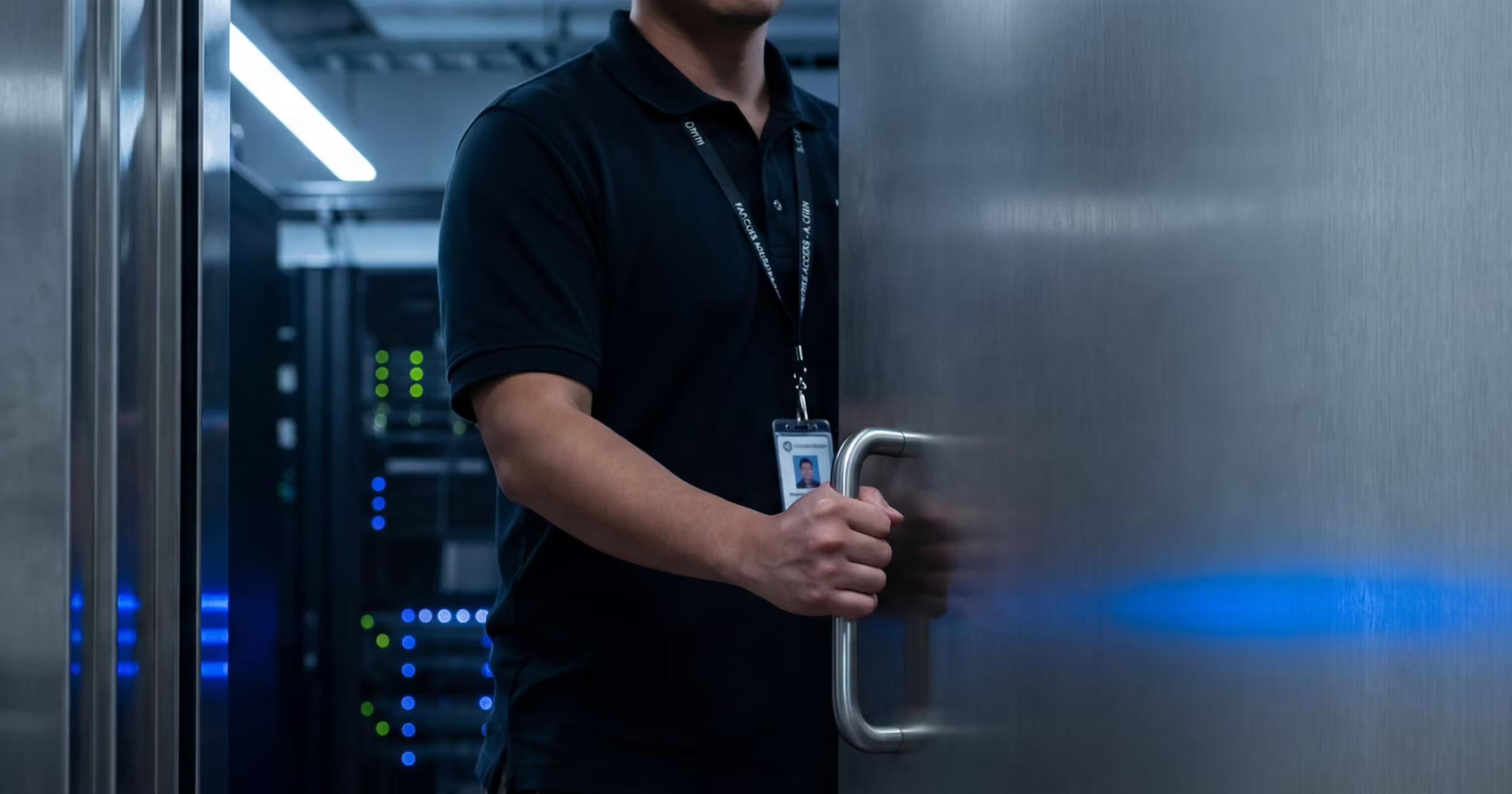
A badge in the wrong hands defeats the door completely. It can be borrowed at shift change, cloned in a coffee shop, or lifted from a gym bag, and the log will record a clean, authorized entry either way. Every insider-threat program and every physical security audit eventually lands on this gap.
Alcatraz closes it with the same logic the network uses. Badge plus face at the door is true multi-factor: the credential your organization already issued, plus the verified, physically present person it was issued to.
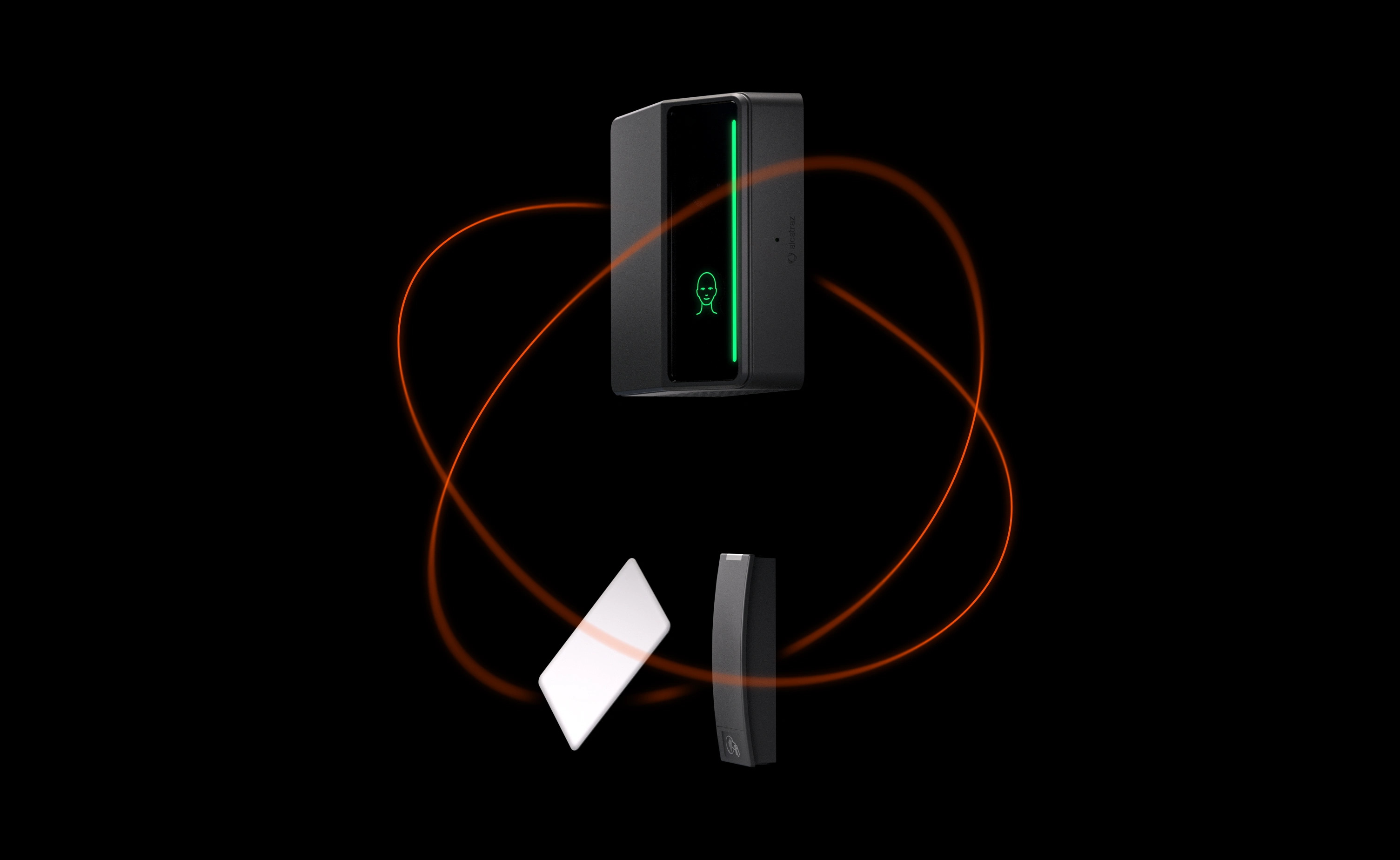
How badge plus face 2FA works
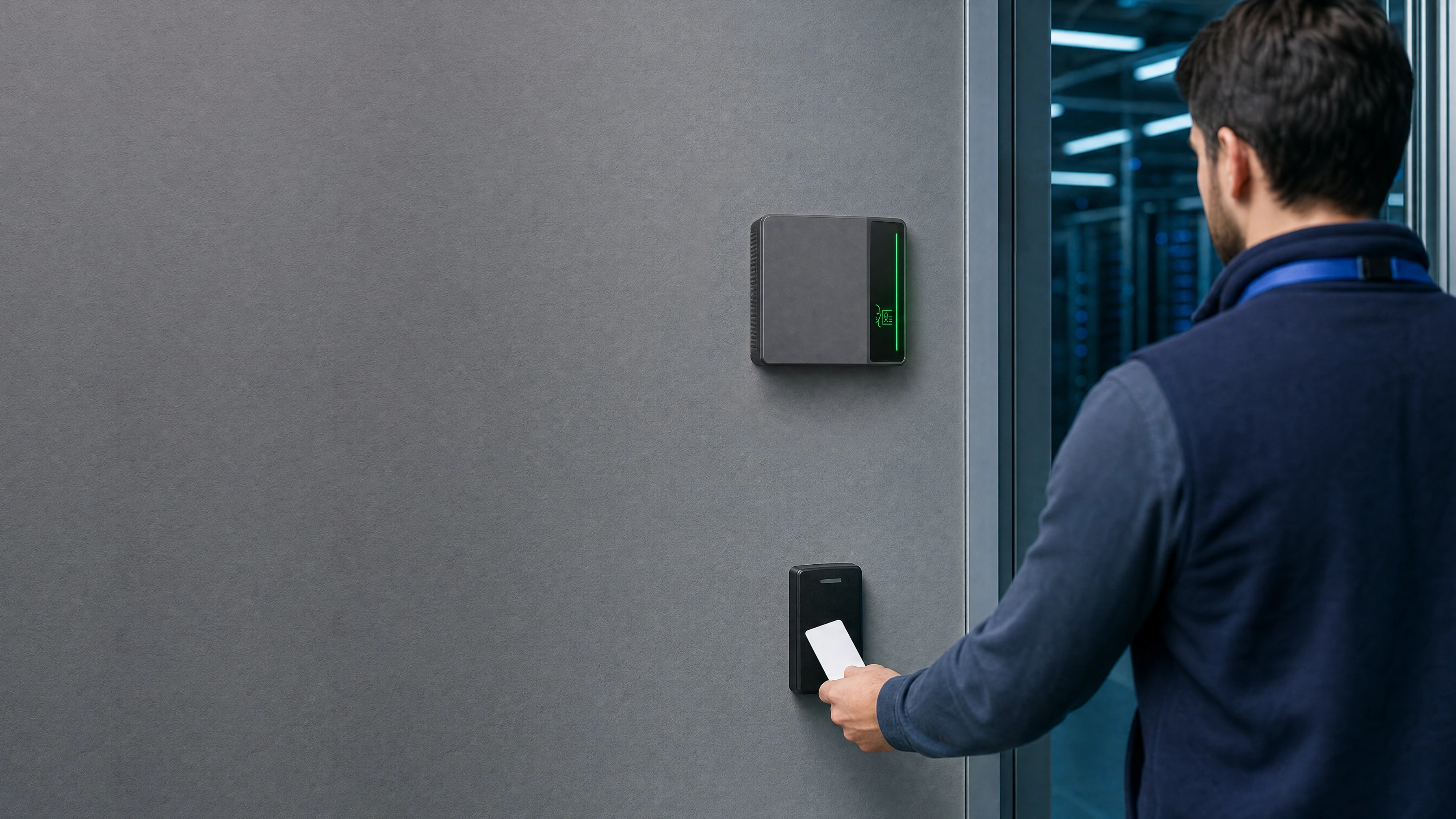
The person presents their existing badge and Rock X verifies their face, both in under a second, hands-free. Only when the credential and the verified person match does the reader pass the credential to your existing panel via Wiegand or OSDP and release the door. Nothing about your badge population, issuance process, or access policy changes.
3D liveness detection makes the second factor mean something. Photos, screens, and masks fail at the reader, so a completed 2FA entry proves a physically present, enrolled person carried their own credential. 2FA is enabled per door in Rock Cortex, so you harden exactly the doors your policy designates while everyday doors can run 1FA, face only, for pure speed. Every entry lands as an immutable record tied to a verified person.
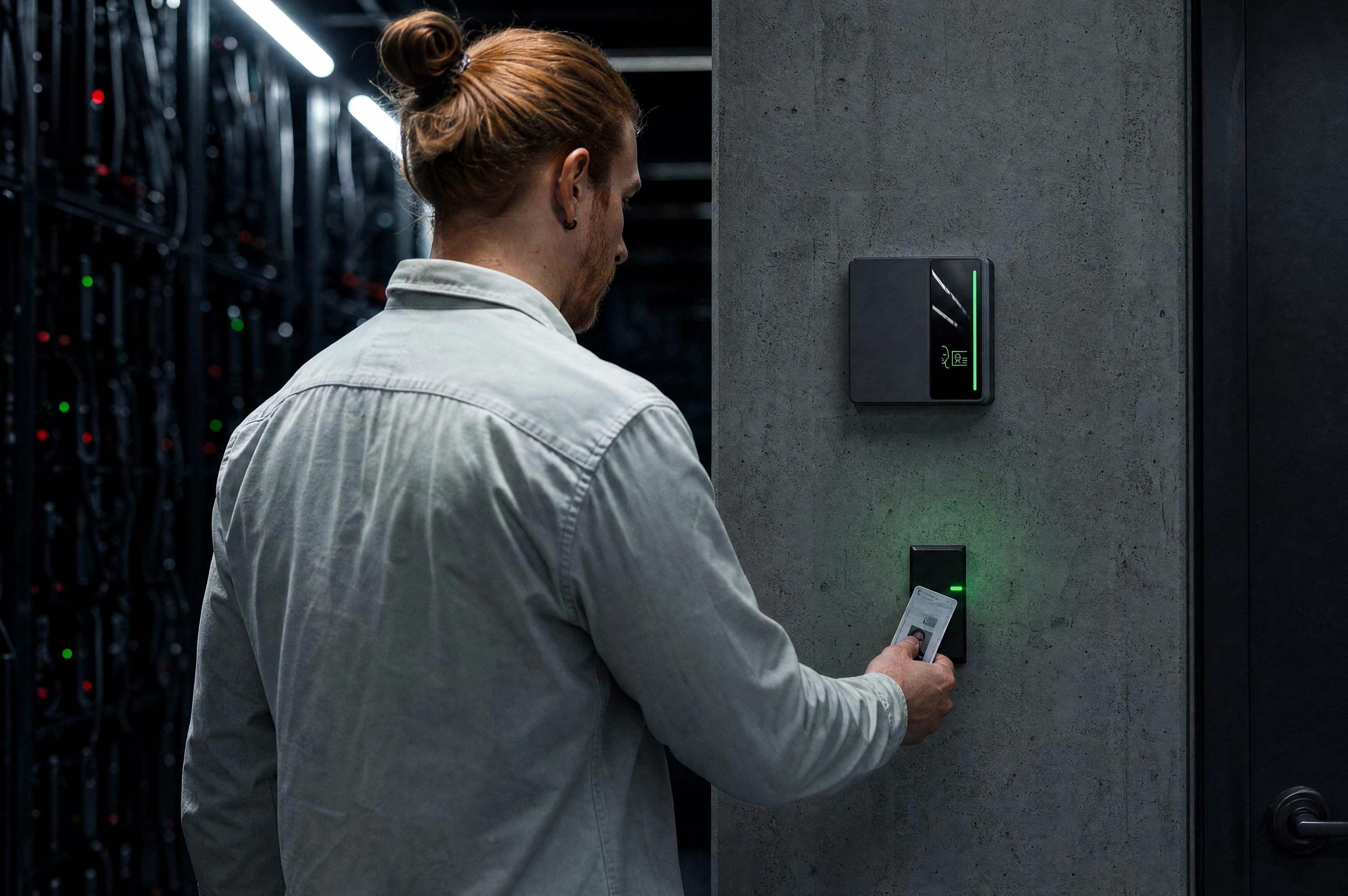
Why security teams choose Alcatraz for multi-factor authentication
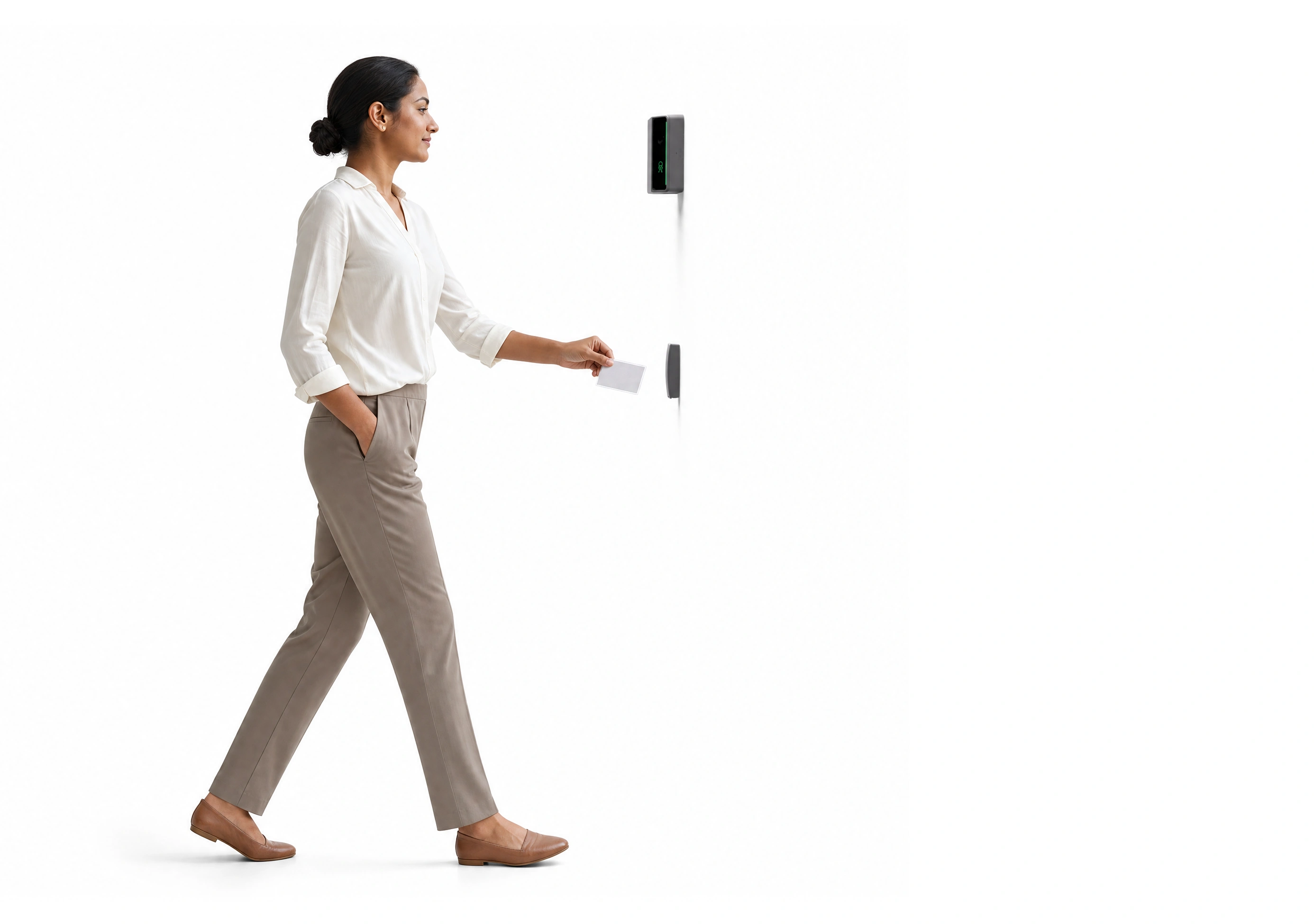
MFA your network team would recognize
Physical entry finally matches the zero-trust standard applied to every system behind the door. Possession alone opens nothing: the badge must arrive with the verified person it belongs to, which retires borrowed, cloned, and stolen credentials as an attack path in one move.
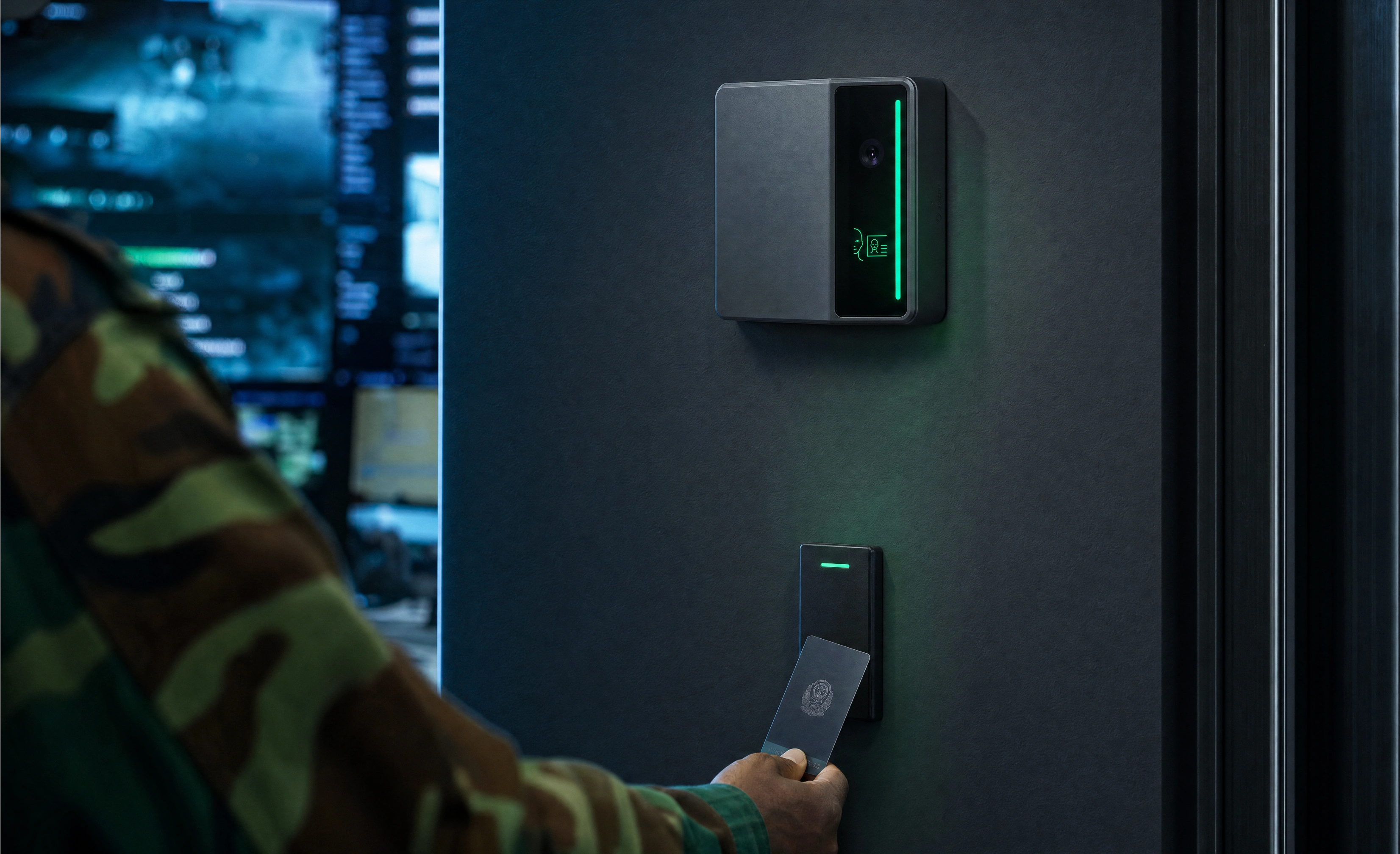
No credential migration
Your existing badges, panel, and access policy stay exactly as they are. Rock X sits in line via Wiegand or OSDP between the reader position and the panel, working with platforms like Genetec, LenelS2, and Software House C•CURE, and 2FA switches on per door in Rock Cortex.
A second factor that cannot be spoofed
The face cannot be lent, copied, or left in a drawer, and 3D liveness detection defeats photos, screens, and masks at the reader. Unlike a PIN, the second factor cannot be shouldered or shared, and unlike a token, it is never forgotten at home.
Proof from the field


Major tech company standardizes on MFA with Alcatraz
A major technology company deployed Alcatraz to deliver face plus badge authentication across global sites. The platform strengthened security with dual-factor authentication while maintaining privacy compliance and smooth employee movement.
AI innovator future-proofs secure access
A leading AI research company standardized on Alcatraz for all new data centers. With support for both 1FA and 2FA, outdoor deployments, and tailgating detection, the company achieved frictionless, compliant access across critical sites.
Medical technology company deploys MFA for high-security areas
A global medtech company implemented Alcatraz with 2FA into restricted zones. The system combined frictionless entry with tailgating detection, ensuring compliance-ready authentication across sensitive research and manufacturing environments.
FAQ
What is multi-factor authentication for physical access control?
It is entry that requires two independent proofs at the door: something you have, your existing badge, and something you are, your face verified by Alcatraz. Possession alone no longer opens the door, which closes the borrowed, cloned, and stolen credential path entirely.
How does badge plus face 2FA work at a door?
The person presents their existing badge and Rock X verifies their face, both in under a second, and the door releases only when the credential matches the verified person it was issued to. The reader passes the credential to your existing panel via Wiegand or OSDP.
Can facial authentication be spoofed with a photo or mask in a 2FA setup?
No. 3D liveness detection defeats photos, screens, and masks at the reader, so the second factor requires a physically present, enrolled person. Combined with the badge as the first factor, a completed entry proves both possession and presence, which is what makes the multi-factor claim true.
Do we need new credentials to add multi-factor authentication at doors?
No. Your existing badges, issuance process, panel, and access policy all stay. Rock X sits in line via Wiegand or OSDP between the reader position and the panel, and 2FA is enabled per door in Rock Cortex, so hardening a door is a configuration change, not a credential migration.
Which doors should get multi-factor authentication first?
The doors your policy and audits already flag: data hall and cage boundaries, vaults and wire rooms, classified and compartmented spaces, pharmacy vaults, and executive floors and data rooms. Start with the small set where possession-only entry is a standing finding, then expand door by door on the same panel.
Give your hardest doors a second factor worth having
Every audit finds the same finding: critical rooms behind single-factor doors. Alcatraz resolves it without a credential project. Your badges stay, your panel stays, and the doors your policy flags get true multi-factor, badge plus face, verified in under a second. Start with the vault, the SCIF, or the data room your last review named, and close the finding for good.